Today in Supreme Court History: February 13, 2016
Reason Magazine • 2/12/2026 – 2/13/2026
Summary
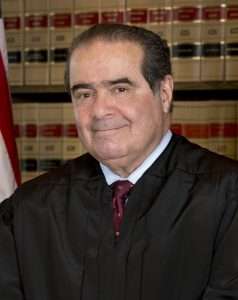
On February 13, 2016, Justice Antonin Scalia died. His passing marked a significant moment in the history of the Supreme Court, as he was a prominent figure known for his originalist views and influence on American jurisprudence. Scalia's death led to a vacancy on the Court, which had implications for various legal and political matters in the United States. The date of Scalia's death is noted in the context of Supreme Court history, highlighting the impact of his tenure and the subsequent changes in the Court's composition. Scalia served as an Associate Justice of the Supreme Court, and his judicial philosophy often sparked debate among legal scholars, practitioners, and the public. His approach to interpreting the Constitution was characterized by a strict adherence to its original meaning, which shaped many of his opinions during his time on the bench. In addition to the remembrance of Scalia's death, the sources also mention February 12, 1965, as the birthday of Justice Brett Kavanaugh. While this detail does not directly relate to Scalia's death, it provides a broader context of significant dates in Supreme Court history. The juxtaposition of these dates reflects the ongoing legacy of Supreme Court justices and their influence on the judiciary and American law.
Advertisement
Cluster Activity
Story Timeline
- 2026-02-12
- 2026-02-13Today in Supreme Court History: February 13, 2016 (current)
Same Story from 3 sources
Breaking Similar stories



Survived Similar stories

Anti-Lindy Similar stories