Today in Supreme Court History: February 14, 1845
Reason Magazine • 2/8/2026 – 2/14/2026
Summary
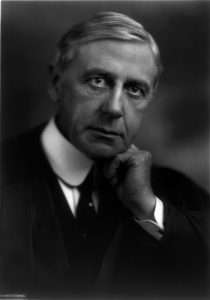
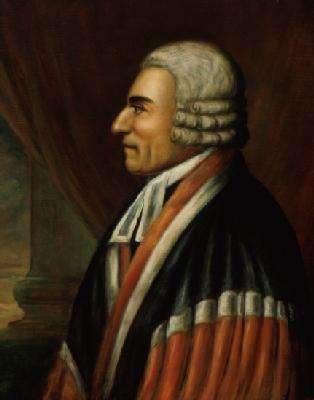
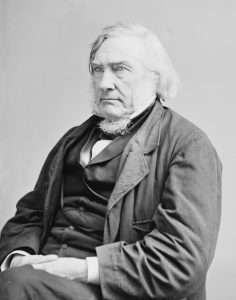
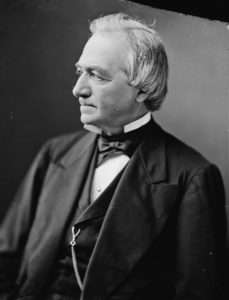
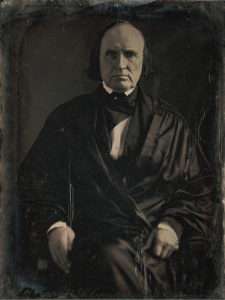
On February 14, 1845, Justice Samuel Nelson took the judicial oath, marking a significant event in Supreme Court history. This event is noted as part of the timeline of appointments and actions within the Supreme Court, which has seen various pivotal moments since its establishment. The oath-taking of Justice Nelson is a reminder of the ongoing evolution of the Court and its justices over the years. In the broader context of Supreme Court history, other notable events include the oath-taking of Justice John Rutledge on February 15, 1790, which was one of the earliest moments in the Court's establishment. This highlights the foundational steps taken in the formation of the judiciary in the United States. Additionally, the case of NLRB v. Jones & Laughlin Steel Corp. was argued on February 9, 1937, showcasing the Court's role in addressing significant labor issues during that period. Further historical milestones include the ratification of the 25th Amendment on February 10, 1967, which addressed presidential succession and disability, and the argument of Marbury v. Madison on February 11, 1803, a landmark case that established the principle of judicial review. The death of Justice Willis Van Devanter on February 8, 1941, also stands as a notable event, reflecting the changes in the Court's composition over time. Each of these events contributes to the rich history of the Supreme Court and its impact on American law and governance.
Advertisement
Cluster Activity
Story Timeline
- 2026-02-08
- 2026-02-09
- 2026-02-10
- 2026-02-11
- 2026-02-14Today in Supreme Court History: February 14, 1845 (current)
- 2026-02-15
- 2026-02-17
- 2026-02-18
Same Story from 11 sources

Breaking Similar stories





Survived Similar stories

Anti-Lindy Similar stories