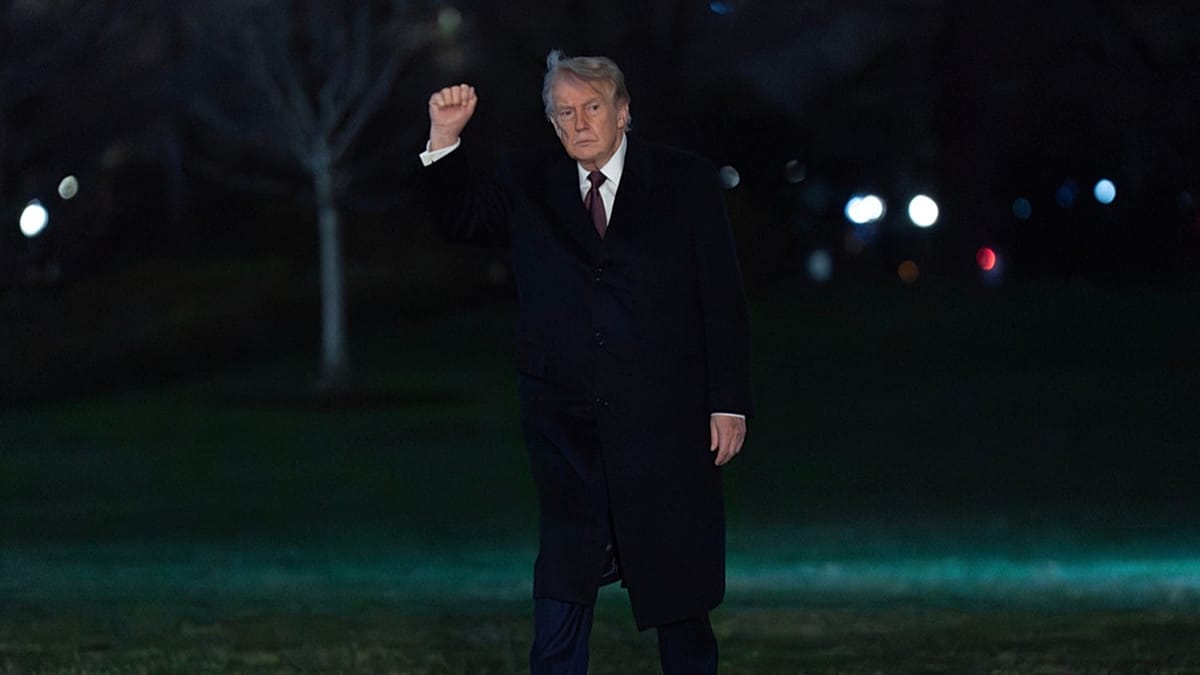
Trump says he is raising tariffs on certain South Korean imports to 25%
Reuters • 1/26/2026
Summary
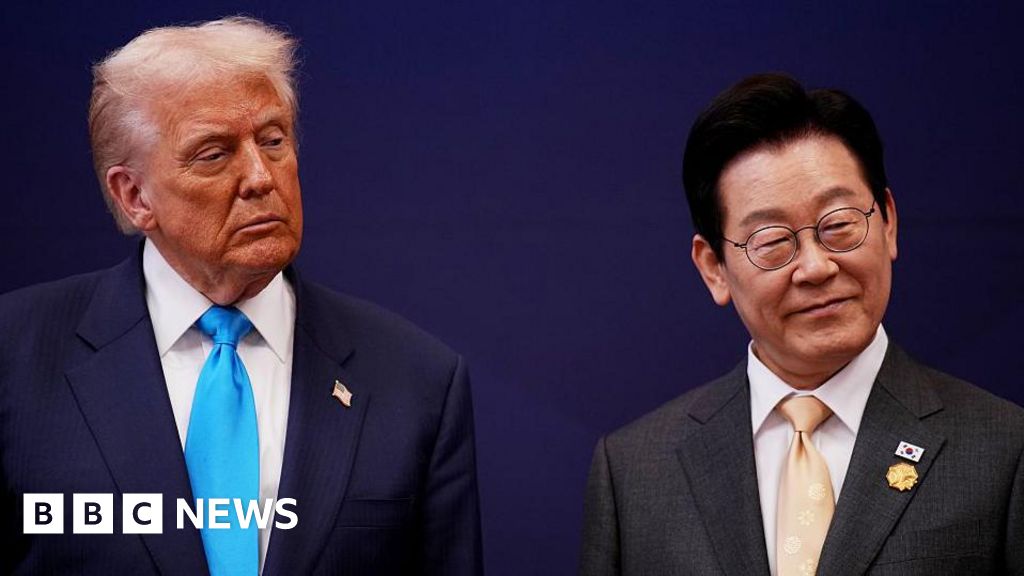
Former President Donald Trump announced a significant increase in tariffs on select imports from South Korea, raising them to 25%. This decision, made public four days ago, reflects ongoing tensions in U.S.-South Korea trade relations and is part of Trump's broader trade policy approach during his administration. This development highlights the enduring complexities of international trade dynamics, particularly between major economies. Tariff adjustments often serve as tools for negotiating trade balances and addressing perceived inequities, a strategy that has historical roots in protectionist policies. The implications of such tariffs extend beyond immediate economic impacts, influencing diplomatic relations and global supply chains. As nations navigate the intricacies of trade agreements, this situation underscores the persistent relevance of trade policy in shaping economic landscapes and international alliances. The long-term effects of these tariffs could resonate in future negotiations and trade discussions, making this a significant moment in the ongoing dialogue about global commerce.
Advertisement
Cluster Activity
Lindy Score Breakdown (V4.2)
Story Timeline
- 2026-01-26Trump says he is raising tariffs on certain South Korean imports to 25% (current)
- 2026-01-27
AnalysisRisk 10
Same Story from 5 sources


Breaking Similar stories





Anti-Lindy Similar stories