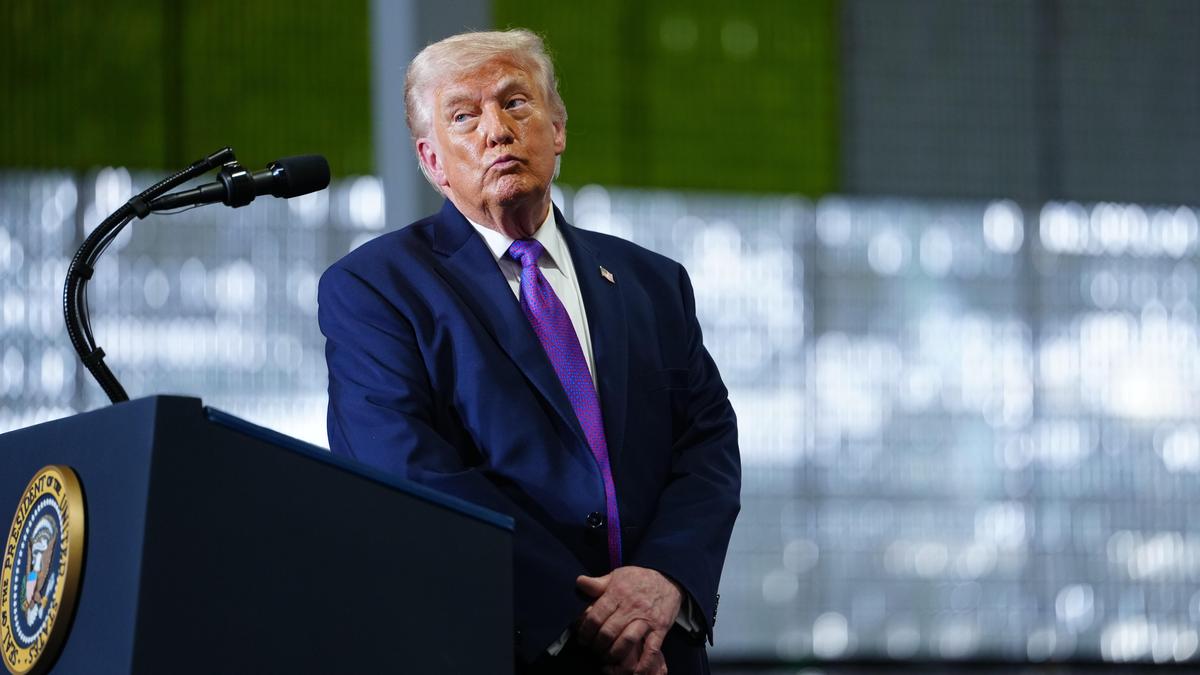
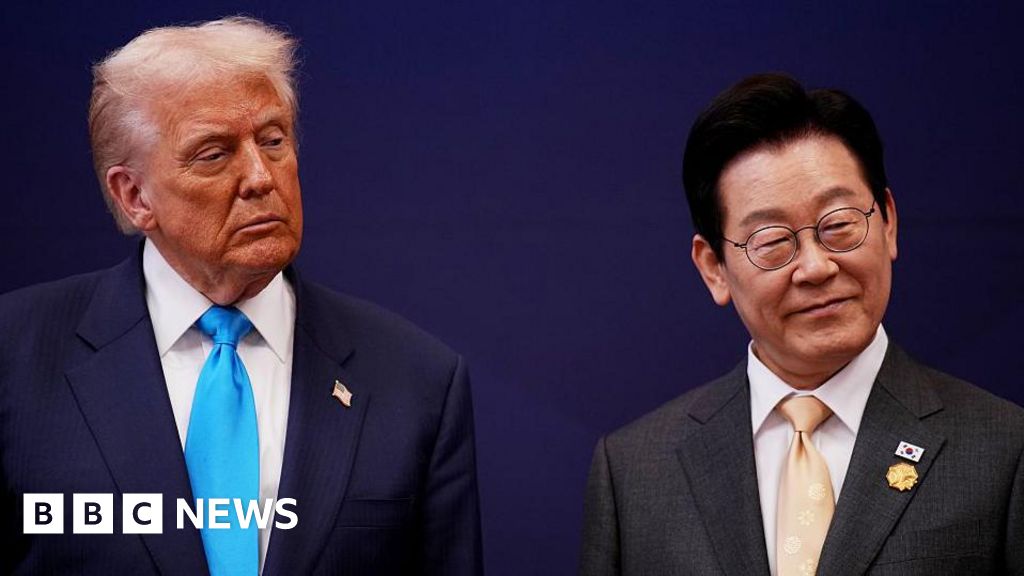
Trump raises US tariffs on South Korea imports to 25%
BBC • 1/26/2026 – 1/28/2026
Summary
President Donald Trump has increased tariffs on imports from South Korea to 25%, citing the country's failure to adhere to a trade agreement established the previous year. This decision, announced three days ago, marks a significant escalation in trade tensions between the United States and South Korea. This development underscores a broader trend of protectionist policies that have emerged in recent years, reflecting a shift in global trade dynamics. The move not only highlights ongoing frustrations with international trade agreements but also signals a potential reevaluation of economic partnerships. Historically, such tariff increases can lead to retaliatory measures, creating a cycle of escalating trade disputes. This situation is emblematic of the challenges faced by nations in balancing domestic economic interests with international obligations, a theme that resonates throughout economic history. As countries navigate these complexities, the implications of such tariffs extend beyond immediate trade relations, influencing global markets and international diplomacy.
Advertisement
Cluster Activity
Lindy Score Breakdown (V4.2)
Story Timeline
- 2026-01-26
- 2026-01-27Trump raises US tariffs on South Korea imports to 25% (current)
AnalysisRisk 10
Same Story from 5 sources


Breaking Similar stories






Anti-Lindy Similar stories