Trump says he will impose new tariffs on South Korea as he criticises delays in trade deal
The Guardian • 1/26/2026 – 1/27/2026

Summary
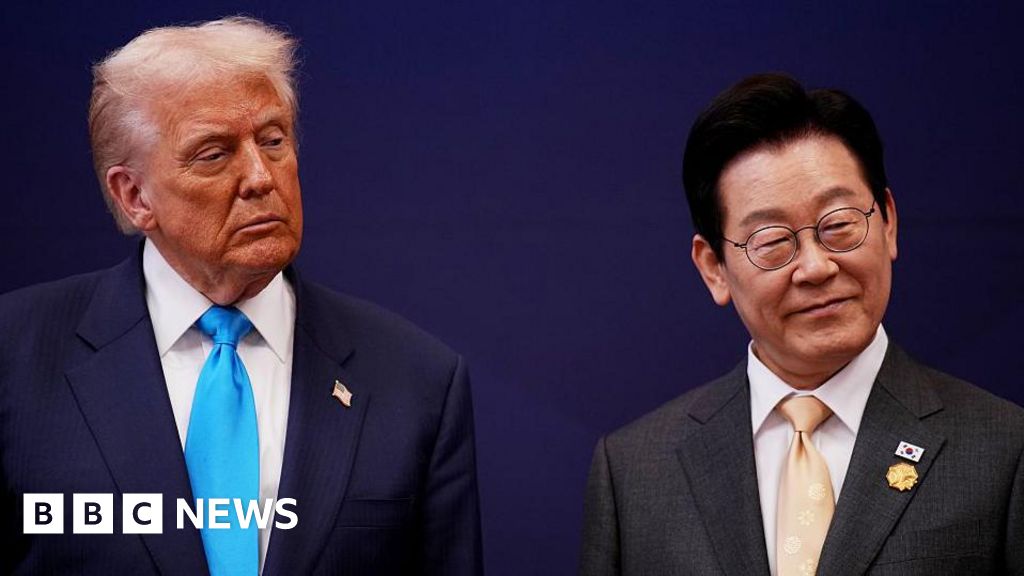
U.S. President Donald Trump announced an increase in tariffs on South Korean imports, specifically targeting automobiles, lumber, and pharmaceuticals. The tariffs will rise from 15% to 25%, a move he attributes to South Korea's failure to fully implement a trade agreement established last year. This announcement, made via social media, led to a decline in stock prices for South Korean automotive companies. This development underscores the ongoing tensions in U.S.-South Korea trade relations, reflecting a broader pattern of protectionist policies that have characterized Trump's administration. The insistence on higher tariffs highlights the complexities of international trade agreements and the challenges nations face in adhering to negotiated terms. Historically, such tariff increases can lead to retaliatory measures, impacting global supply chains and economic stability. This situation is emblematic of the shifting dynamics in global trade, where countries must navigate both domestic pressures and international commitments. The implications of these tariffs extend beyond immediate economic effects, as they may influence future negotiations and alliances in the Asia-Pacific region.
Advertisement
Cluster Activity
Lindy Score Breakdown (V4.2)
Story Timeline
- 2026-01-26
- 2026-01-27Trump says he will impose new tariffs on South Korea as he criticises delays in trade deal (current)
AnalysisRisk 10
Same Story from 5 sources



Breaking Similar stories





Anti-Lindy Similar stories