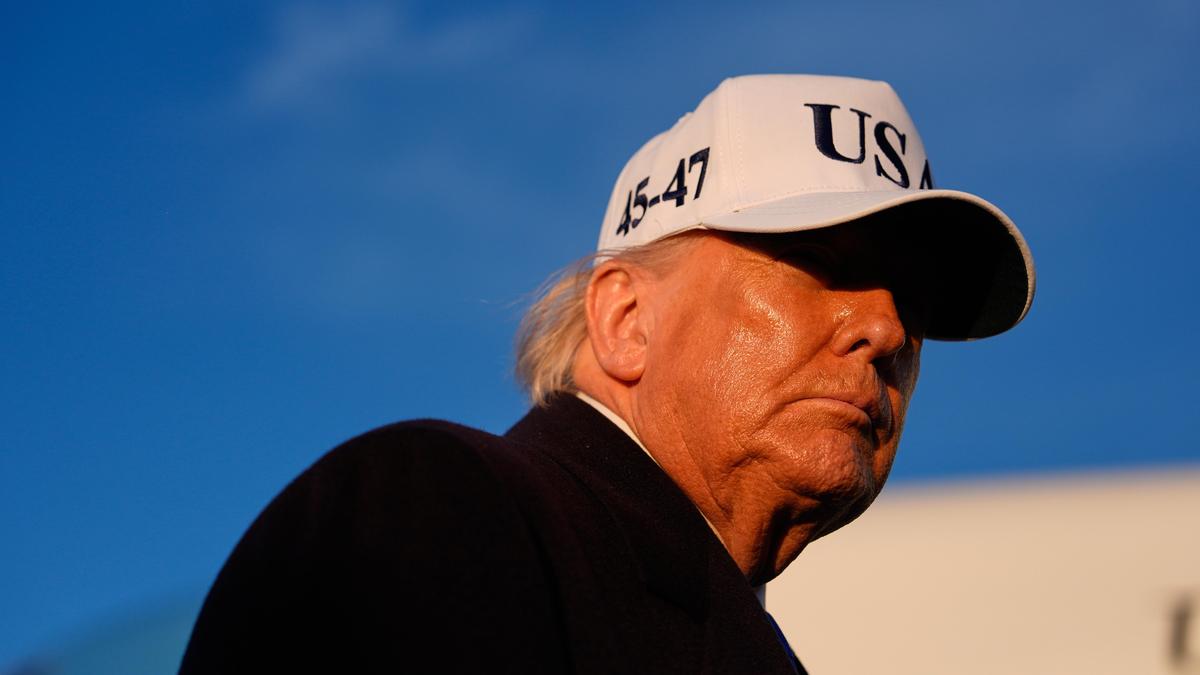
Trump Vows Higher Tariffs for South Korea Months After Trade Deal
The New York Times • 1/26/2026 – 1/30/2026
Summary
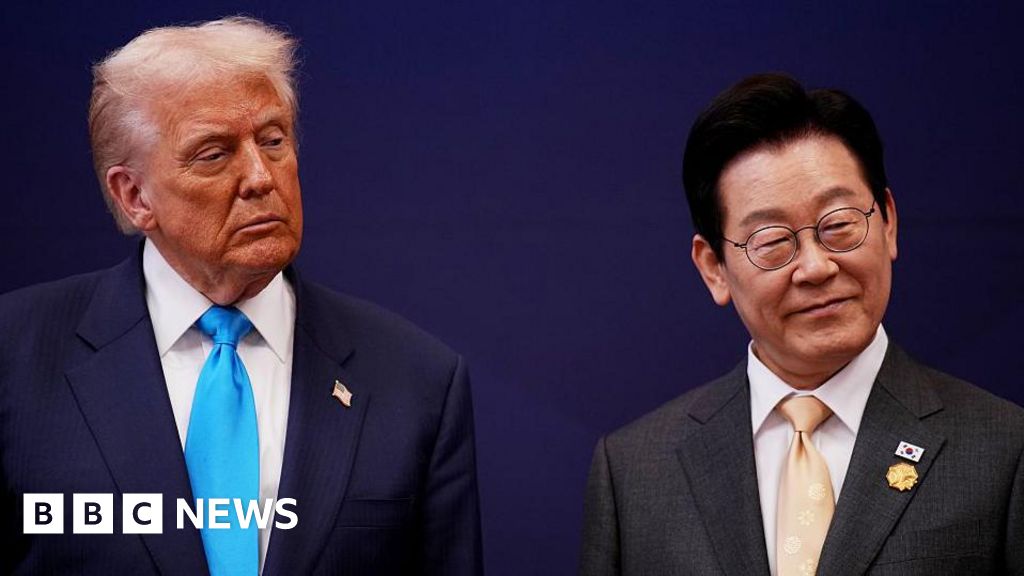
President Donald Trump recently announced plans to impose higher tariffs on South Korea, citing the country's slow progress in fulfilling the terms of a trade agreement established earlier this year. The deal requires South Korea to make significant investments in the U.S. economy, but Trump expressed dissatisfaction with the pace of implementation. This development highlights the ongoing tensions in U.S.-South Korea trade relations, reflecting a broader trend of protectionist policies under the Trump administration. The insistence on higher tariffs underscores a historical pattern where trade agreements are leveraged as tools for economic negotiation, often resulting in strained diplomatic ties. Additionally, this situation illustrates the complexities of international trade dynamics, where compliance and speed of implementation can lead to significant economic repercussions. As global trade relationships continue to evolve, the implications of such tariff threats resonate beyond immediate news cycles, influencing market stability and international cooperation. This case serves as a reminder of the delicate balance nations must maintain in trade negotiations, particularly in an era marked by increasing nationalism and economic competition.
Advertisement
Cluster Activity
Lindy Score Breakdown (V4.2)
Story Timeline
- 2026-01-26
- 2026-01-27Trump Vows Higher Tariffs for South Korea Months After Trade Deal (current)
AnalysisRisk 10
Same Story from 5 sources


Breaking Similar stories






Anti-Lindy Similar stories