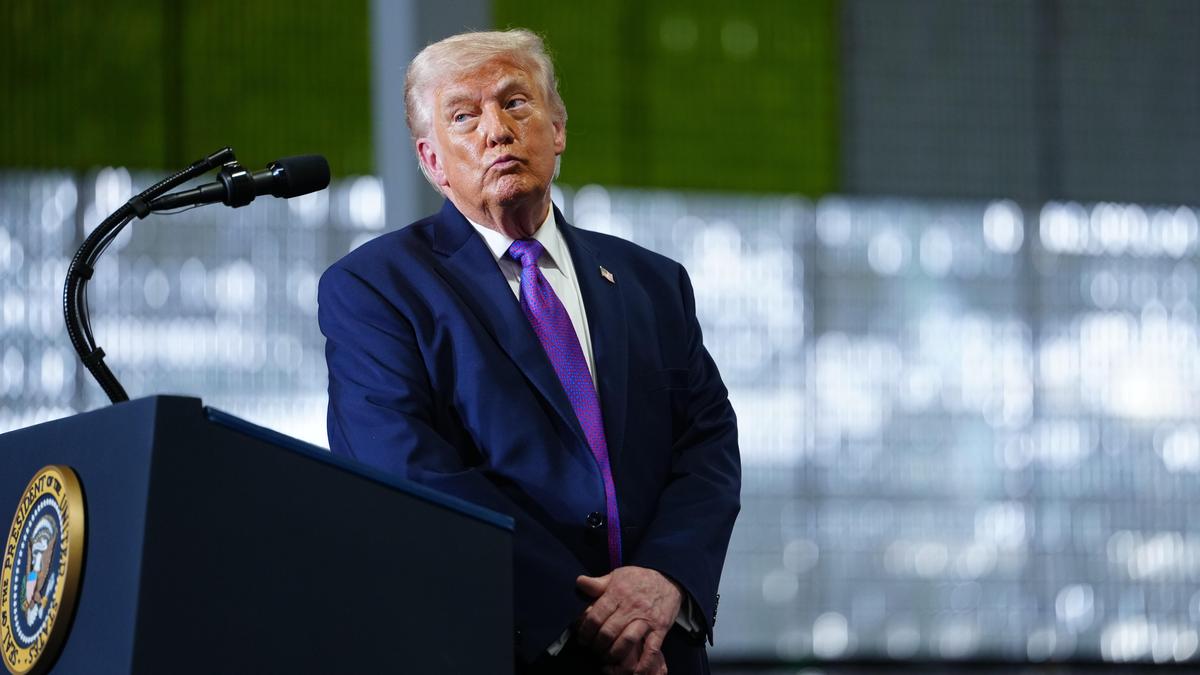
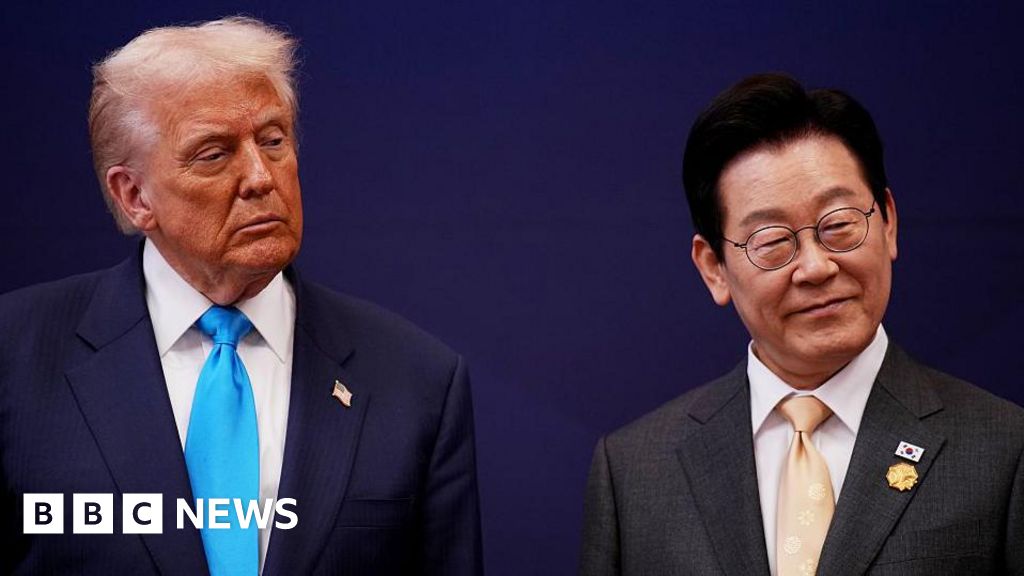
Trump says hiking tariffs on South Korean goods to 25%
Japan Times • 1/26/2026

Summary
Former President Donald Trump has proposed increasing tariffs on South Korean imports to 25%. This announcement follows a deal made in October, which allowed the U.S. to impose tariffs of up to 15% on various South Korean products, including automobiles, car components, and pharmaceuticals. This development is significant as it highlights ongoing tensions in U.S.-South Korea trade relations, reflecting a broader trend of protectionist policies that have gained traction in recent years. The proposed tariff hike underscores the complexities of international trade agreements and the impact of domestic political considerations on foreign policy. Historically, trade disputes have often led to retaliatory measures, which can escalate into broader economic conflicts. The implications of such tariffs extend beyond immediate economic effects, as they may influence global supply chains and international relations. This situation exemplifies the enduring challenges nations face in balancing domestic interests with global economic interdependence, making it a topic of sustained relevance in discussions about trade policy and international diplomacy.
Advertisement
Cluster Activity
Lindy Score Breakdown (V4.2)
Story Timeline
- 2026-01-26Trump says hiking tariffs on South Korean goods to 25% (current)
- 2026-01-27
AnalysisRisk 10
Same Story from 5 sources



Breaking Similar stories





Anti-Lindy Similar stories