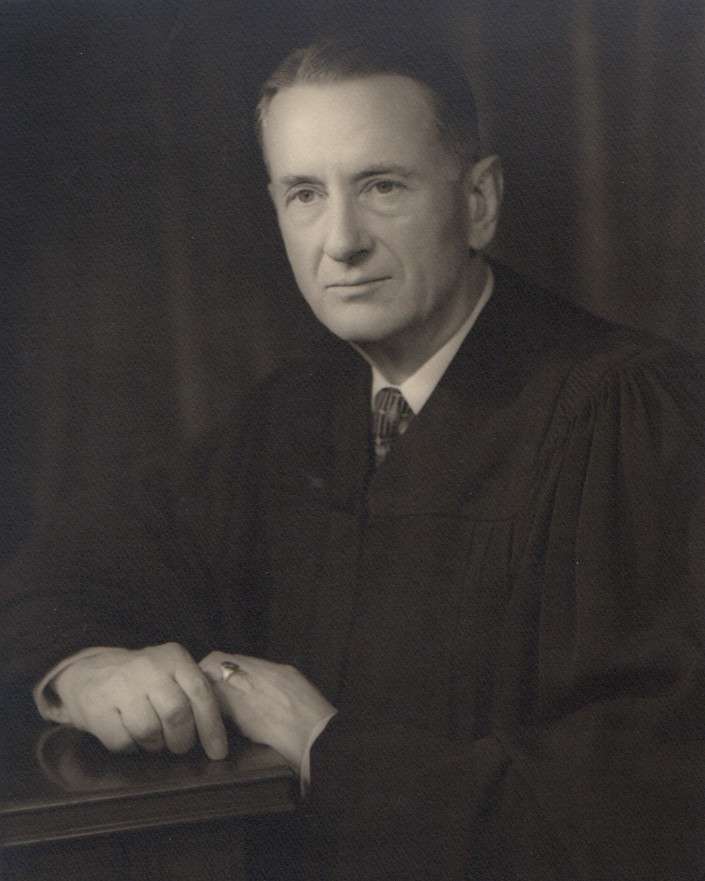
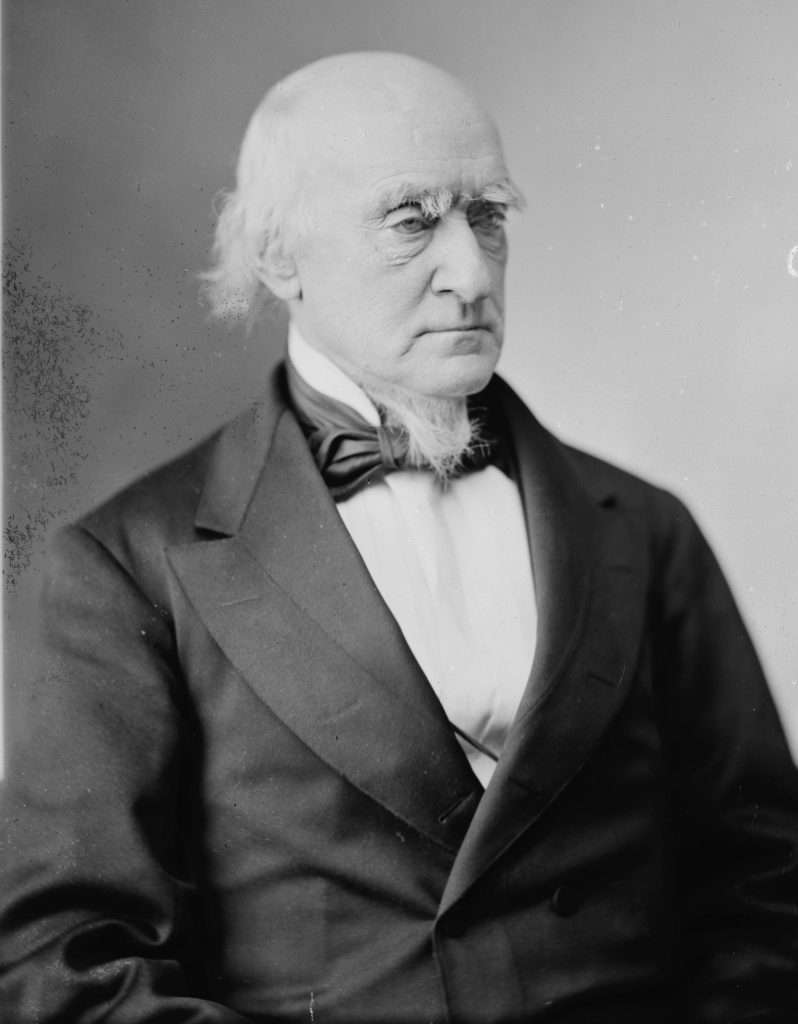
Today in Supreme Court History: March 8, 1841
Reason Magazine • 2/8/2026 – 3/8/2026
Summary
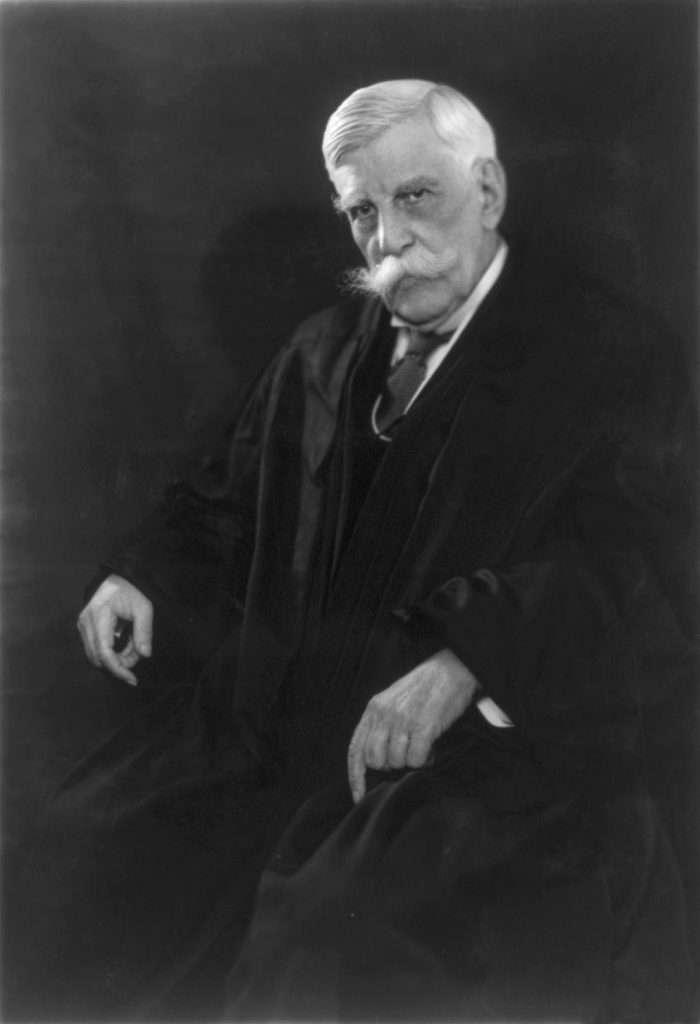
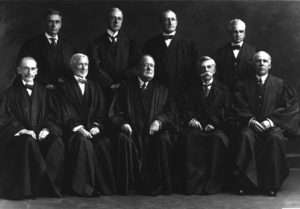
On March 8, 1841, Justice Oliver Wendell Holmes was born, marking a notable event in the history of the Supreme Court (Reason.com). His birth contributes to the timeline of significant occurrences within the Court, which has seen various pivotal moments since its establishment. The Supreme Court's history includes foundational events such as the oath-taking of Justice John Rutledge on February 15, 1790, which is recognized as a key moment in the formation of the judiciary in the United States (Reason Magazine: February 25, 1841). Additionally, the Supreme Court has been shaped by landmark cases that have influenced American law and governance. For example, the case Marbury v. Madison was argued on February 11, 1803, establishing the principle of judicial review, which allows the Court to invalidate laws and executive actions deemed unconstitutional (Reason Magazine: February 25, 1841). Another significant case, NLRB v. Jones & Laughlin Steel Corp., was argued on February 9, 1937, addressing labor issues during a critical period in American history (Reason Magazine: February 9, 1937). The evolution of the Supreme Court is also reflected in the changes in its composition, such as the death of Justice Phillip Barbour on February 25, 1841, and Justice Willis Van Devanter on February 8, 1941 (Reason Magazine: February 25, 1841; February 10, 1967). Furthermore, the ratification of the 25th Amendment on February 10, 1967, which addresses presidential succession and disability, illustrates the evolving legal framework surrounding the presidency and the responsibilities of the executive branch (Reason Magazine: February 10, 1967). Each of these occurrences contributes to the rich narrative of the Supreme Court and underscores its impact on American law and governance.
Advertisement
Cluster Activity
Story Timeline
- 2026-02-08
- 2026-02-09
- 2026-02-10
- 2026-02-11
- 2026-02-14
- 2026-02-15
- 2026-02-17
- 2026-02-18
Same Story from 11 sources

Breaking Similar stories




Survived Similar stories

Anti-Lindy Similar stories