Today in Supreme Court History: February 27, 1901
Reason Magazine • 2/8/2026 – 2/27/2026

Summary
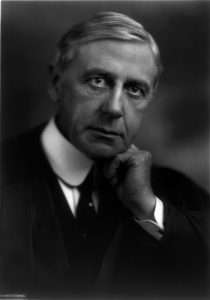
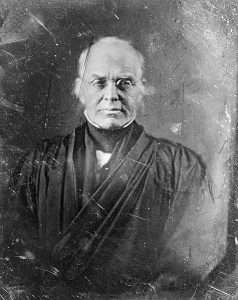
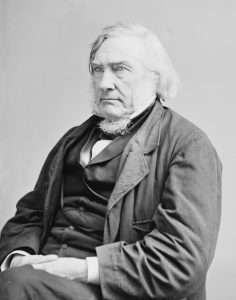
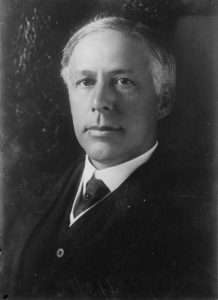
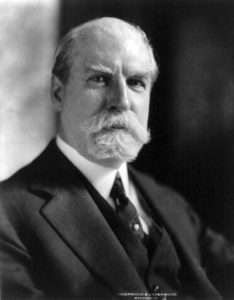
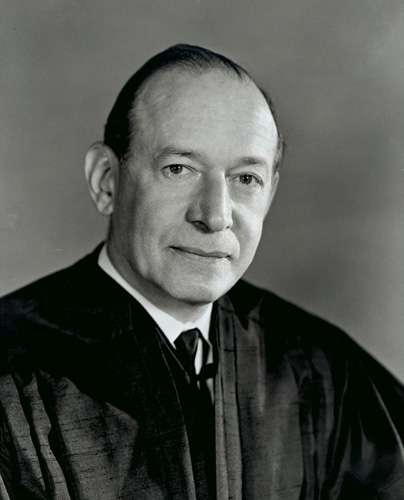
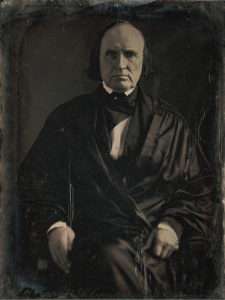
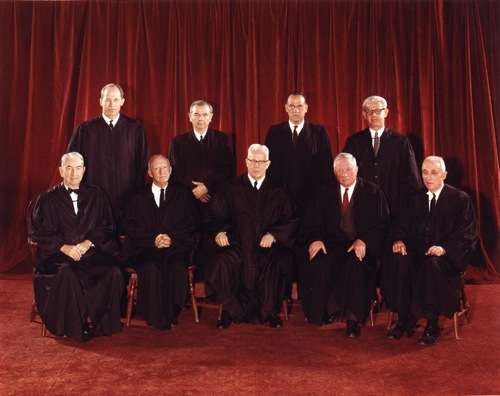
On February 27, 1901, the Supreme Court case Champion v. Ames was argued. This event is part of the broader history of the Supreme Court, which has seen numerous significant cases and milestones that have shaped American law and governance. The Supreme Court's history includes foundational moments such as the argument of Marbury v. Madison on February 11, 1803, which established the principle of judicial review, allowing the Court to invalidate laws and executive actions deemed unconstitutional. This principle is recognized as a cornerstone of the Court's influence within the federal government. Additionally, the Supreme Court has experienced various appointments and changes in its composition over time. For instance, Justice John Rutledge took the oath of office on February 15, 1790, marking one of the earliest moments in the establishment of the judiciary in the United States. Justice Samuel Nelson took the judicial oath on February 14, 1845, further contributing to the evolution of the Court. The oath-taking of Chief Justice Charles Evans Hughes on February 24, 1930, also highlights the ongoing development of the Supreme Court and its justices. The history of the Supreme Court is marked by significant events that underscore its impact on American law and governance. The ratification of the 25th Amendment on February 10, 1967, which addresses presidential succession and disability, reflects the evolving legal framework surrounding the presidency and the responsibilities of the executive branch. Furthermore, the argument of NLRB v. Jones & Laughlin Steel Corp. on February 9, 1937, addressed labor issues during a critical period in American history. Each of these occurrences contributes to the rich narrative of the Supreme Court and its essential role in the judicial system of the United States.
Advertisement
Cluster Activity
Story Timeline
- 2026-02-08
- 2026-02-09
- 2026-02-10
- 2026-02-11
- 2026-02-14
- 2026-02-15
- 2026-02-17
- 2026-02-18
Same Story from 11 sources
Breaking Similar stories


Survived Similar stories

Anti-Lindy Similar stories