Trump Orders New 10 Percent 'Global Tariff' After Supreme Court's Rebuke
Reason Magazine • 2/20/2026
Summary
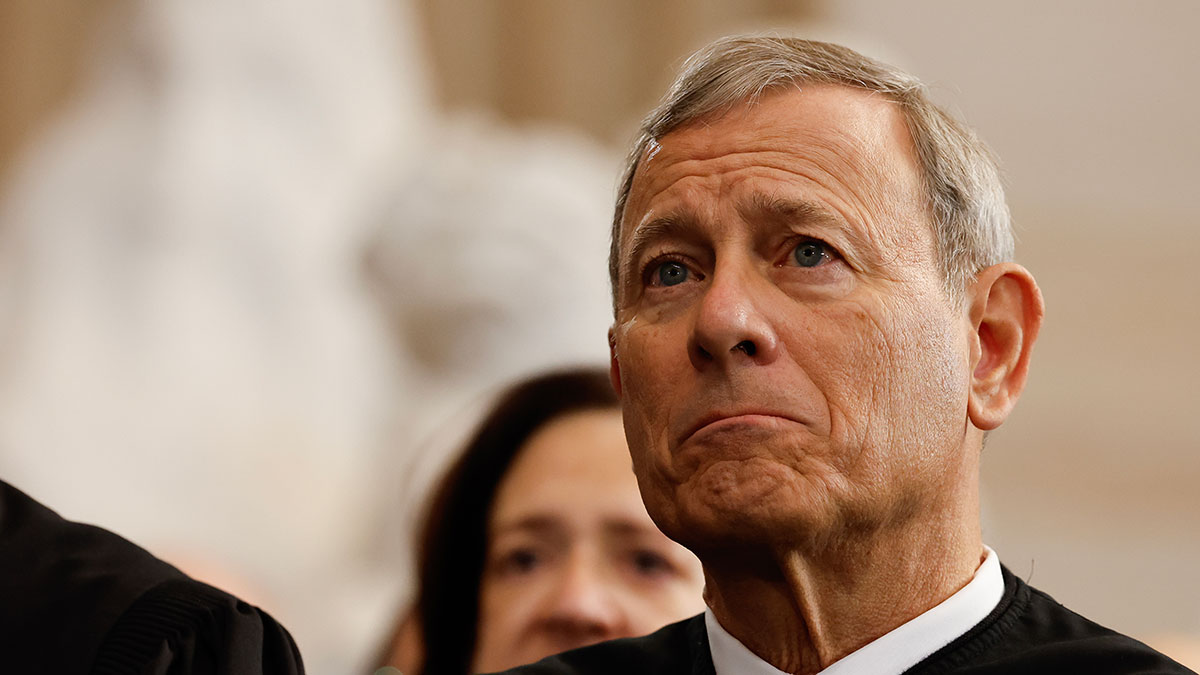
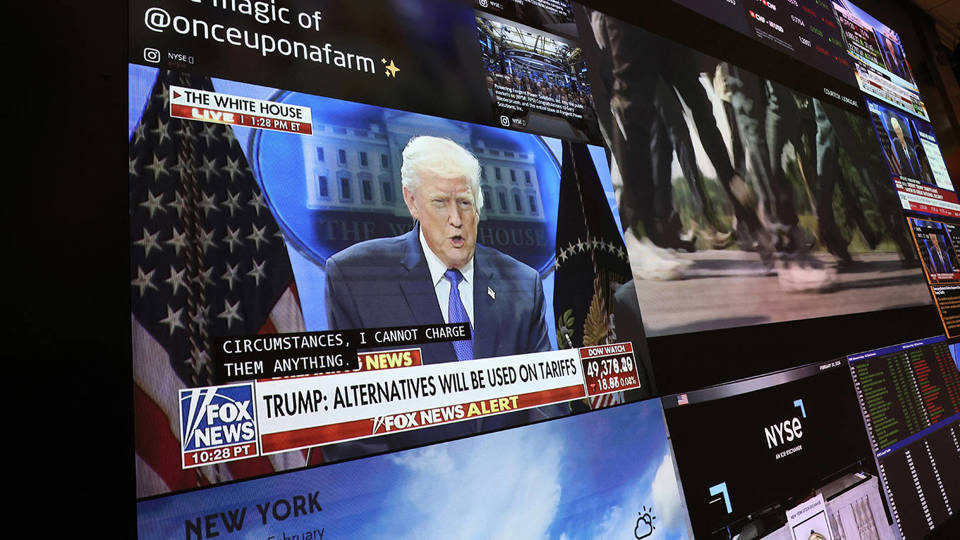
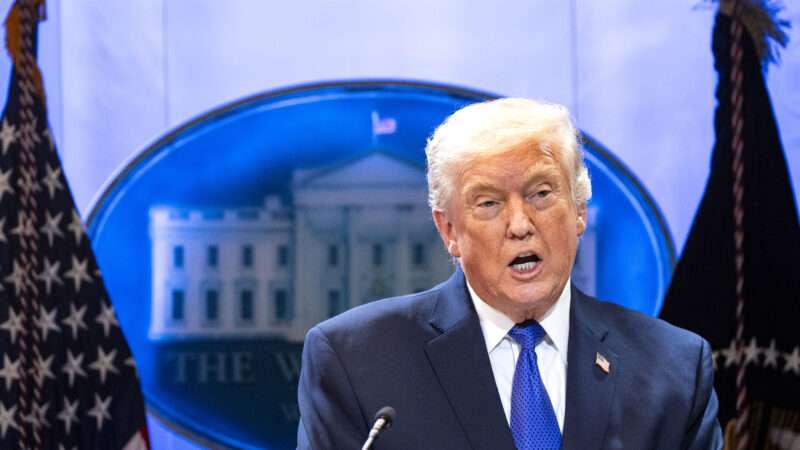
The Supreme Court ruled 6-3 against former President Donald Trump's authority to unilaterally impose tariffs, marking a significant setback for his administration's economic policy. This decision effectively invalidated Trump's tariffs, which were a cornerstone of his trade policy. Chief Justice John Roberts emphasized that "There is no exception to the major questions doctrine for emergency statutes," highlighting the limitations of presidential power regarding tariff imposition. The ruling indicates that Trump lacked justification to impose these tariffs during peacetime, as he had invoked his authority under the International Emergency Economic Powers Act, which the court deemed insufficient for the unilateral actions taken. The ruling has substantial financial implications, potentially placing the U.S. government on the hook for at least $175 billion in tariff refunds. The conservative-dominated court's decision is characterized as a major blow to Trump's second-term agenda and reflects a broader interpretation of the limits of executive power in trade and economic policy. The court's stance may reshape future discussions on trade and the extent of presidential authority in economic matters. In response to the Supreme Court's ruling, Trump ordered a new 10 percent "global tariff," which will be implemented under a 1974 law that grants the president authority to impose tariffs for up to 150 days. This move comes after the court's decision, which has weakened Trump's hand in dealing with other nations, as noted by BBC. The implications of this new tariff and its legality remain to be seen in light of the recent Supreme Court ruling.
Advertisement
Breaking Similar stories







Survived Similar stories

Anti-Lindy Similar stories