A Note on Tariff Refunds
Reason Magazine • 2/20/2026

Summary
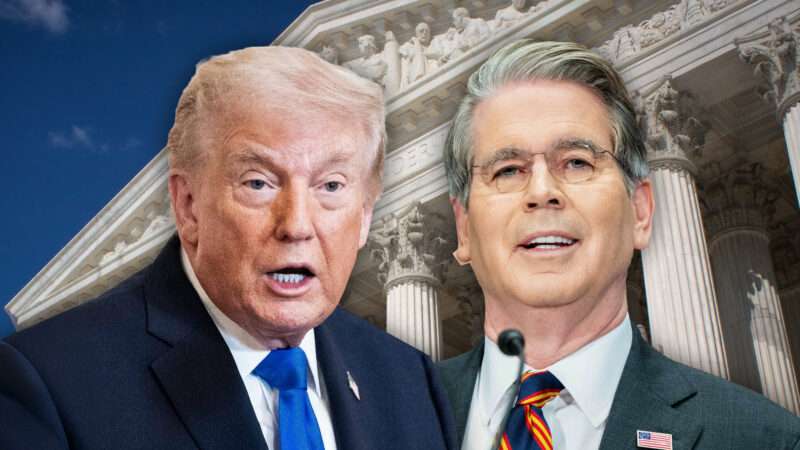
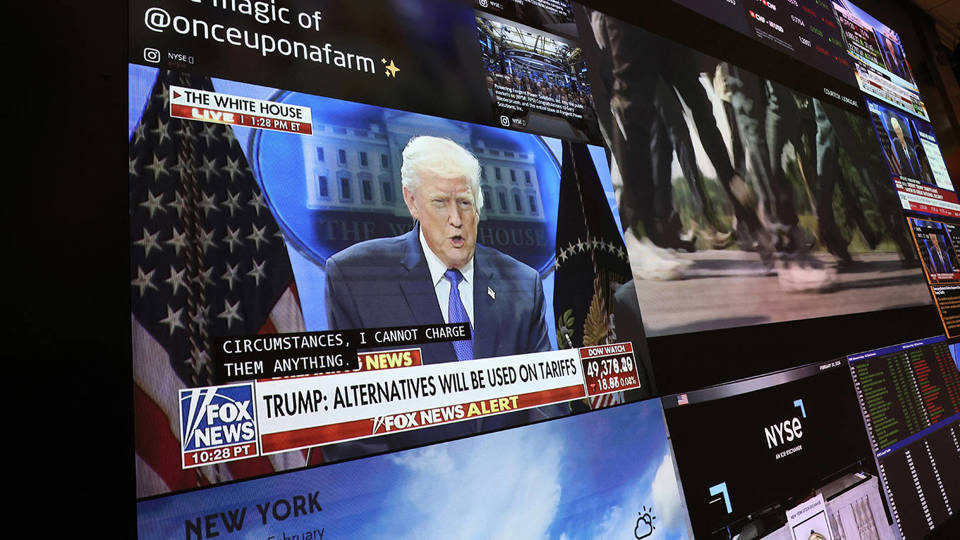
The Supreme Court has struck down tariffs imposed by former President Donald Trump, which were a significant part of his economic agenda. This ruling has been described as a major test of executive branch powers, as it challenges the authority exercised by the Trump administration in implementing these tariffs. The decision has led to widespread reactions, including Trump's own statement expressing disappointment and shame regarding the court's majority ruling. He referred to the outcome as "deeply disappointing" and indicated that he would consider "other alternatives" in response to the ruling (Deadline). As a result of the Supreme Court's decision, businesses that paid tariffs deemed illegally collected are now eligible to seek refunds. This could potentially involve refunds amounting to more than $175 billion, according to estimates from economists (Ars Technica). However, the process for obtaining these refunds may be complicated, as noted in the primary source discussing the implications of the court's ruling. The Supreme Court's decision has significant implications for businesses that were affected by the tariffs, as they now have the opportunity to reclaim funds that were previously collected under the disputed tariff policies. The ruling not only impacts the financial landscape for these businesses but also sets a precedent regarding the limits of executive power in imposing tariffs (Fox News, NPR, Politico).
Advertisement
Cluster Activity
Story Timeline
- 2026-02-20A Note on Tariff Refunds (current)
- 2026-03-15
Same Story from 11 sources



Breaking Similar stories







Survived Similar stories

Anti-Lindy Similar stories