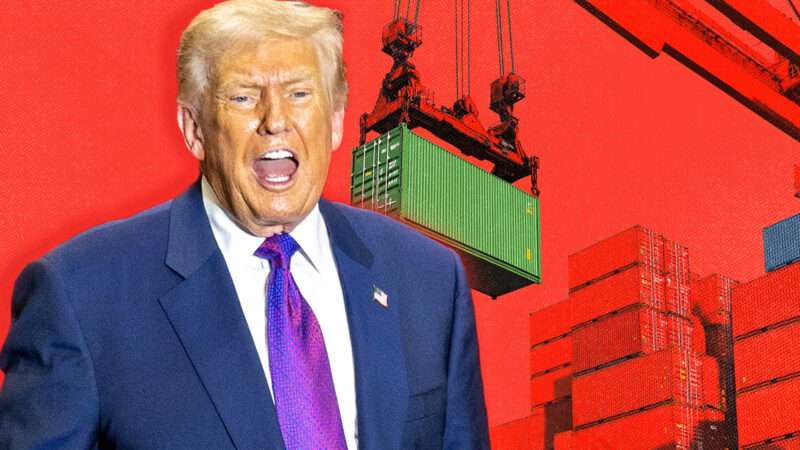
Trump’s Tariff Loss Is the Worst Judicial Defeat in Presidential History
City Journal • 2/24/2026

Summary
Former President Donald Trump's recent tariff loss has been characterized as the most significant judicial defeat in presidential history. This assessment highlights that no other president's agenda has been as thoroughly undermined by the Supreme Court. The historical context provided indicates that previous presidents, including Jefferson, Lincoln, Nixon, and Bush, faced challenges, but none experienced a setback of this magnitude in terms of judicial rulings affecting their policy initiatives. The ruling against Trump's tariffs underscores a broader trend in which the Supreme Court has played a pivotal role in shaping presidential power and authority. The decision reflects the judiciary's capacity to influence economic policy and trade practices, which are typically within the purview of the executive branch. This judicial defeat is notable not only for its immediate implications for Trump's policies but also for its potential long-term effects on the relationship between the presidency and the judiciary. The implications of this ruling extend beyond Trump's administration, as it raises questions about the limits of presidential power in implementing tariffs and other economic measures. The historical comparison to past presidents serves to illustrate the unprecedented nature of this judicial outcome, marking a significant moment in the ongoing dialogue about the balance of power among the branches of government.
Advertisement
Story Timeline
- 2026-02-24Trump’s Tariff Loss Is the Worst Judicial Defeat in Presidential History (current)
Same Story from 2 sources
Breaking Similar stories

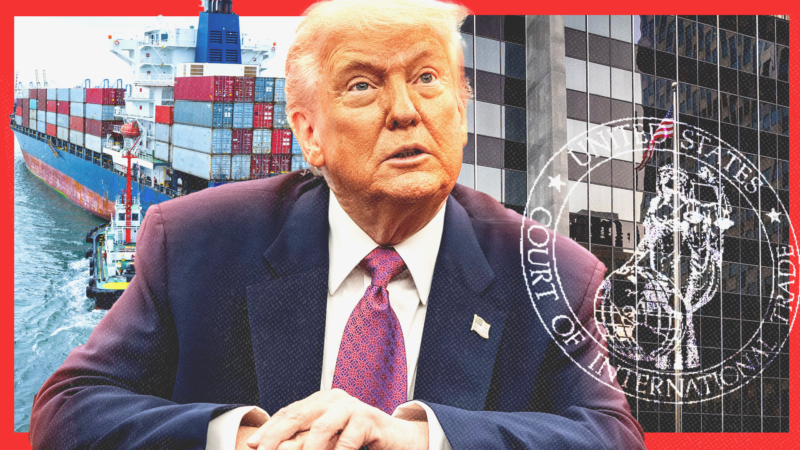



Survived Similar stories

Anti-Lindy Similar stories