The Supreme Court Just Struck Down Trump's 'Emergency' Tariffs
Reason Magazine • 2/20/2026
Summary
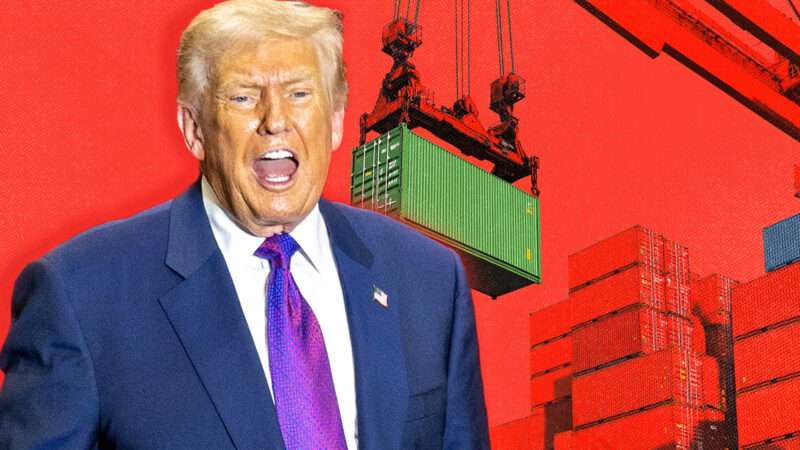
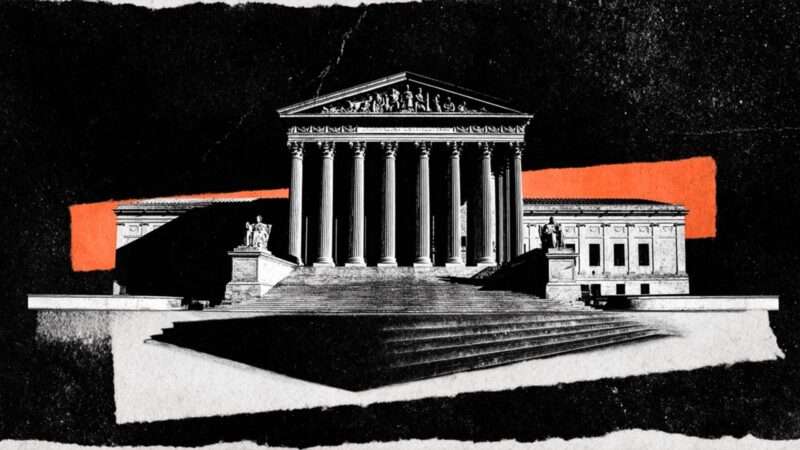
The Supreme Court ruled in a 6-3 decision that former President Donald Trump did not have the authority to unilaterally impose tariffs, marking a significant setback for his administration's economic policy. Chief Justice John Roberts stated, "There is no exception to the major questions doctrine for emergency statutes," emphasizing the court's stance on the limitations of presidential power regarding tariff imposition. This ruling effectively invalidates Trump's tariffs, which were a cornerstone of his trade policy. The decision has substantial financial implications, potentially placing the U.S. government on the hook for at least $175 billion in tariff refunds. The court's ruling indicates that the president lacked the justification to impose these tariffs during peacetime, as he had invoked his authority under the International Emergency Economic Powers Act. This legal framework was deemed insufficient for the unilateral actions taken by Trump. The ruling has been characterized as a rebuff of Trump's central economic agenda, which relied heavily on these tariffs. The conservative-dominated court's decision reflects a broader interpretation of the limits of executive power in matters of trade and economic policy. The implications of this ruling may reshape future discussions on trade and the extent of presidential authority in economic matters.
Advertisement
Story Timeline
- 2026-02-20The Supreme Court Just Struck Down Trump's 'Emergency' Tariffs (current)
Same Story from 2 sources

Breaking Similar stories




Survived Similar stories

Anti-Lindy Similar stories