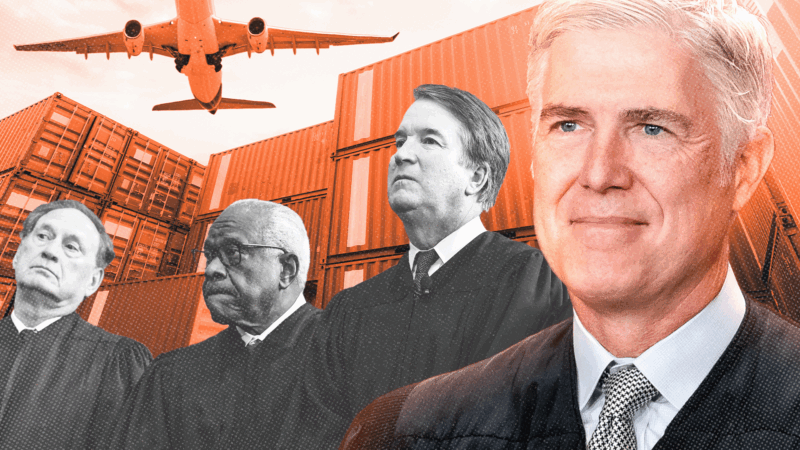
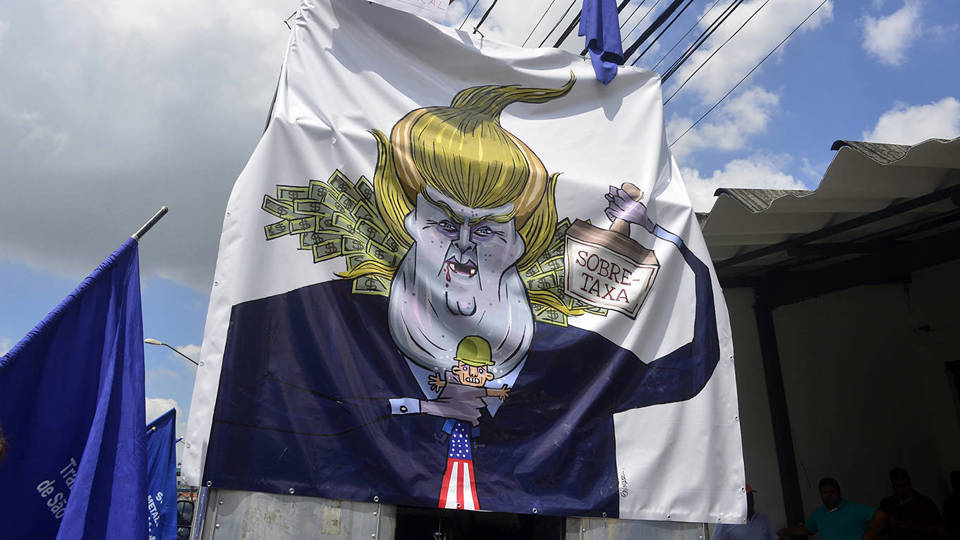
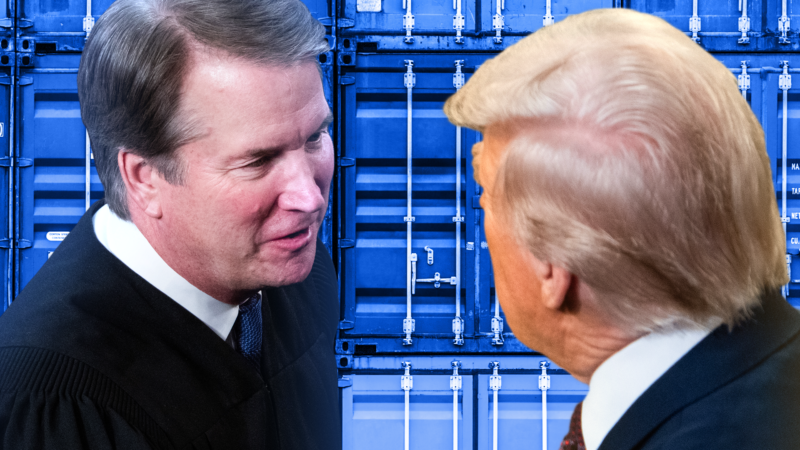
The Roberts Court Rejects Trump's Tariffs
Reason Magazine • 2/22/2026 – 2/23/2026

Summary
The Supreme Court ruled against President Trump's global tariffs in the case of Learning Resources v. Trump, with a 6-3 vote that invalidated the tariffs. This ruling represents a significant legal setback for Trump, who had implemented these tariffs during his presidency. The decision has been interpreted as a clear rejection of the tariff policies that Trump championed, marking a pivotal moment in the ongoing debate over trade policy in the United States. Following the Supreme Court's decision, President Trump held a press conference where he expressed his discontent with the ruling. He criticized the court's decision and reiterated his belief in the necessity of the tariffs for protecting American interests. Trump's response underscored his ongoing commitment to his economic policies, despite the legal challenges they face. His remarks were characterized by his typical rhetoric, maintaining a defiant stance regarding trade protectionism. The Wall Street Journal Editorial Board commented on Trump's press conference, noting the implications of the ruling for Trump's legacy and future political endeavors. They suggested that the invalidation of the tariffs could influence public perception of his economic strategies. The aftermath of the Supreme Court's decision continues to unfold as Trump and his supporters respond to the legal and political ramifications of the ruling. Overall, the Supreme Court's ruling against Trump's tariffs highlights the contentious nature of trade policy in the U.S. and the challenges faced by Trump's administration in implementing its economic agenda. The ruling and Trump's subsequent reactions reflect the ongoing debate surrounding trade protectionism and its impact on American interests.
Advertisement
Cluster Activity
Story Timeline
- 2026-02-22
- 2026-02-23The Roberts Court Rejects Trump's Tariffs (current)
- 2026-02-24
Same Story from 4 sources
Breaking Similar stories



Survived Similar stories

Anti-Lindy Similar stories