The Economics of the Supreme Court’s Tariff Ruling
Project Syndicate • 2/20/2026 – 2/24/2026
Summary
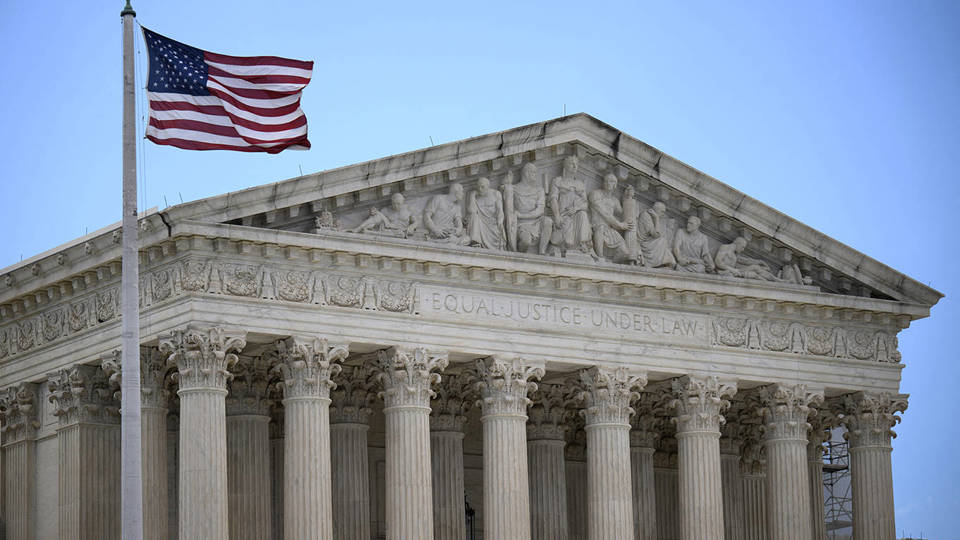
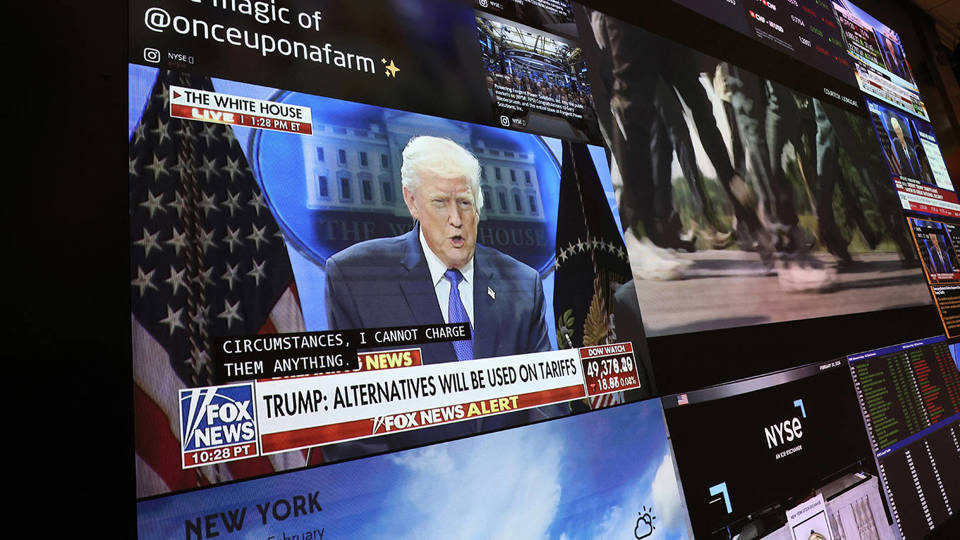
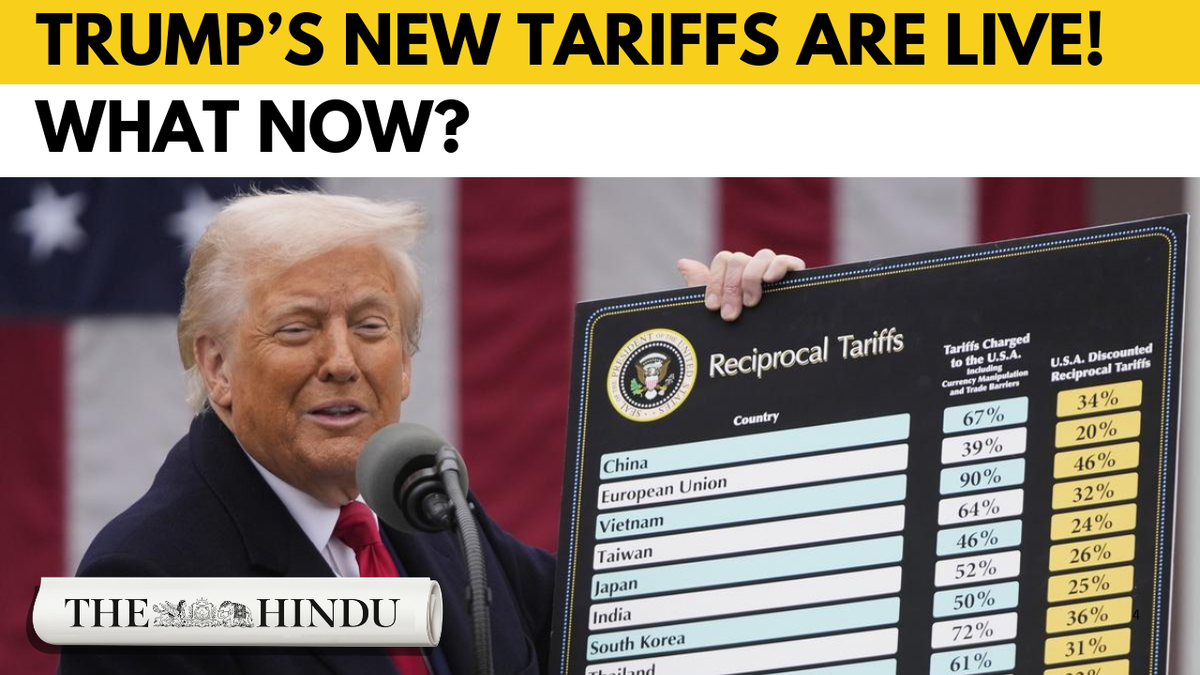
The US Supreme Court has ruled that President Donald Trump’s tariffs are unconstitutional, which has significant implications for US trade policy. This ruling positions the rule of law as a critical factor in determining economic policy, countering what the primary source describes as the potential for policies to be influenced by personal whims. The decision has prompted various reactions from lawmakers and has created a complex landscape regarding future tariff regulations. In light of the Supreme Court's ruling, the European Union has postponed a vote on a trade deal with the United States, indicating that the tariff upheaval has created uncertainty in transatlantic trade relations (Reuters). Additionally, the ruling has left the status of US tariff rates uncertain, reminiscent of earlier economic conditions, as the specifics of which goods will be taxed and at what rates remain unclear (Japan Times). Taiwan has also reacted swiftly to the Supreme Court's decision, seeking clarification from Washington regarding the implications for its trade outlook. Following the ruling, President Trump invoked Section 122 of the US Trade Act of 1974 to impose a 15 percent global tariff, further complicating the situation for Taiwan and raising questions about existing tariff exemptions under the Taiwan-US trade framework (South China Morning Post). The Supreme Court's decision has resolved some questions but has also introduced new uncertainties in international trade dynamics (The Boston Globe).
Advertisement
Cluster Activity
Story Timeline
- 2026-02-20
- 2026-02-21
- 2026-02-24The Economics of the Supreme Court’s Tariff Ruling (current)
Same Story from 11 sources




Breaking Similar stories





Survived Similar stories

Anti-Lindy Similar stories