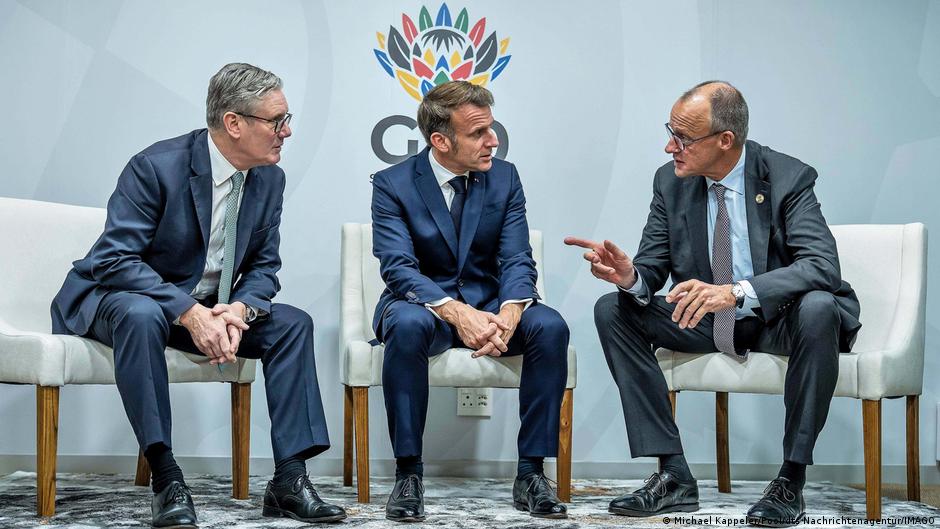
Has Trump’s trade strategy lost leverage?
Al Jazeera • 2/20/2026 – 2/26/2026

Summary
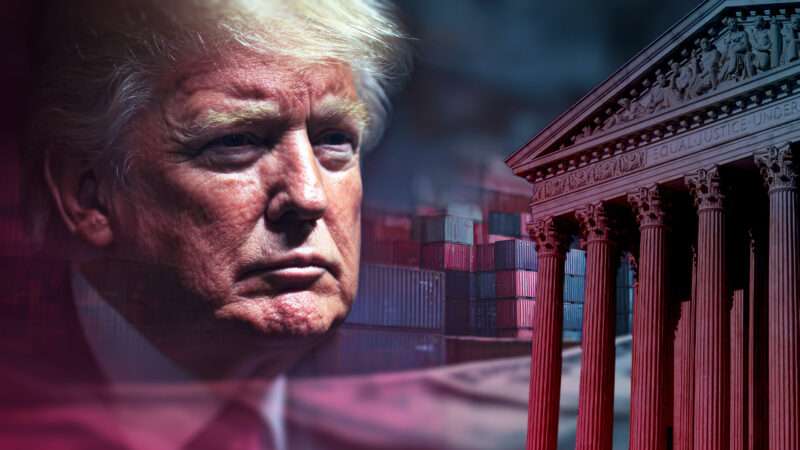
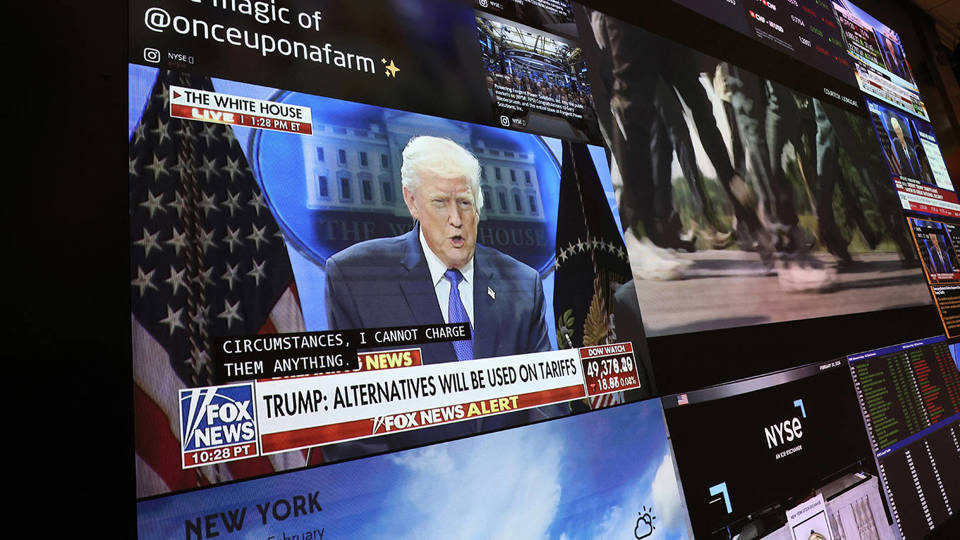
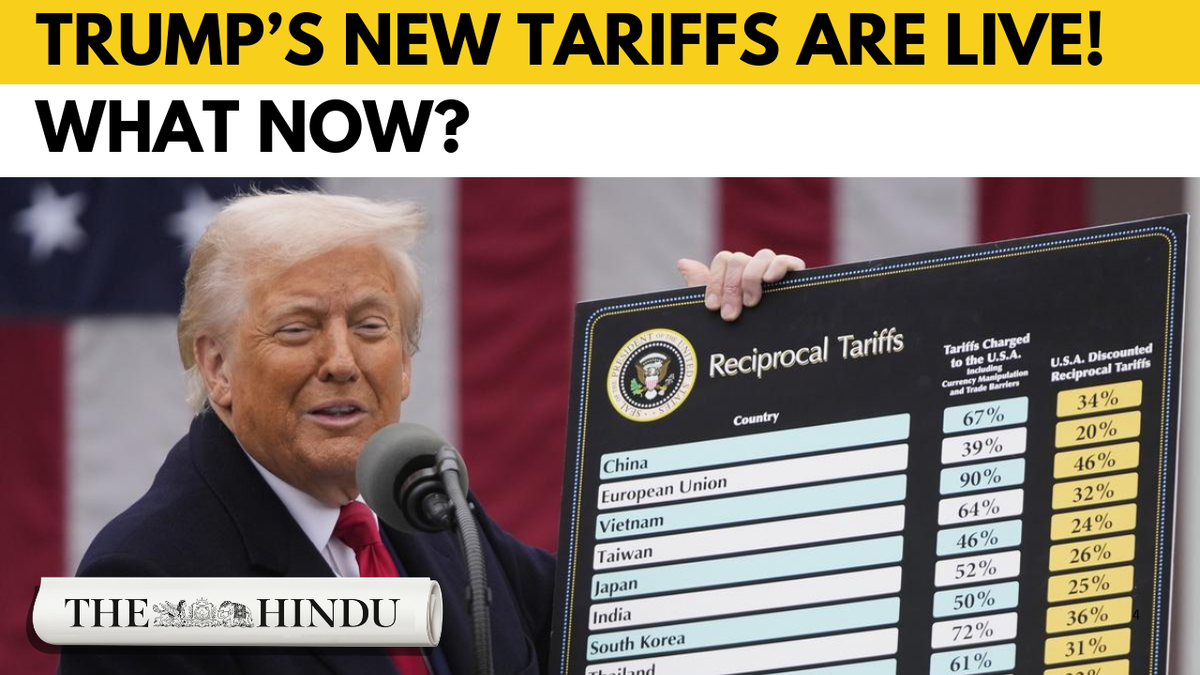
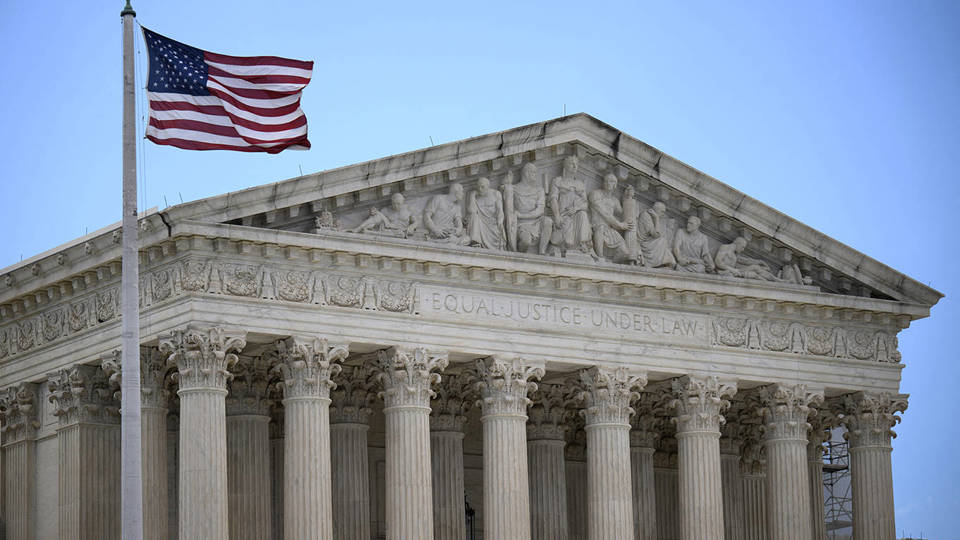
The U.S. Supreme Court has ruled that President Donald Trump does not have the authority to unilaterally impose tariffs, declaring most of his tariffs unconstitutional in a 6-3 decision. This ruling represents a significant setback for Trump's protectionist trade strategy, which has been a critical component of his economic agenda (Deutsche Welle, Al Jazeera). The decision emphasizes the importance of the rule of law in shaping economic policy, contrasting with the potential for policies to be influenced by personal whims (Project Syndicate). Following the Supreme Court's ruling, the status of U.S. tariff rates has become ambiguous, with unclear specifics regarding which goods will be taxed and at what rates (Japan Times). This uncertainty has raised concerns among various stakeholders, including lawmakers and international trade partners. In response to the ruling, the European Union has postponed a vote on a trade deal with the United States, reflecting the impact of this uncertainty on transatlantic trade relations (Reuters). In light of the Supreme Court's decision, Taiwan has sought clarification from Washington regarding its trade outlook. President Trump has invoked Section 122 of the U.S. Trade Act of 1974 to impose a 15 percent global tariff, complicating the situation for Taiwan and raising questions about existing tariff exemptions under the Taiwan-U.S. trade framework (South China Morning Post). The ruling has introduced new uncertainties in international trade dynamics while potentially straining global trade relations and prompting businesses to operate more cautiously, which could adversely affect the U.S. economy (CNBC). U.S. stocks rallied following the Supreme Court's decision, indicating a positive market reaction to the striking down of Trump's tariffs (NBC News). Overall, the ruling has thrown the Trump administration's tariff strategy into flux, with implications that may extend beyond immediate trade policies.
Advertisement
Cluster Activity
Lindy Score Breakdown (V4.2)
Story Timeline
- 2026-02-20
- 2026-02-21
- 2026-02-26Has Trump’s trade strategy lost leverage? (current)
AnalysisRisk 10
Same Story from 11 sources




Breaking Similar stories



Anti-Lindy Similar stories