Conflict shifts to ‘energy war’ as Iran targets Gulf oil and gas
Al Jazeera • 2/15/2026 – 3/19/2026

Summary
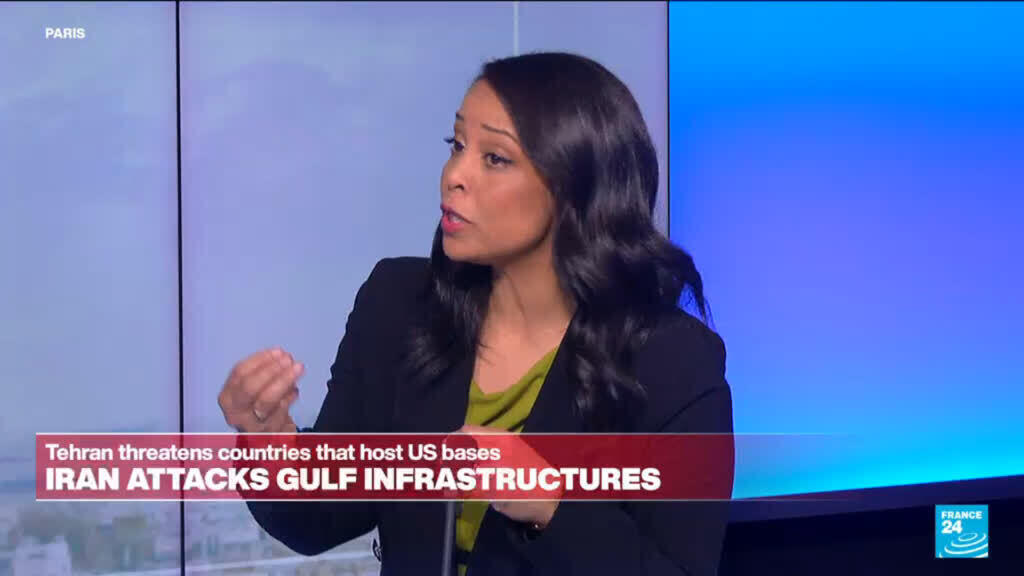
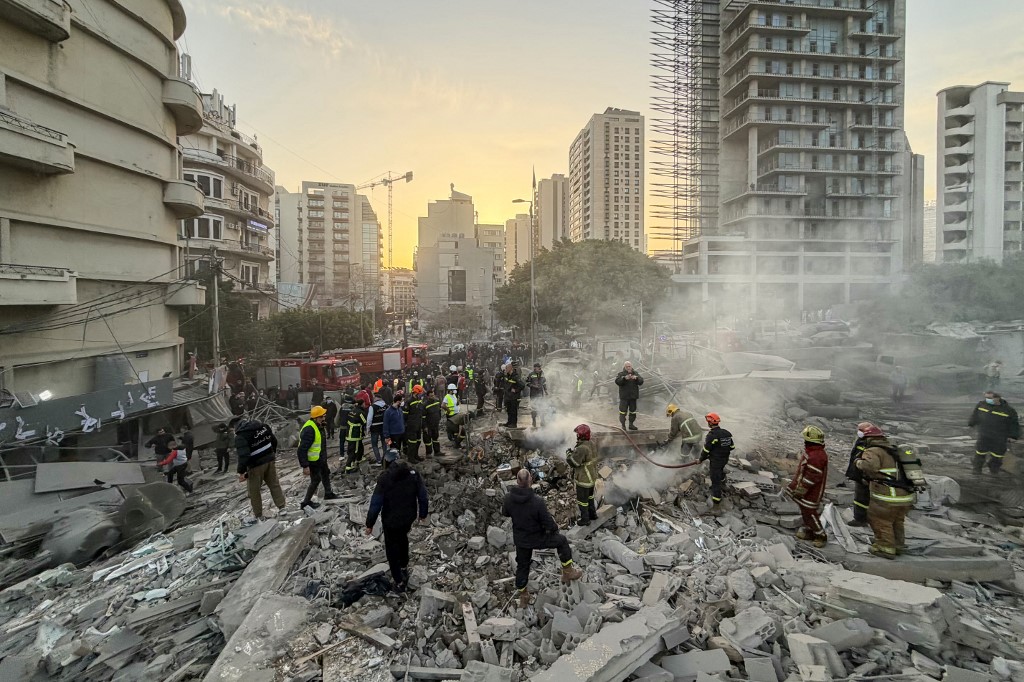
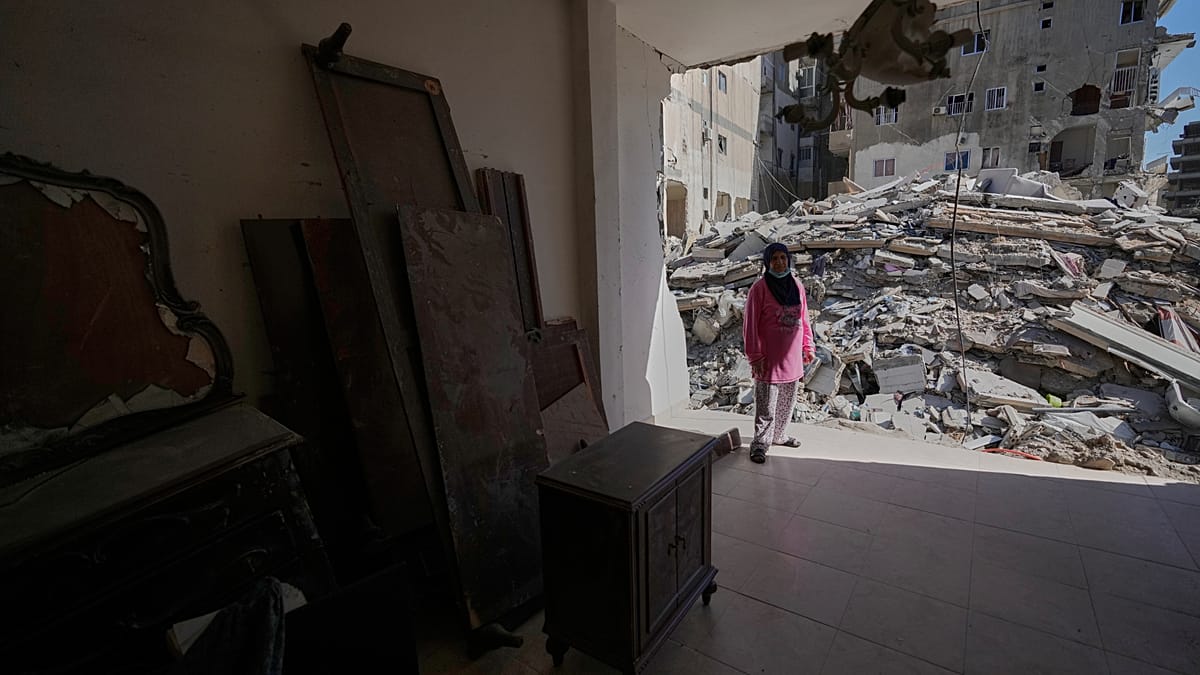
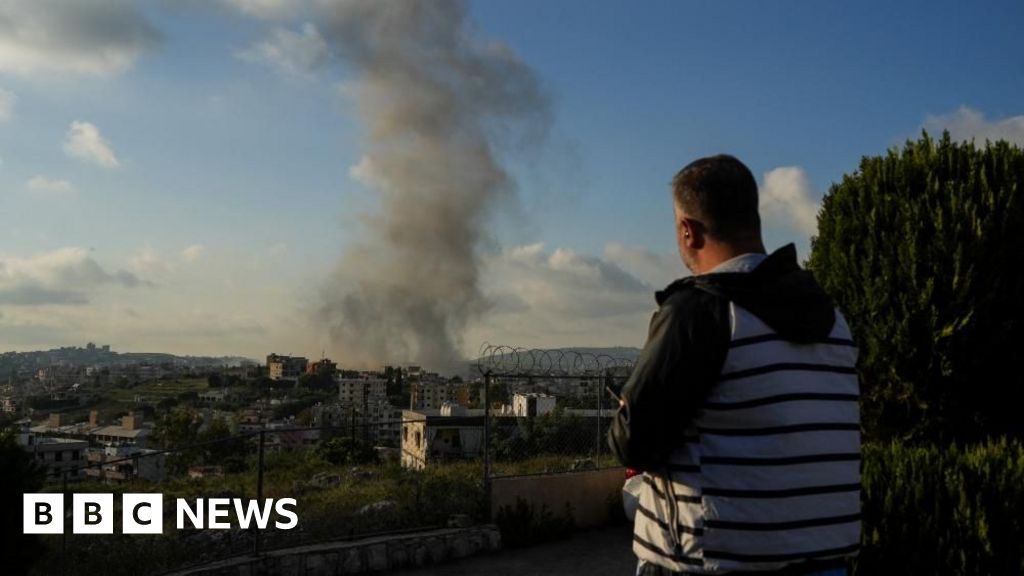
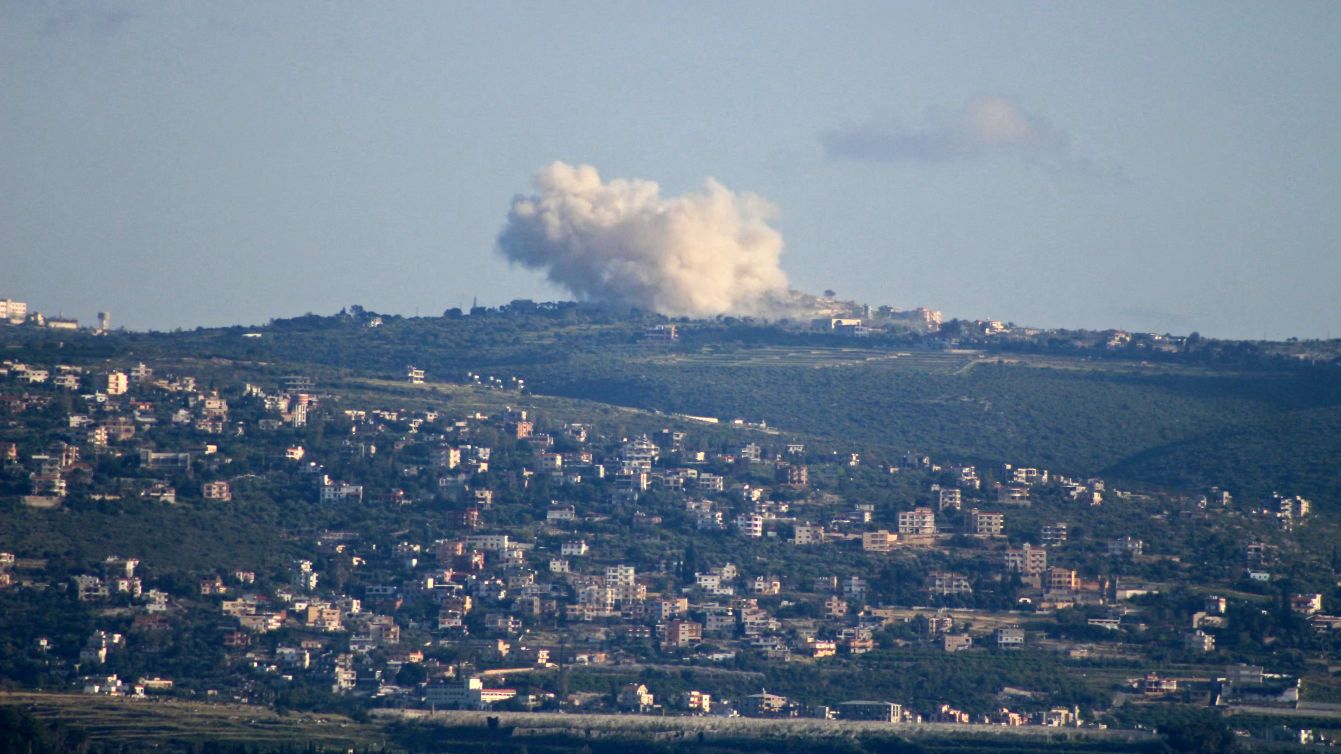
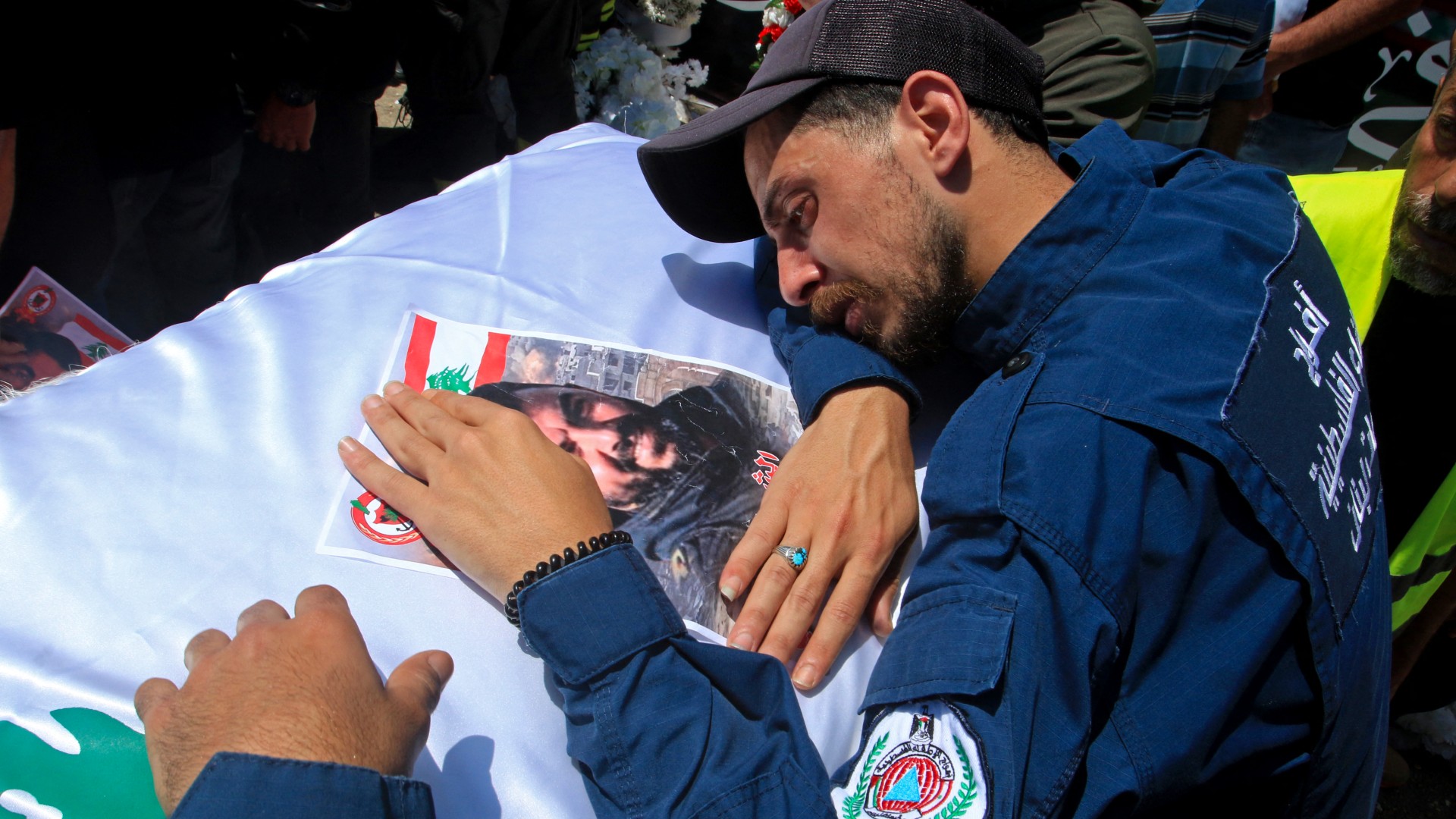
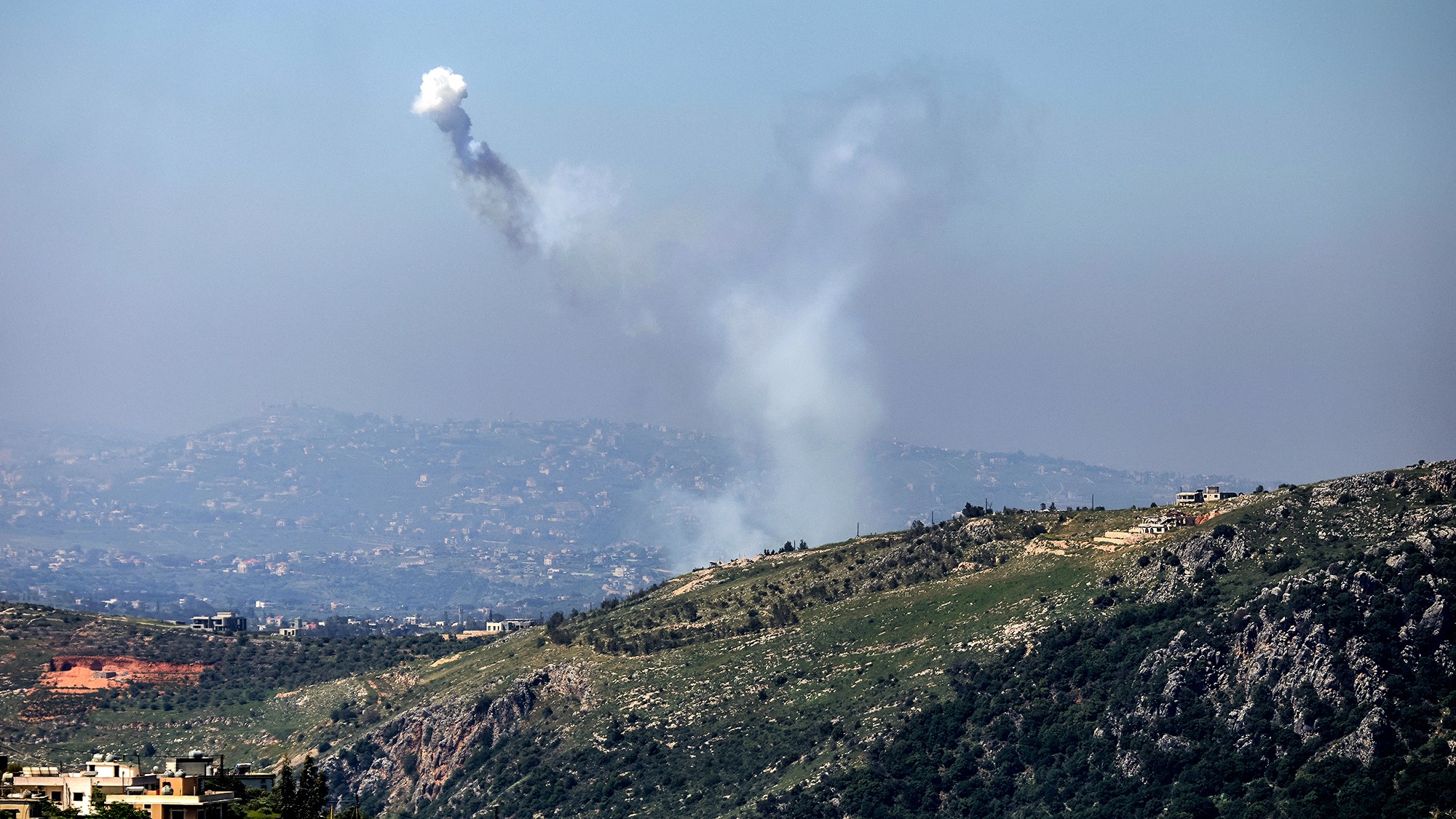
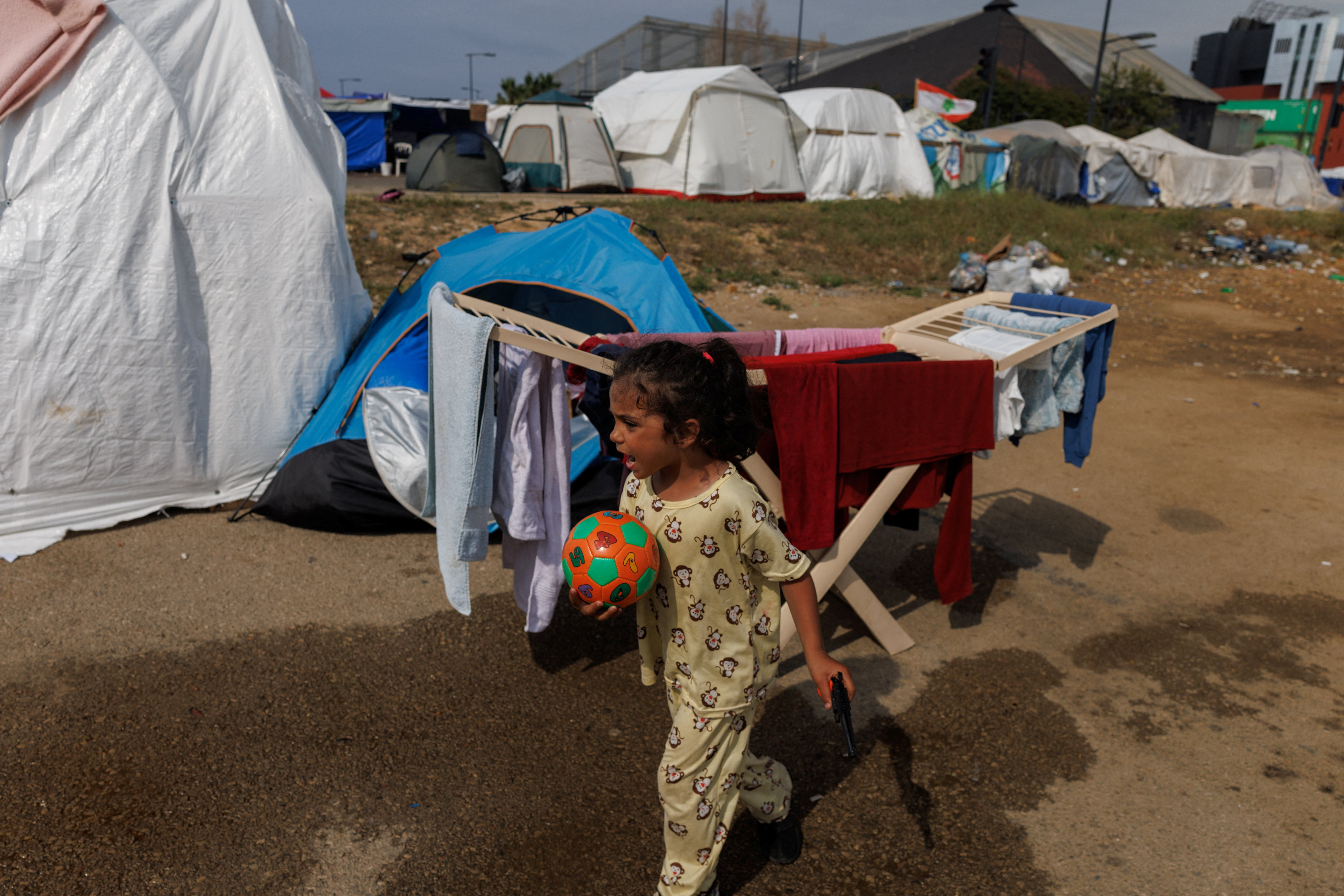
The conflict in the region has escalated into what is being described as an "energy war," particularly following an Israeli strike on Iran's South Pars gas field. This attack has not only rattled global energy markets but has also raised fears of further escalation and driven oil prices higher. In response, Iran has targeted Gulf energy sites as a means to pressure an end to the ongoing conflict (Primary Source). Amid these developments, Israeli air raids have resulted in significant casualties in Lebanon. At least 12 people were killed and 33 wounded in strikes on the town of Nabi Chit in Lebanon’s eastern Bekaa Valley, according to the Lebanese Health Ministry. The Israeli military has conducted large-scale evacuation orders for parts of southern Lebanon and Beirut’s southern suburbs, leading to a mass exodus of civilians. Since the conflict began, more than 200 people have been reported killed in Lebanon, with approximately 95,000 displaced (Middle East Eye). Further Israeli strikes have resulted in additional fatalities, with reports indicating that 17 people were killed across Beirut and southern Lebanon in recent attacks. The strikes targeted various regions, including the town of Al Aqibya in the Saida district and the Haret Hreik neighborhood in Beirut's southern suburbs (Middle East Eye, Reuters). The ongoing violence has intensified as the conflict enters its second week, with Hezbollah reporting continued Israeli raids in eastern Lebanon (Reuters).
Advertisement
Cluster Activity
Lindy Score Breakdown (V4.2)
Story Timeline
- 2026-02-15
- 2026-02-16
- 2026-02-17
- 2026-02-18
- 2026-02-20
- 2026-02-22
- 2026-02-28
- 2026-03-01
AnalysisRisk 10
Same Story from 11 sources




Breaking Similar stories



Anti-Lindy Similar stories