Attack on Iran disrupts flights across the Middle East and beyond
France24 • 2/16/2026 – 2/28/2026
Summary
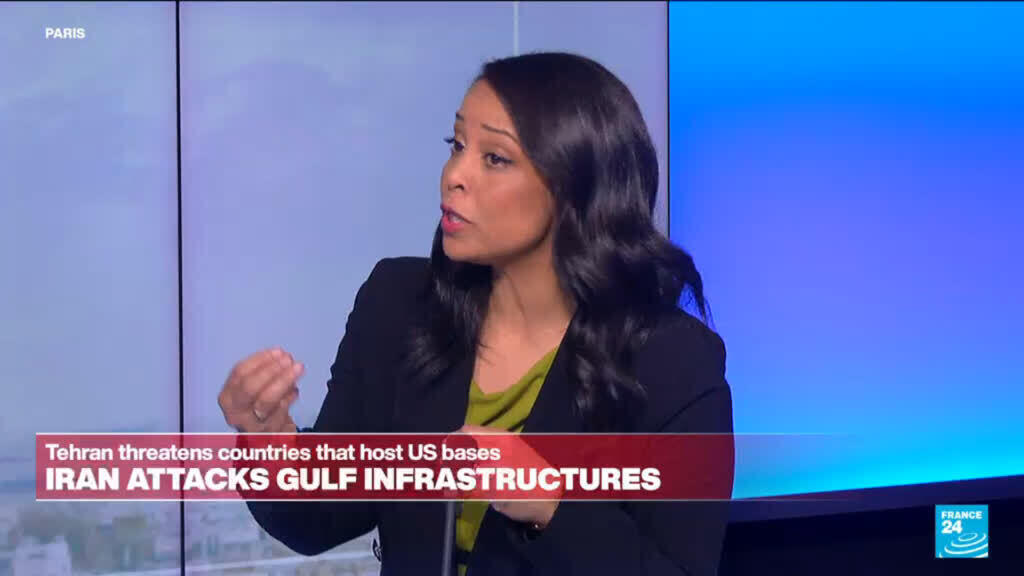
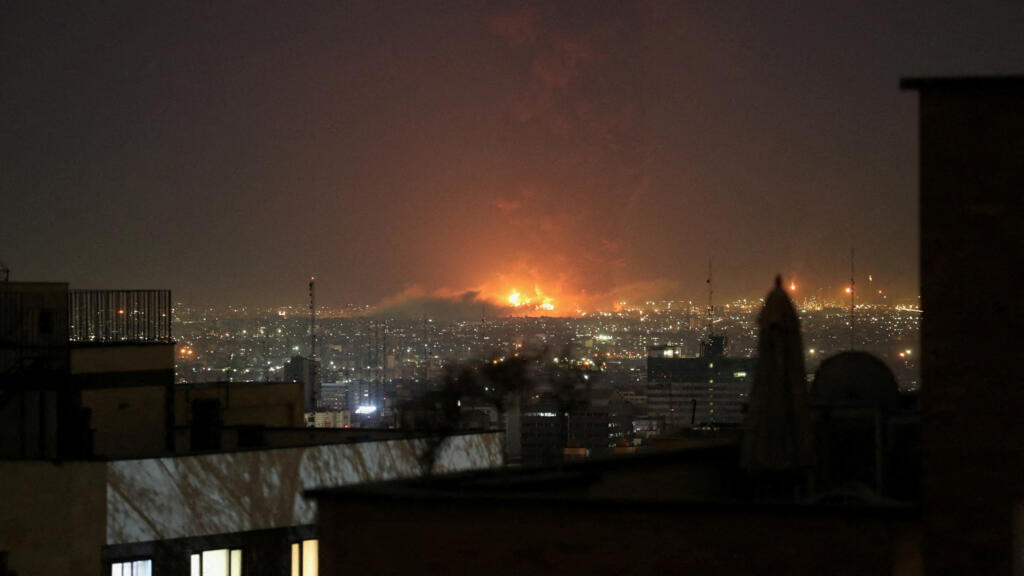
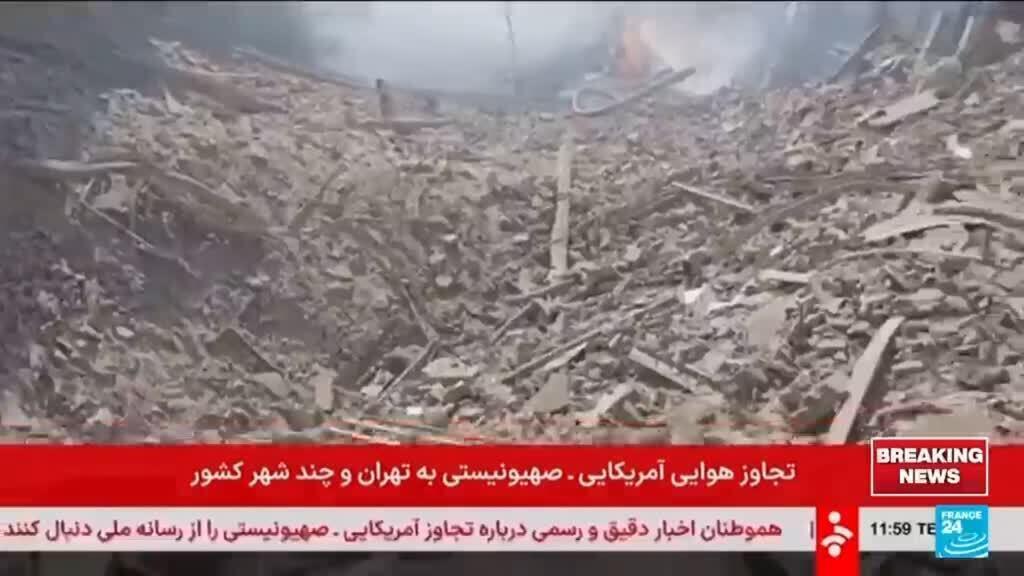
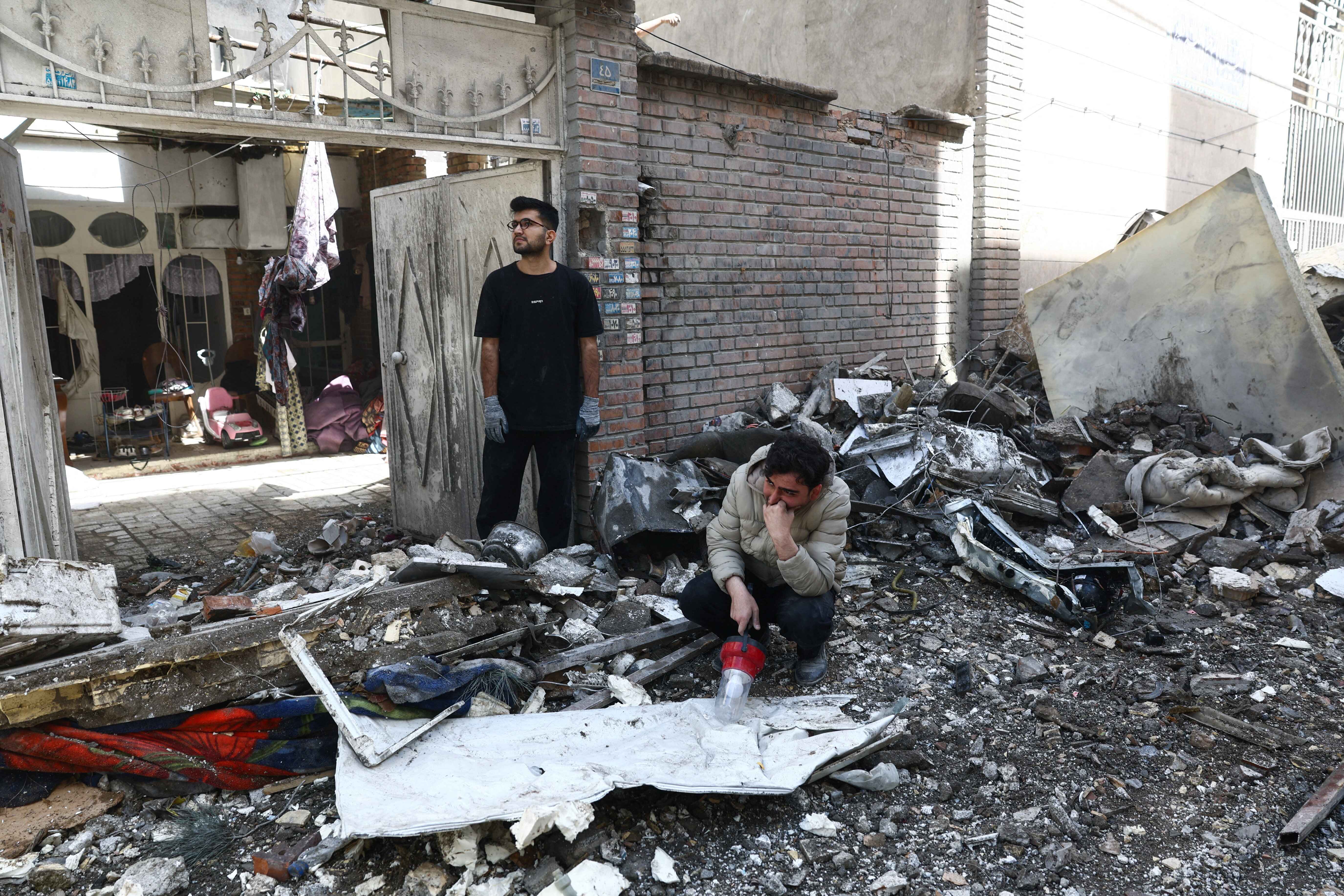
On Saturday, the United States and Israel launched major air strikes on targets across Iran, marking one of the most extensive attacks on the country in years. In response to these strikes, several countries, including Iran, Iraq, Israel, Syria, Kuwait, and the United Arab Emirates, announced partial closures of their airspace. The United Arab Emirates, home to Emirates and Etihad airlines, and Israel closed their airspace, while Qatar Airways Group temporarily canceled flights to and from Doha due to the closure of Qatari airspace. The impact of these airspace closures has been significant, leading to the cancellation of hundreds of flights and leaving tens of thousands of passengers stranded globally. Major aviation hubs in the Gulf, including Dubai and Doha, have either shut down or are operating at reduced capacity for multiple days, disrupting travel connections between Europe and Asia that rely heavily on Gulf airspace. Reports indicate that at least nine flights from Hong Kong to the Middle East were canceled or delayed following the attacks, prompting the Hong Kong authorities to issue a travel warning against Iran. As the conflict escalates, the aviation sector in Asia is facing potential setbacks, with fears of a domino effect that could derail the fragile recovery in tourism and aviation. The ongoing situation has resulted in 19,000 flights being delayed, further stranding passengers and complicating travel plans across the region. The closure of airspace and the subsequent flight cancellations highlight the broader implications of the conflict on international travel and aviation operations.
Advertisement
Cluster Activity
Lindy Score Breakdown (V4.2)
Story Timeline
- 2026-02-16
- 2026-02-17
- 2026-02-18
- 2026-02-20
- 2026-02-22
- 2026-02-28Attack on Iran disrupts flights across the Middle East and beyond (current)
- 2026-03-01
- 2026-03-02
Score BreakdownRisk 25
Stories gain Lindy status through source reputation, network consensus, and time survival.
Same Story from 11 sources







Breaking Similar stories





Anti-Lindy Similar stories