Iran threatens Gulf energy targets after Pars gas field struck, sending oil prices higher
South China Morning Post • 2/15/2026 – 3/18/2026

Summary
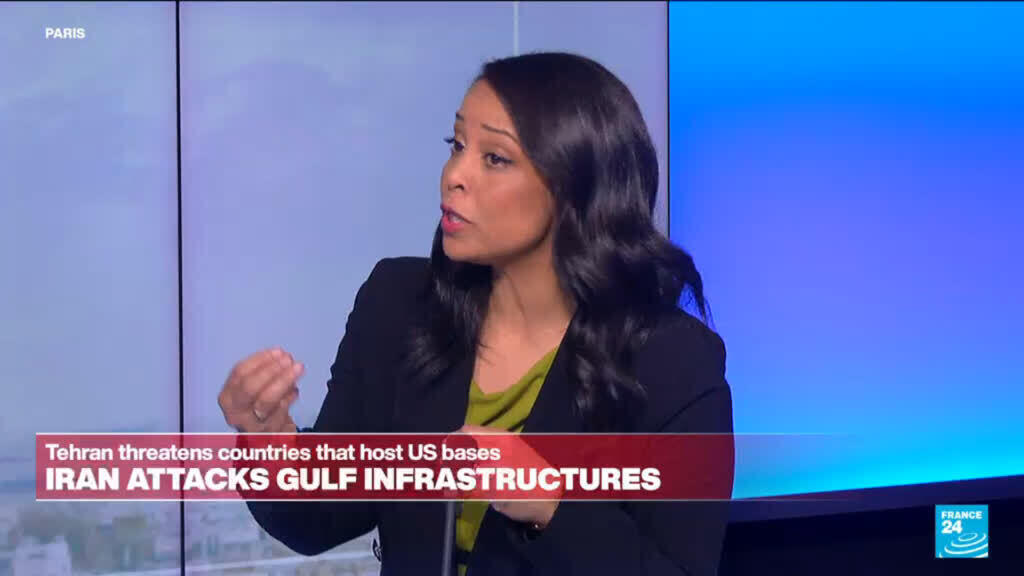
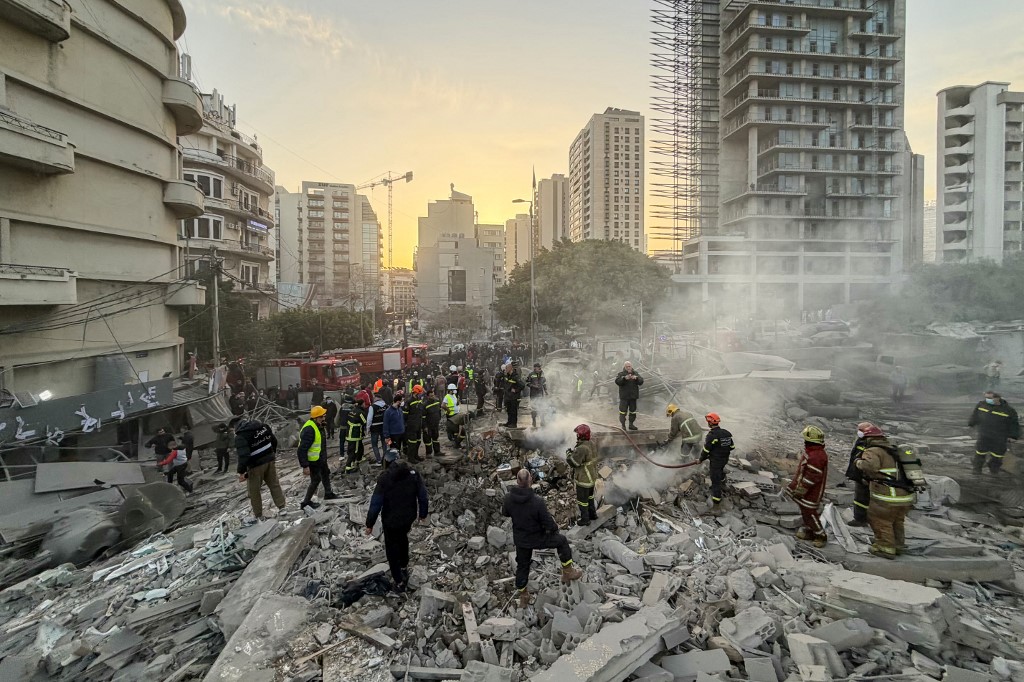
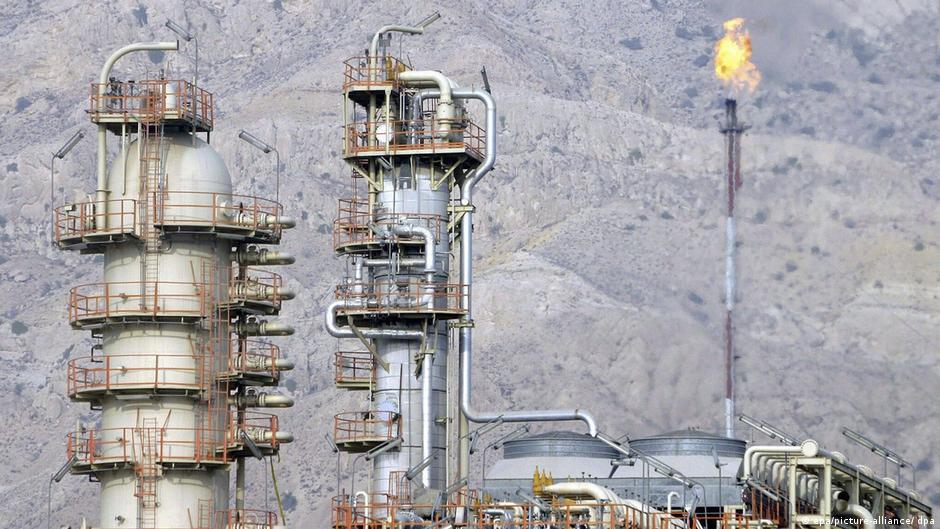
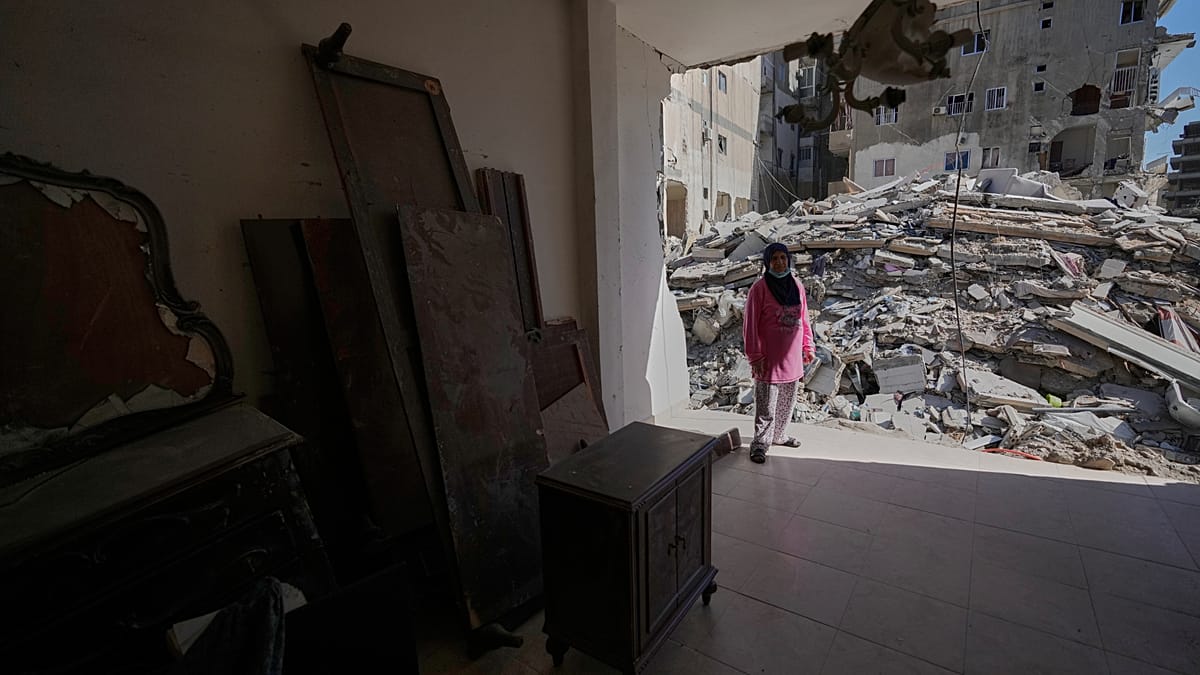
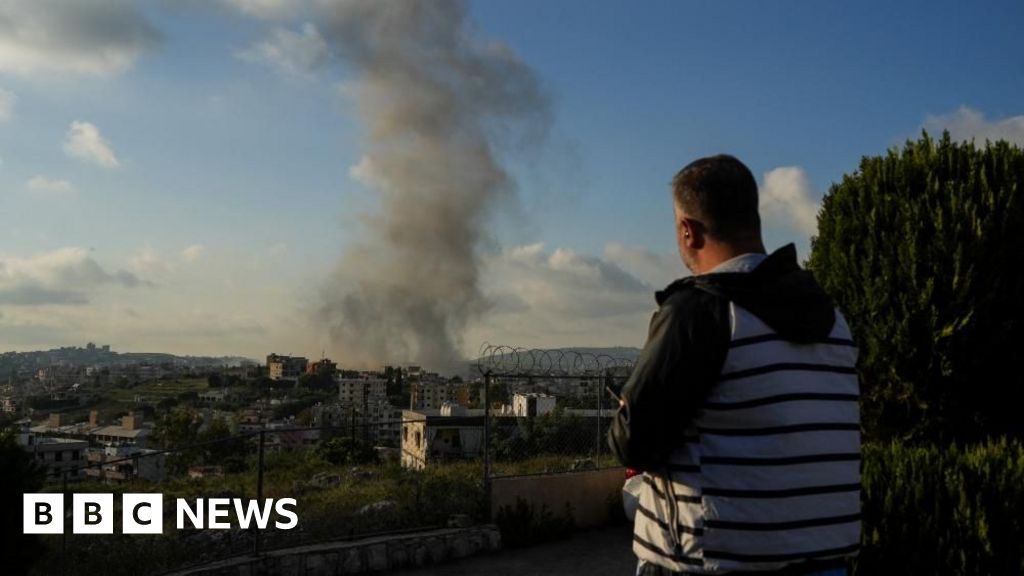
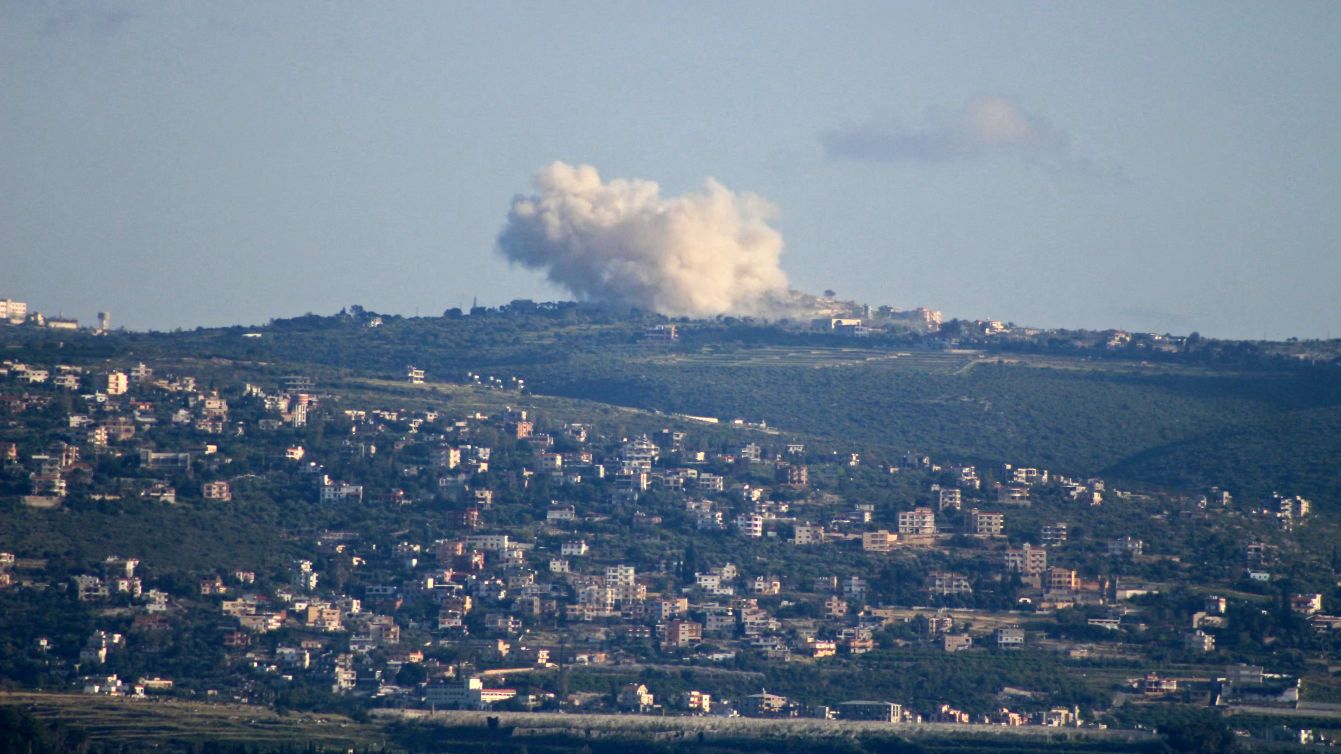
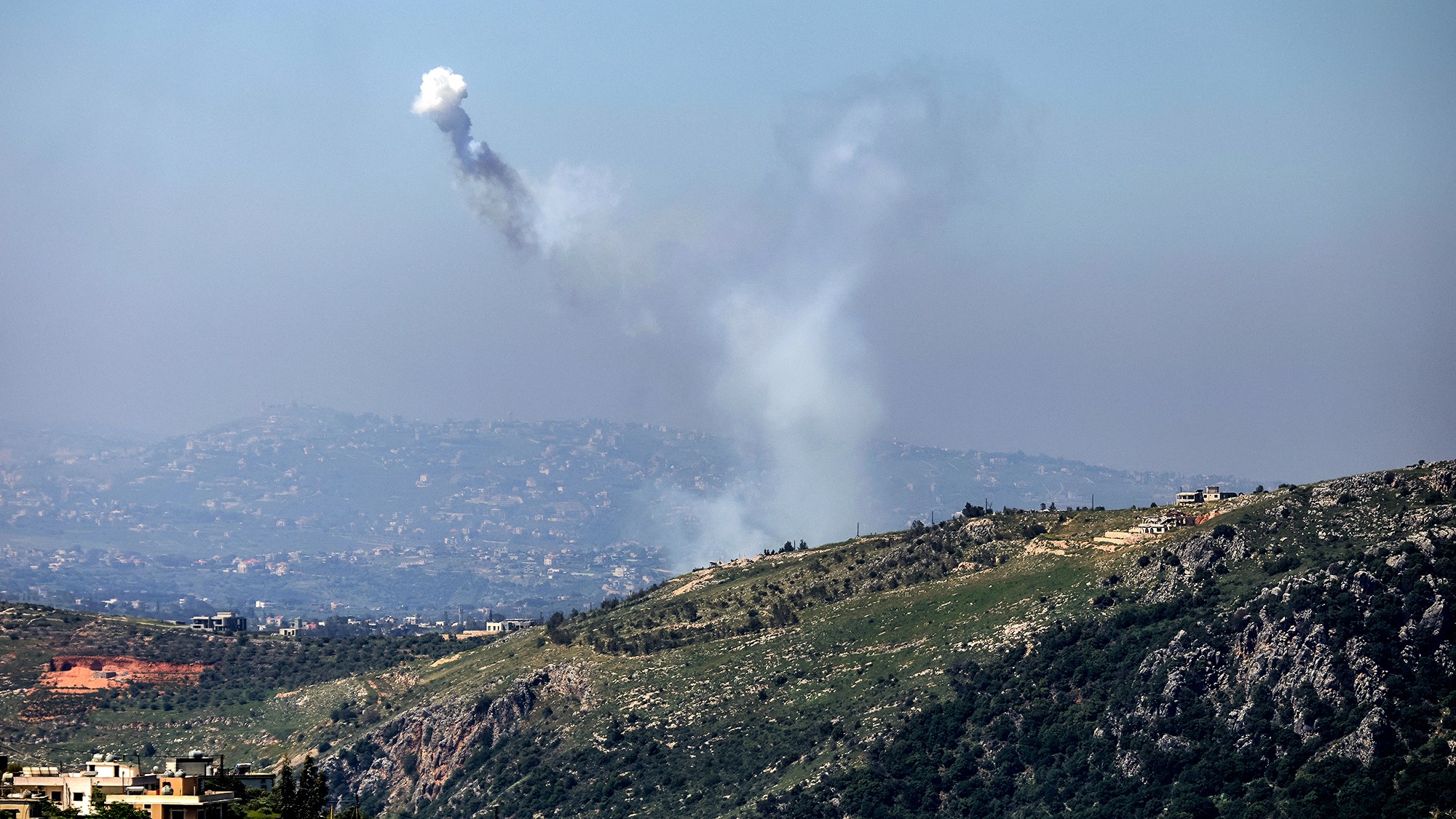
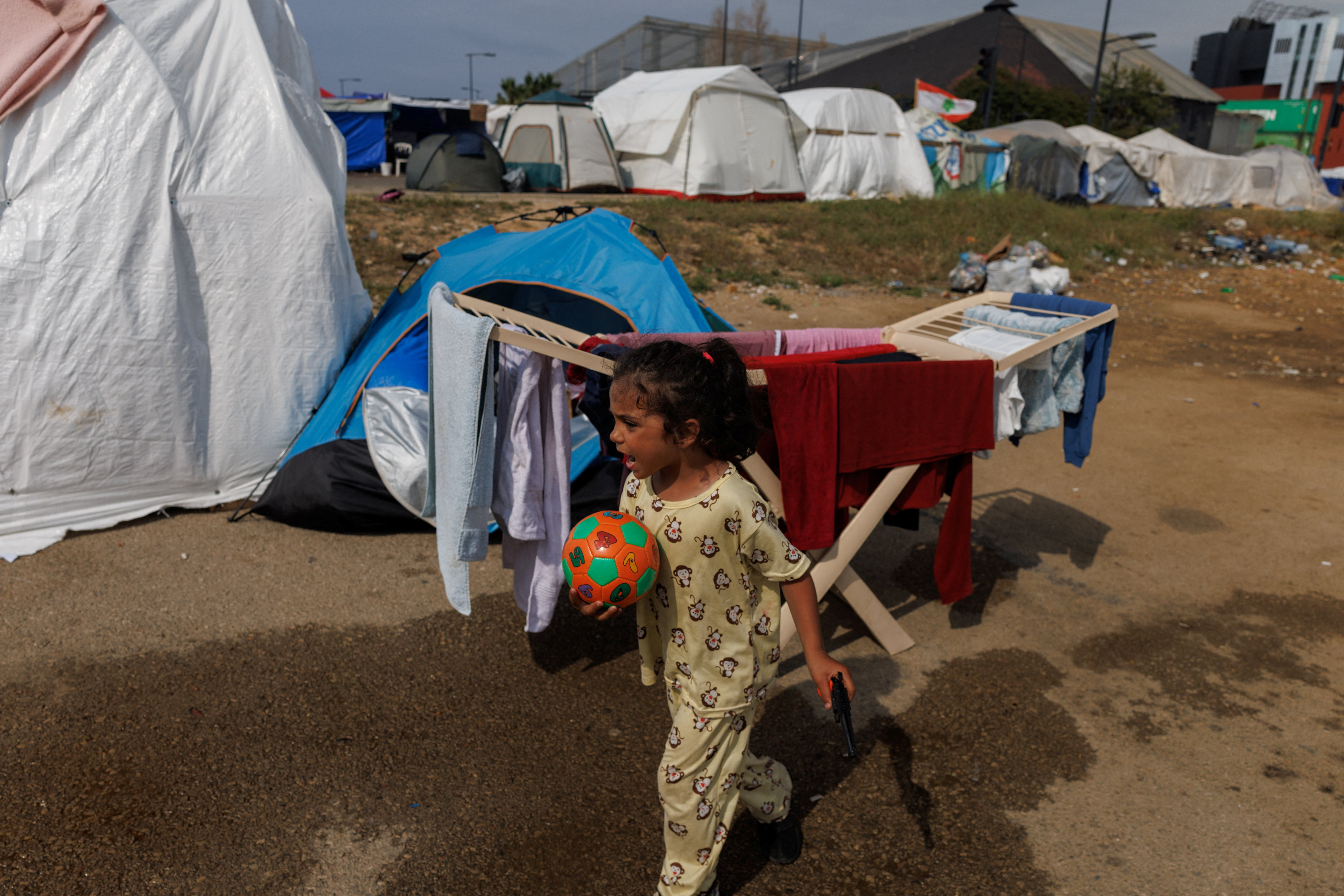
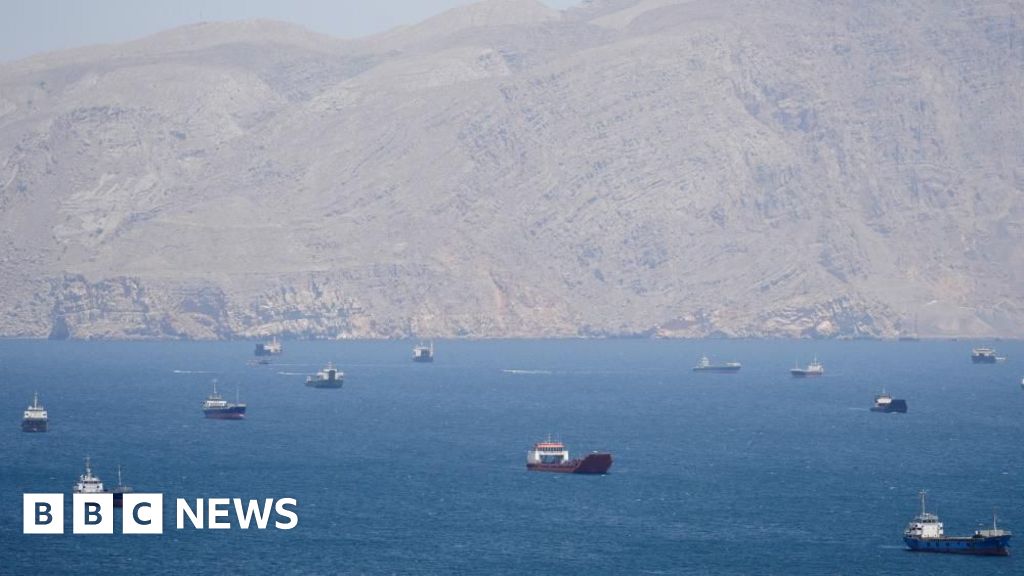
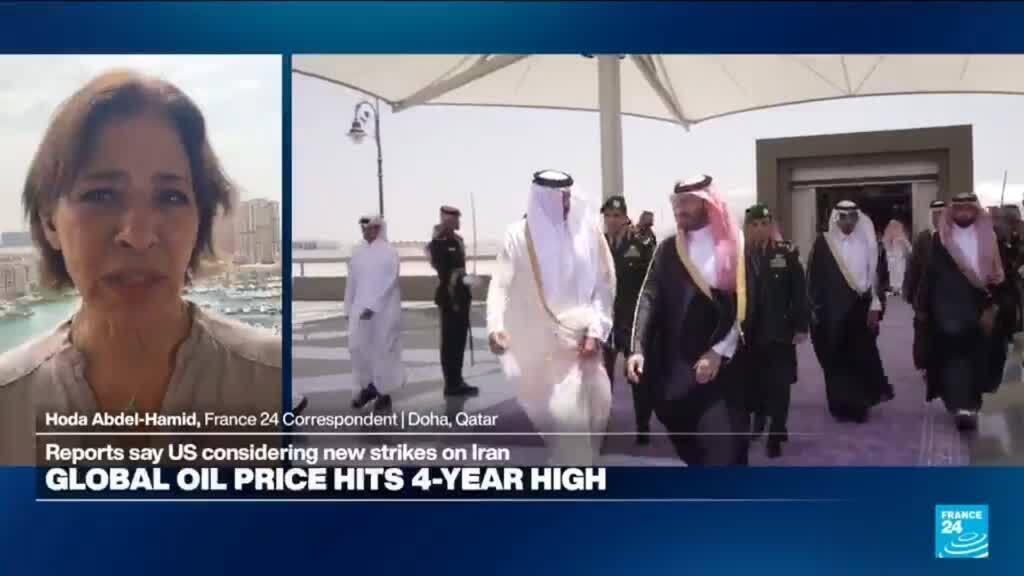
Iran's Pars gas field was struck on Wednesday, marking the first reported attacks on Iran's Gulf energy infrastructure amid the ongoing US-Israeli war. In response, Tehran announced it would retaliate by targeting oil and gas facilities throughout the Gulf region. Following the attack, oil prices surged, with benchmark Brent crude prices rising approximately 5%. This escalation has raised concerns about the potential for lasting damage to the energy infrastructure in a region critical to global energy supplies. The conflict has also extended into Lebanon, where Israeli airstrikes on the eastern town of Nabi Chit resulted in at least 26 fatalities. This town has strong connections to Hezbollah, an Iran-backed military group. In the past week, Israel has issued evacuation warnings and conducted heavy strikes in southern Lebanon and the suburbs of Beirut, prompting tens of thousands of civilians to flee the area. The situation has led to significant traffic congestion in Beirut as residents attempt to evacuate. The attacks on Iran's gas facilities have had a ripple effect on global energy markets, causing gas prices to spike. The escalation between Israel and Iran has heightened fears of further conflict, with both nations targeting each other's gas infrastructure. The ongoing hostilities are contributing to instability in one of the world's most vital energy-producing regions, further complicating the geopolitical landscape.
Advertisement
Cluster Activity
Lindy Score Breakdown (V4.2)
Story Timeline
- 2026-02-15
- 2026-02-16
- 2026-02-17
- 2026-02-18
- 2026-02-20
- 2026-02-22
- 2026-02-28
- 2026-03-01
Score BreakdownRisk 25
Stories gain Lindy status through source reputation, network consensus, and time survival.
Same Story from 11 sources





Breaking Similar stories






Anti-Lindy Similar stories