Volatile oil markets due to Middle East conflict increase jet fuel prices
France24 • 2/15/2026 – 3/11/2026

Summary
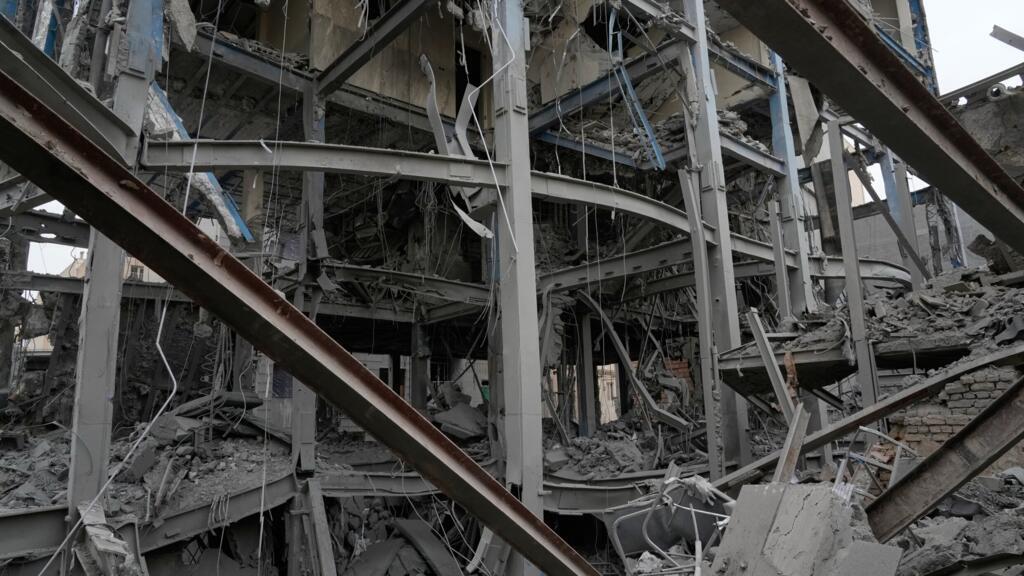
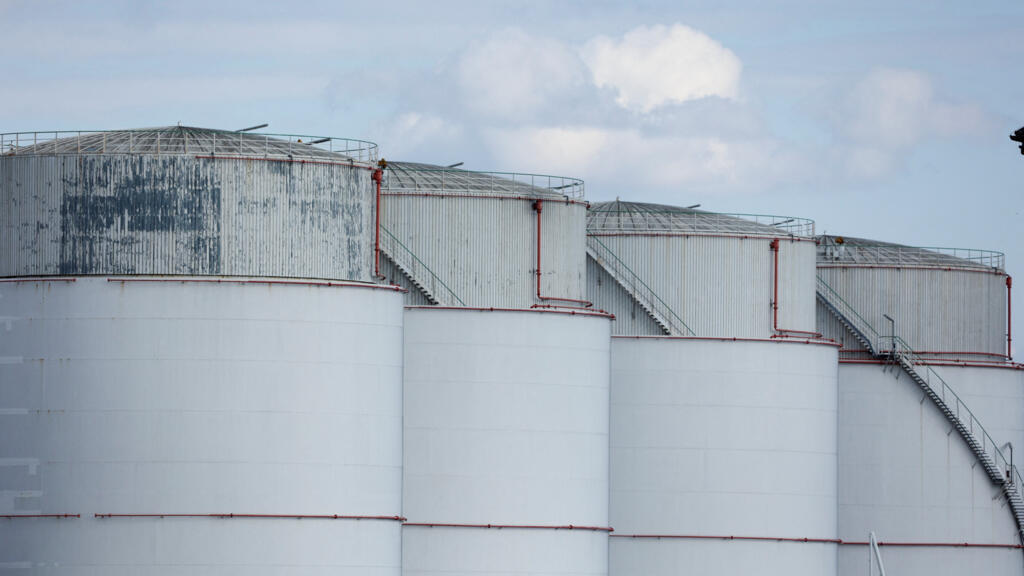
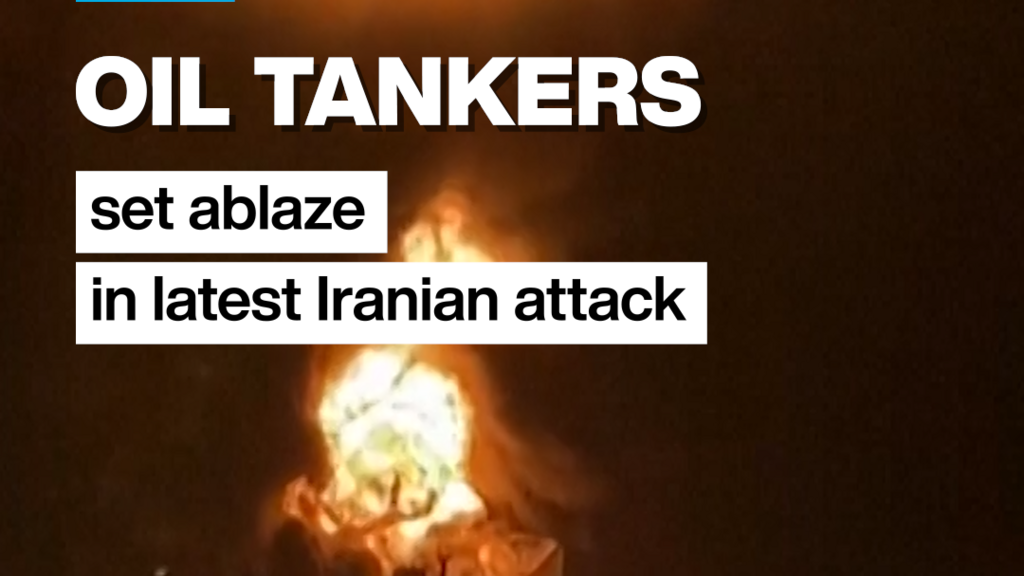
Volatility in oil markets, driven by the ongoing conflict involving the United States and Israel against Iran, is causing a significant increase in jet fuel prices. This rise in fuel costs is being passed on to air passengers, leading to higher fares and fuel surcharges across various airlines. Analysts have indicated that the war on Iran is expected to impact the travel sector throughout the coming year (Primary Source). The conflict has also resulted in increased demand for flight routes that avoid the Middle East and Gulf stopovers, further contributing to rising costs for travelers (Euronews). Airspace closures across the Middle East have left tens of thousands of travelers stranded and forced airlines to divert routes, which threatens to derail the fragile recovery of Asia’s tourism and aviation sectors (South China Morning Post). Major transit hubs, including Dubai and Doha, have been shut down or are operating at reduced capacity for several days, disrupting Europe-Asia connections that rely heavily on Gulf airspace (South China Morning Post). As a direct consequence of the escalating conflict, numerous flights across the Middle East have been canceled, with countries like Iran, Iraq, Israel, Syria, Kuwait, and the United Arab Emirates announcing partial closures of their airspace (South China Morning Post). For instance, a joint US-Israeli attack on Iran led to the cancellation or delay of at least 27 flights from Hong Kong to Middle Eastern destinations, leaving many travelers stranded at Hong Kong International Airport (South China Morning Post). The overall impact of the situation is expected to extend beyond immediate disruptions, potentially affecting global travel plans in the long term (Wired).
Advertisement
Cluster Activity
Lindy Score Breakdown (V4.2)
Story Timeline
- 2026-02-15
- 2026-02-16
- 2026-02-17
- 2026-02-18
- 2026-02-20
- 2026-02-22
- 2026-02-28
- 2026-03-01
Score BreakdownRisk 25
Stories gain Lindy status through source reputation, network consensus, and time survival.
Same Story from 11 sources







Breaking Similar stories






Anti-Lindy Similar stories