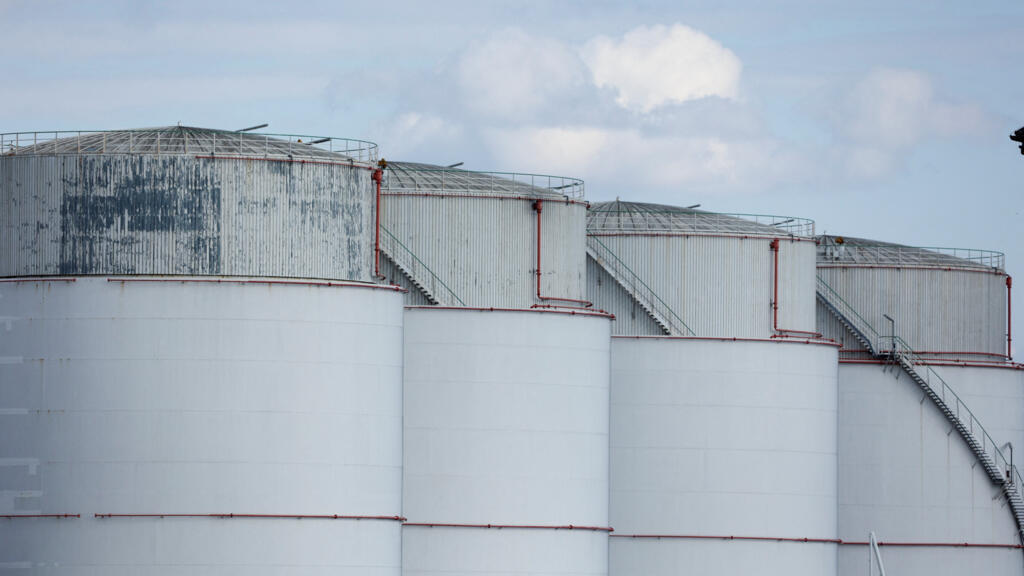
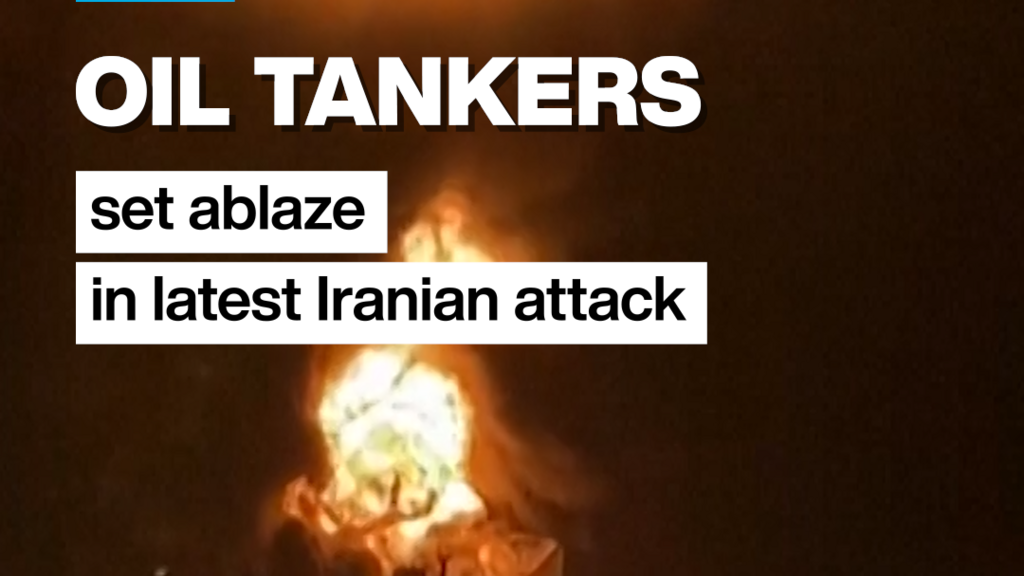
Middle East war: Oil tankers set ablaze in the Gulf in latest Iranian attacks
France24 • 2/15/2026 – 3/12/2026
Summary
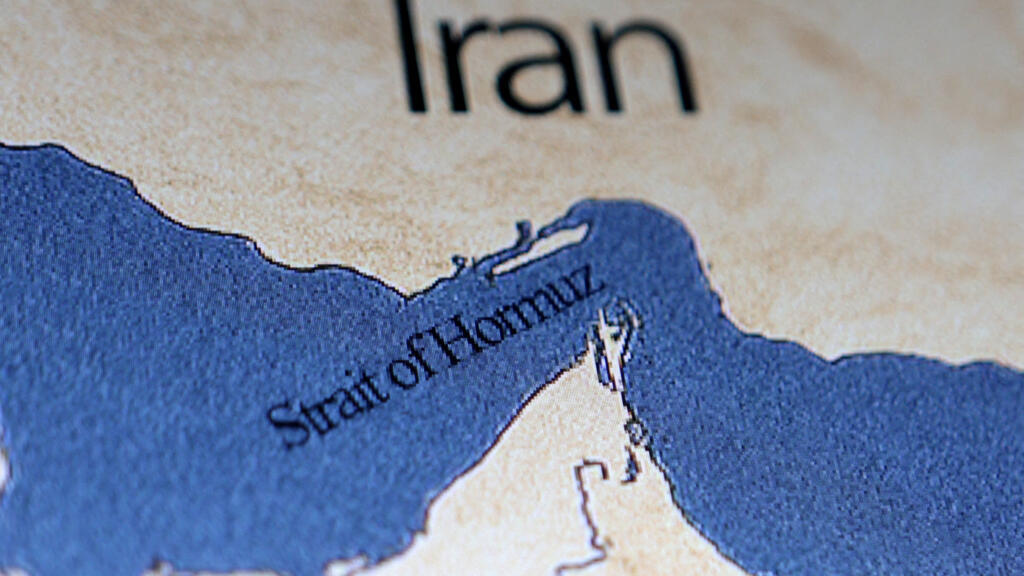
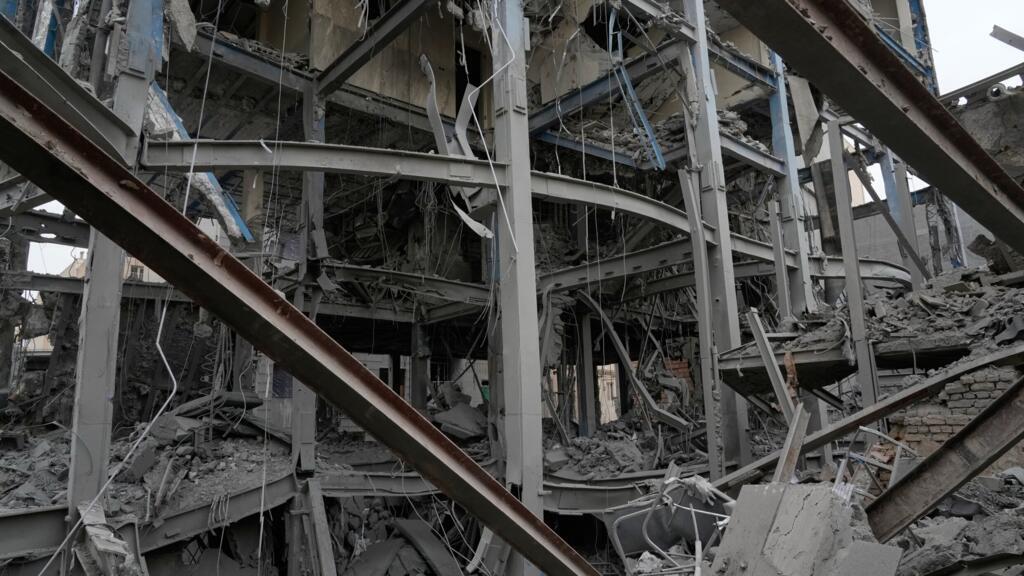
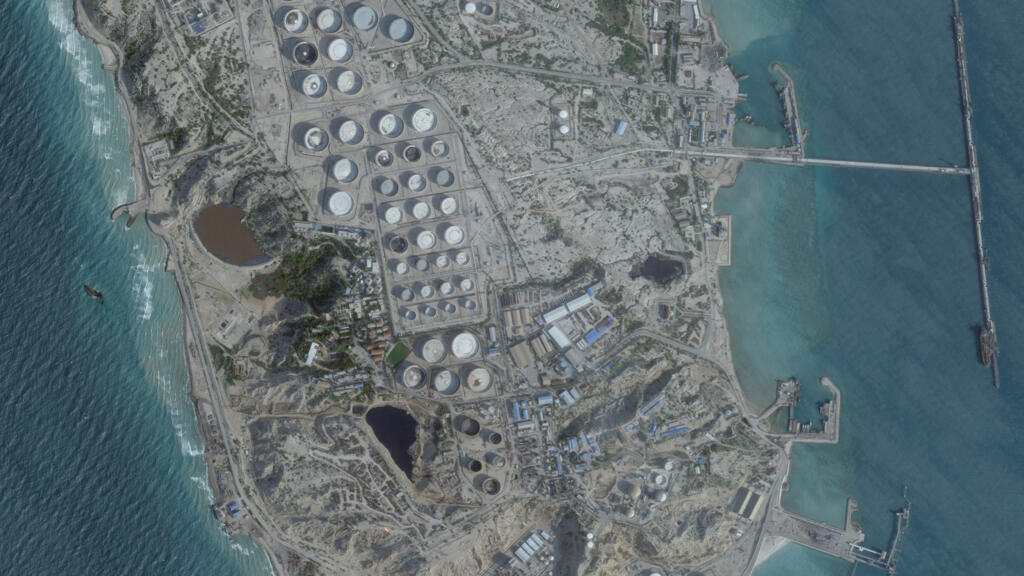
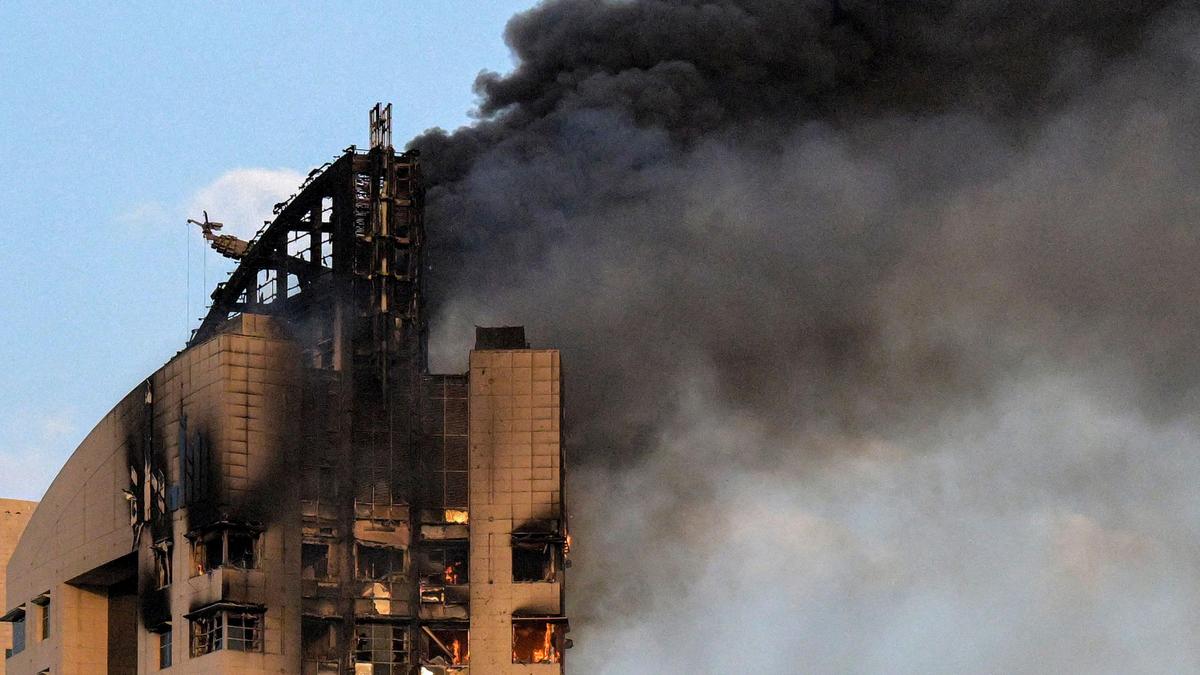
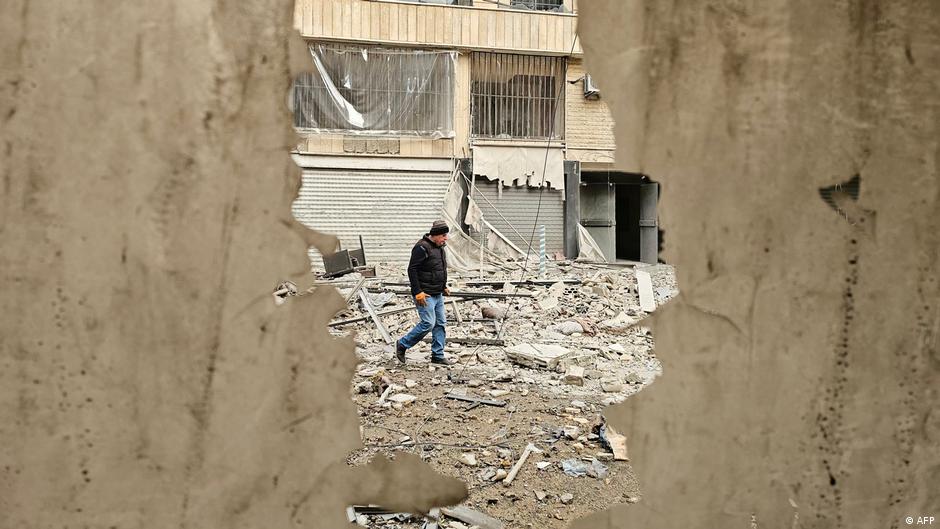
Two oil tankers were hit by Iranian explosives off the coast of Iraq, marking a continuation of Iranian attacks in the region. This incident is part of a broader pattern of aggression, with at least 16 ships reported to have been struck in the strategically vital Strait of Hormuz. The ongoing conflict involving Iran has raised significant concerns regarding global oil supply and prices, prompting the International Energy Agency (IEA) to agree to release a record 400 million barrels of emergency oil reserves. This release surpasses the previous record of 182.7 million barrels made available in 2022 in response to the Russia-Ukraine war. The situation has escalated further with Iranian drones attacking Saudi Arabia’s Ras Tanura refinery, leading to fears of a global oil shock. Crude oil futures spiked approximately 8% on March 2nd due to these developments. In response to threats from Iran regarding oil exports, the U.S. has reported the destruction of 16 Iranian mine-laying vessels. The conflict has resulted in significant civilian casualties, with at least 1,332 reported deaths since the war began. Iranian President Masoud Pezeshkian has issued an apology to neighboring countries, stating that a temporary leadership council has decided to suspend attacks unless provoked. Gulf states have urged Iran to avoid retaliating against them, and some have expressed that the U.S. and Israel cannot use their airspace or territory for attacks on Iran. The international community is closely monitoring the implications of the Iran conflict on global oil markets and security, as multiple countries, including Germany, Austria, Japan, Spain, and France, plan to partially release their oil reserves in response to rising prices linked to the situation in Iran.
Advertisement
Cluster Activity
Lindy Score Breakdown (V4.2)
Story Timeline
- 2026-02-15
- 2026-02-16
- 2026-02-17
- 2026-02-18
- 2026-02-20
- 2026-02-22
- 2026-02-28
- 2026-03-01
Score BreakdownRisk 25
Stories gain Lindy status through source reputation, network consensus, and time survival.
Same Story from 11 sources






Breaking Similar stories









Anti-Lindy Similar stories