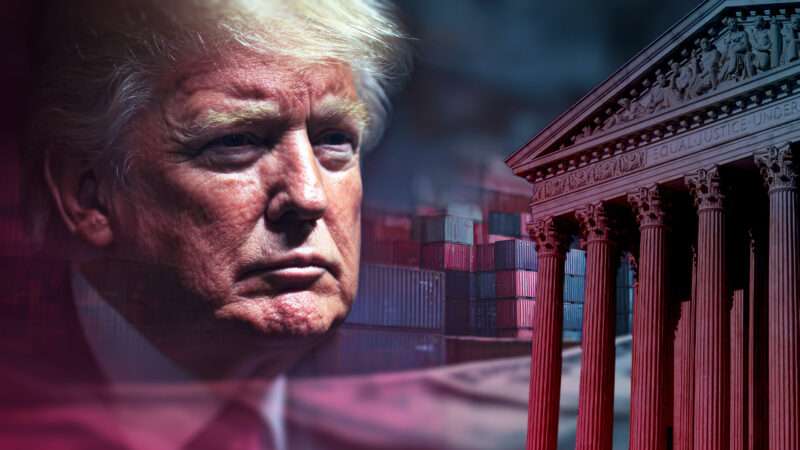
SCOTUS rules Trump’s tariffs are illegal — but the fight is far from over
The Verge • 2/20/2026 – 2/21/2026

Summary
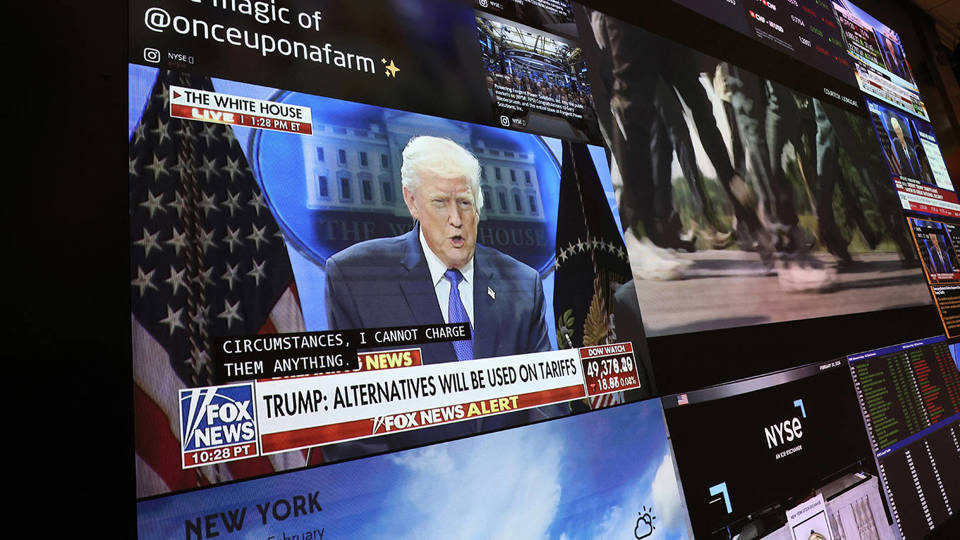
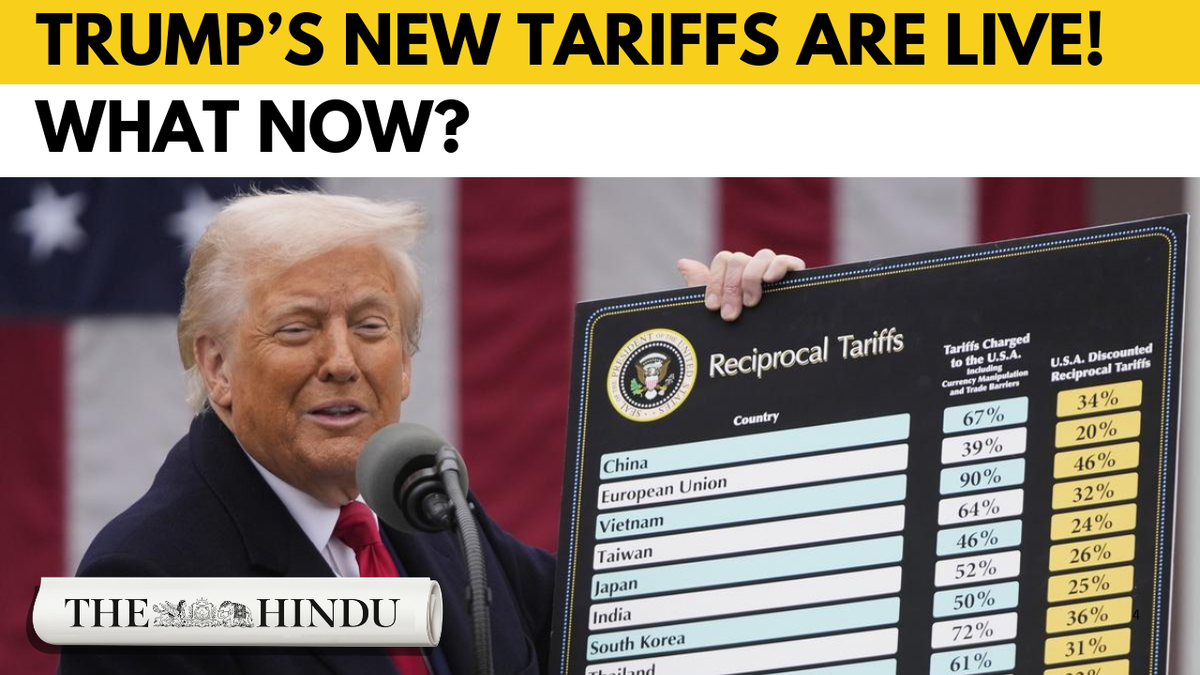
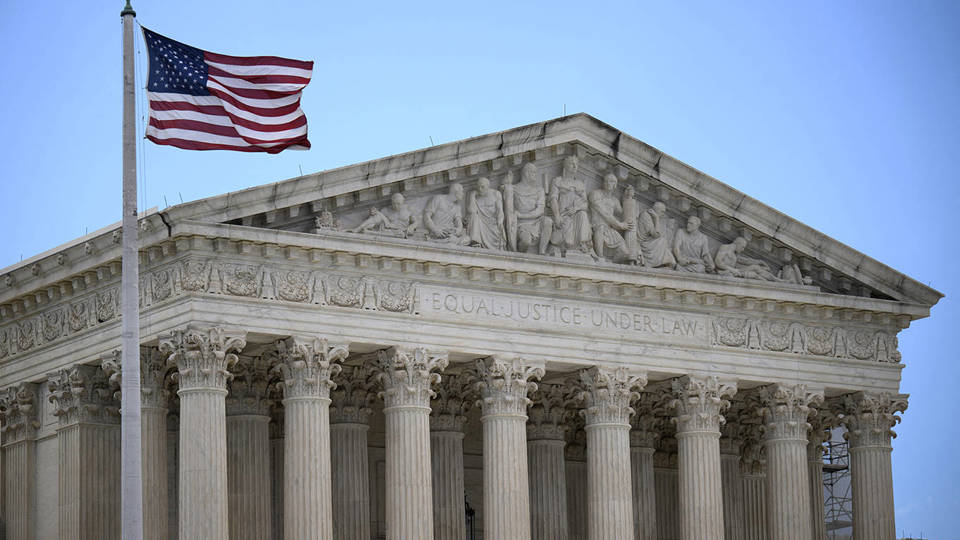
The US Supreme Court has ruled that some of Donald Trump's tariffs on foreign imports are illegal, specifically those levied under the International Emergency Economic Powers Act (IEEPA). This law, enacted in 1977, was designed to limit presidential powers to declare a national emergency to situations where the threat originates from outside the United States. The legality of using the IEEPA to impose tariffs had been in question since the tariffs were announced last year (The Verge). The Supreme Court's decision has significant implications for Trump's economic and foreign policy, as it undermines a central component of his administration's tariff strategy. Following the ruling, there is uncertainty regarding the future direction of US trade policy, with questions about whether Trump will alter his approach or continue to pursue new tariffs based on different legal frameworks (Deutsche Welle, France24). In response to the ruling, Trump criticized the Supreme Court justices, claiming they were influenced by foreign interests and expressing dissatisfaction with their decision (Rolling Stone). Additionally, the ruling has prompted calls from EU lawmakers to delay votes on US trade deals, indicating that the tariff upheaval may have broader implications for international trade relations (Reuters). The new tariffs that Trump announced, which are based on another law, could further complicate global trade dynamics and may lead businesses to adopt more cautious operational strategies, potentially harming the US economy (CNBC).
Advertisement
Cluster Activity
Lindy Score Breakdown (V4.2)
Story Timeline
- 2026-02-20SCOTUS rules Trump’s tariffs are illegal — but the fight is far from over (current)
- 2026-02-21
Score BreakdownRisk 25
Stories gain Lindy status through source reputation, network consensus, and time survival.
Same Story from 11 sources



Breaking Similar stories







Anti-Lindy Similar stories