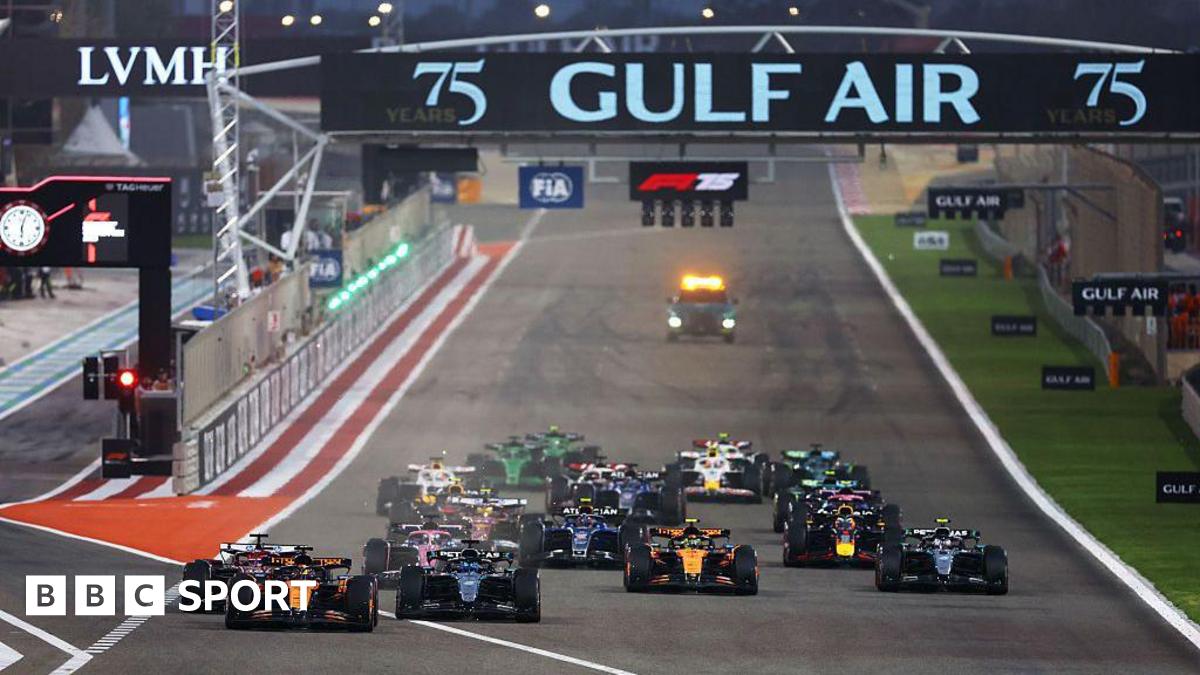
Bahrain and Saudi Arabia F1 race cancellations confirmed due to Iran war
Al Jazeera • 3/13/2026 – 3/15/2026

Summary
Formula 1 has officially cancelled the Grands Prix scheduled to take place in Bahrain and Saudi Arabia in April 2024. This decision was made due to safety concerns arising from the ongoing war in Iran and the broader regional tensions in the Middle East. The cancellations have been confirmed by multiple sources, including Politico, Al Jazeera, and ESPN, which cited the conflict as the primary factor influencing this decision. The situation in the region has raised significant logistical issues, prompting Formula 1 to prioritize the safety of participants and spectators. The Bahrain and Saudi Arabian races were initially planned for next month, but escalating regional tensions have led to their cancellation. Reports indicate that the implications of the Iran war have created an unstable environment for hosting such events. The BBC also confirmed the cancellations, emphasizing that the ongoing conflict has made it untenable to proceed with the races as scheduled. Furthermore, Formula 1 has indicated that there are no plans to replace the cancelled Bahrain and Saudi Arabia races with alternative events later in the year, highlighting the significant impact on the racing calendar. In addition to the Formula 1 cancellations, other sporting events in the region are also affected. Euronews noted that Qatar's MotoGP race has been postponed to November, and the status of the Spain-Argentina Finalissima in Doha remains uncertain. This indicates a broader impact of the Middle East conflict on various sporting events, underscoring the extensive ramifications of the ongoing war. The situation remains fluid, and the impact of regional tensions continues to affect not only Formula 1 but also other sports events scheduled in the area. The decision to cancel the races was widely anticipated, reflecting the serious nature of the current geopolitical situation. The ongoing conflict has raised concerns about safety and logistics, leading to the cancellation of these high-profile events. As the situation evolves, the interconnectedness of global sporting activities and geopolitical stability remains evident, affecting numerous events and travel plans in the region.
Advertisement
Cluster Activity
Lindy Score Breakdown (V4.2)
Story Timeline
- 2026-03-13
- 2026-03-14Bahrain and Saudi Arabia F1 race cancellations confirmed due to Iran war (current)
- 2026-03-15
- 2026-03-18
AnalysisRisk 10
Same Story from 10 sources







Breaking Similar stories



Anti-Lindy Similar stories