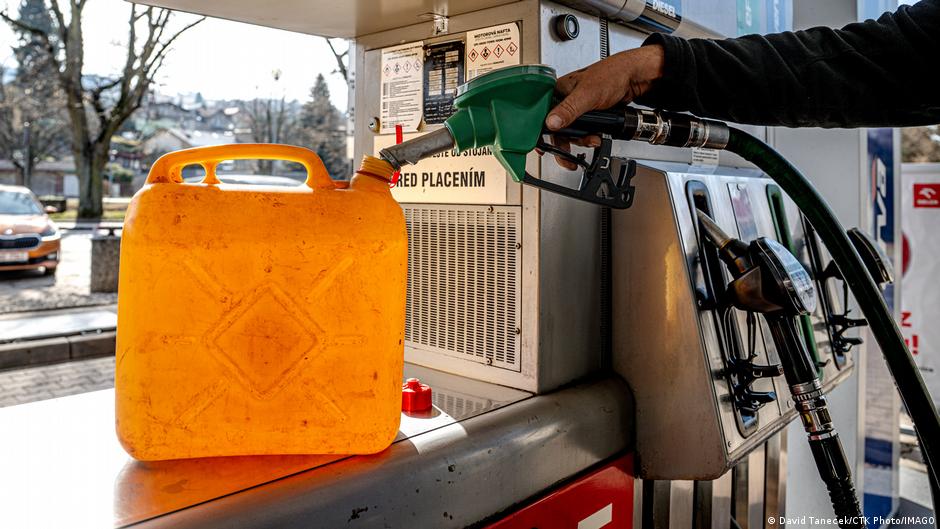
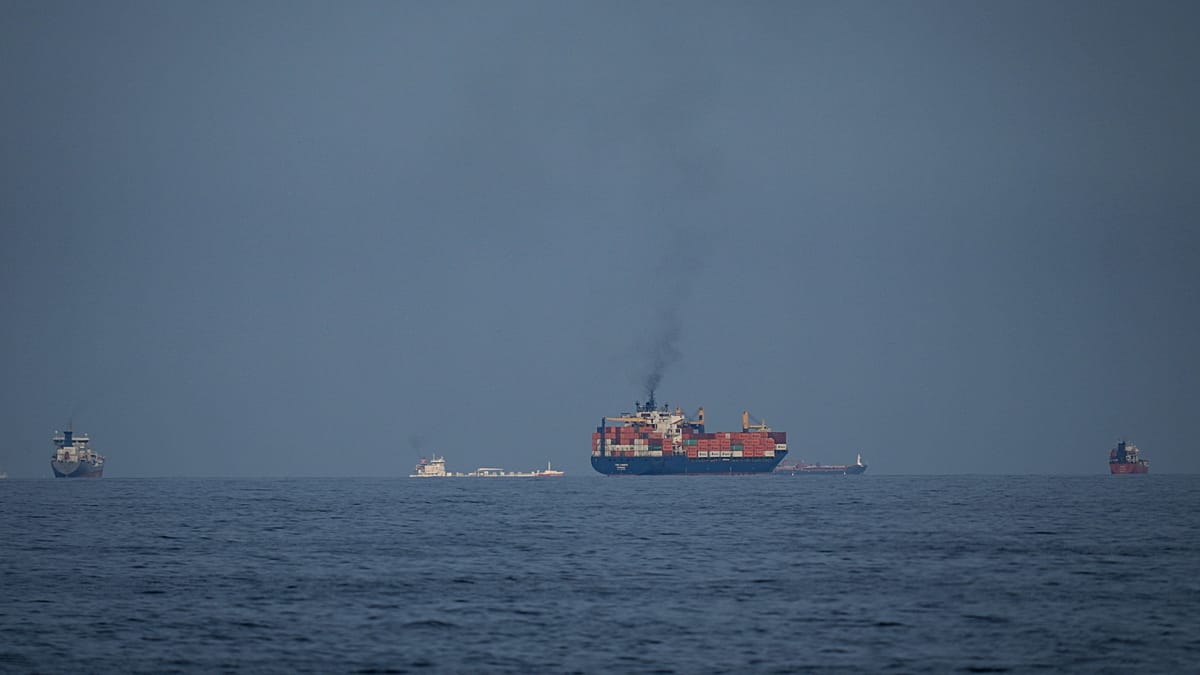
Iran war: Oil prices spike as Iran steps up tanker attacks
Deutsche Welle • 2/15/2026 – 3/12/2026
Summary
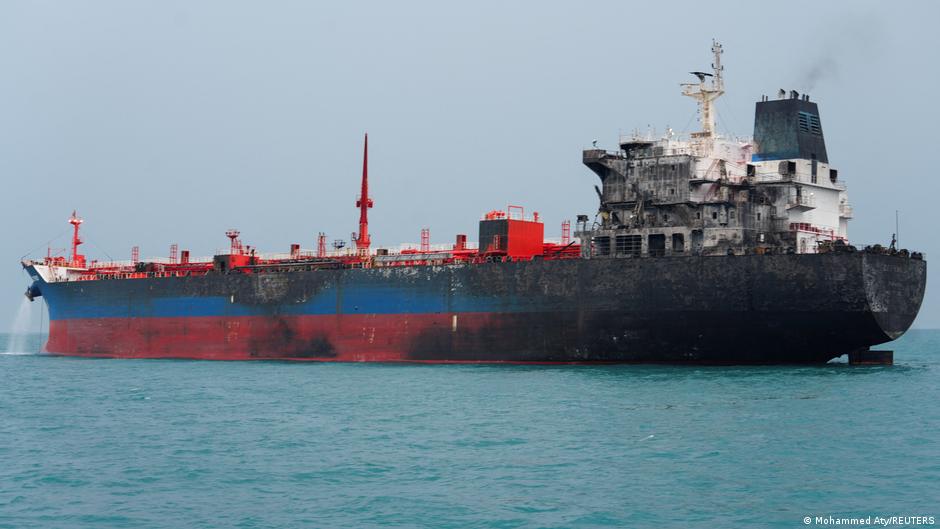
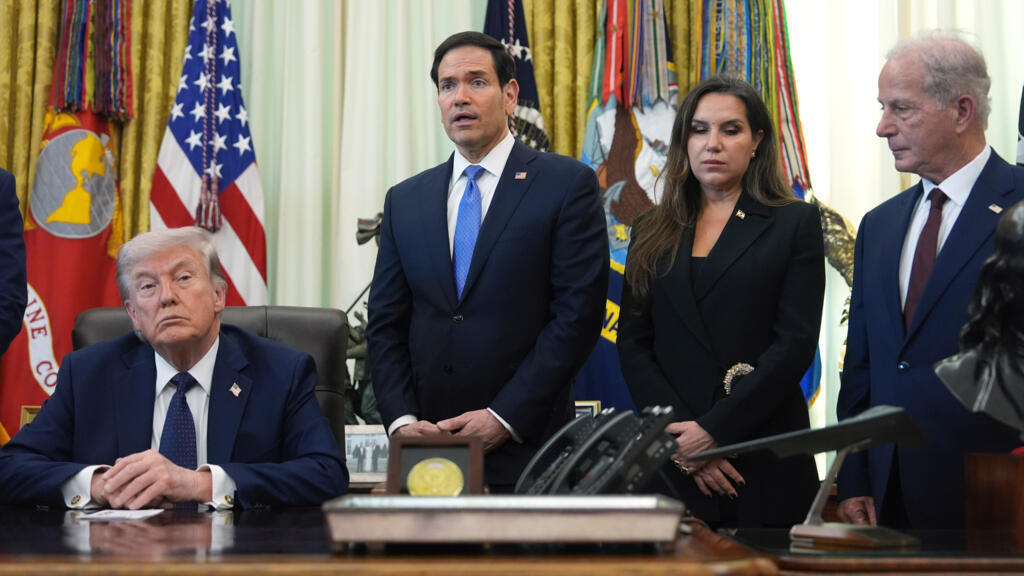
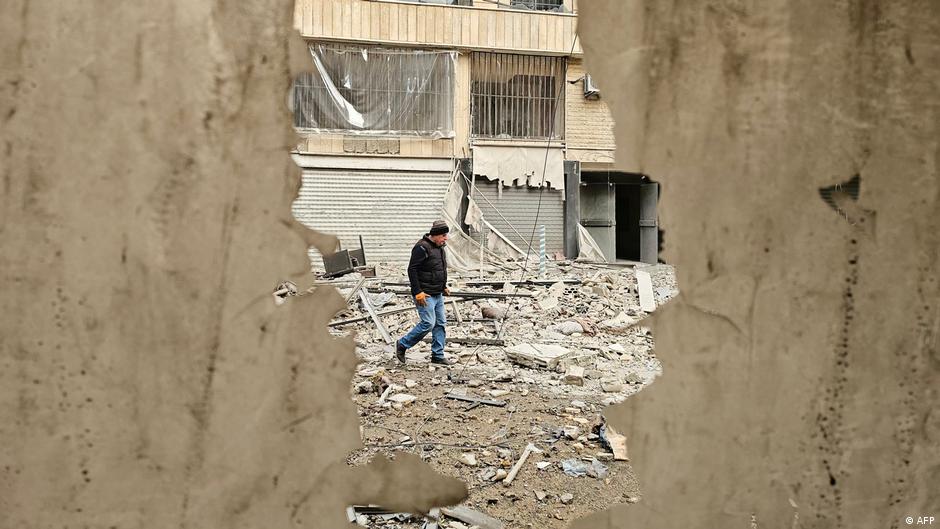
Iran has intensified its attacks on energy infrastructure in the Gulf, leading to significant disruptions in oil operations. Following an attack on two tankers in Iraqi waters, Iraq has paused operations at all of its oil ports. This escalation in hostilities has prompted Oman to evacuate all ships from its main oil export terminal, further impacting the region's oil supply chain. The situation has raised concerns about the security of maritime routes in the Gulf, which are vital for global oil transportation. As a result of these developments, oil prices have surged, with Brent crude rising above $100 a barrel. The spike in oil prices reflects market reactions to the increased risk associated with shipping in the region. Reports indicate that the attacks have included the use of explosives, with two oil tankers reportedly set ablaze off the coast of Iraq. This incident is part of a broader pattern of Iranian strikes that have targeted shipping in the Gulf, bringing the total number of affected vessels in the strategic Strait of Hormuz to at least 16. The ongoing conflict and the Iranian blockade on the region have raised alarms among international observers and market analysts. The situation continues to evolve, with potential implications for global oil markets and regional stability. The attacks defy previous claims by U.S. officials, including former President Trump, regarding the resolution of conflicts in the area. The international community is closely monitoring the developments as tensions remain high in the Gulf.
Advertisement
Cluster Activity
Lindy Score Breakdown (V4.2)
Story Timeline
- 2026-02-15
- 2026-02-16
- 2026-02-17
- 2026-02-18
- 2026-02-20
- 2026-02-22
- 2026-02-28
- 2026-03-01
Score BreakdownRisk 25
Stories gain Lindy status through source reputation, network consensus, and time survival.
Same Story from 11 sources





Breaking Similar stories






Anti-Lindy Similar stories