Iran War Live Updates: Israel Escalates Attacks in Lebanon as Iran Strikes Near Tel Aviv
The New York Times • 2/15/2026 – 3/18/2026
Summary
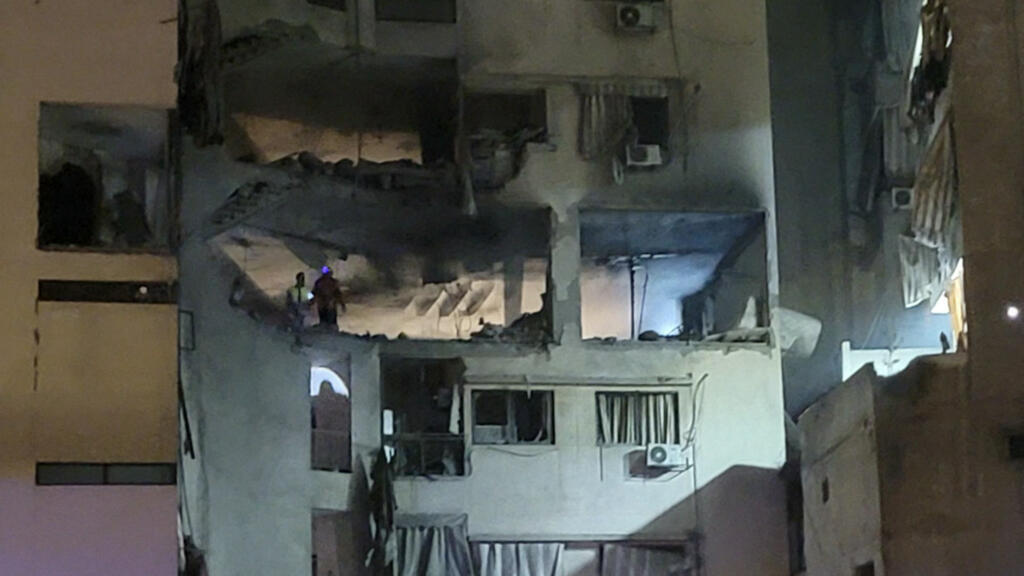
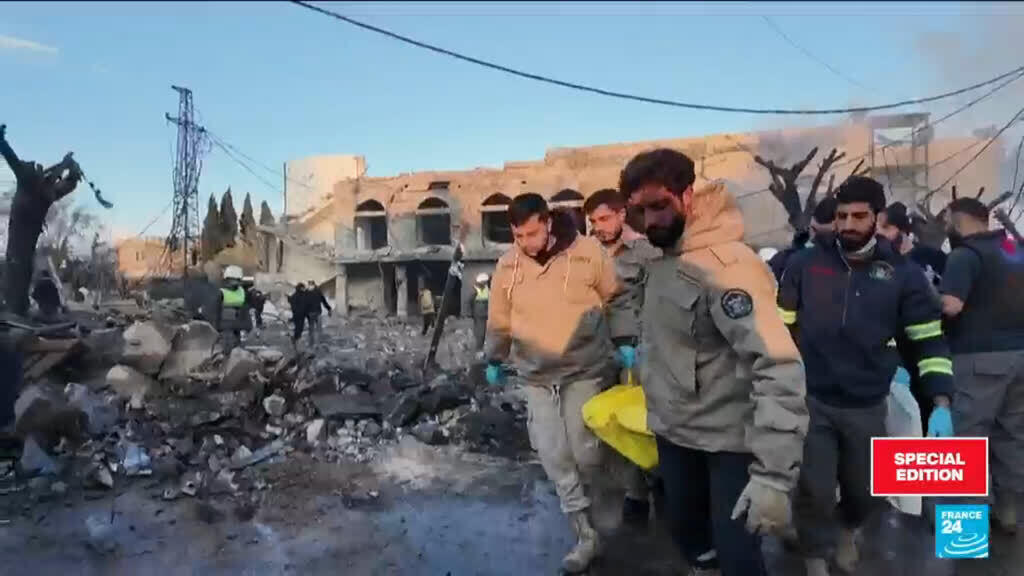
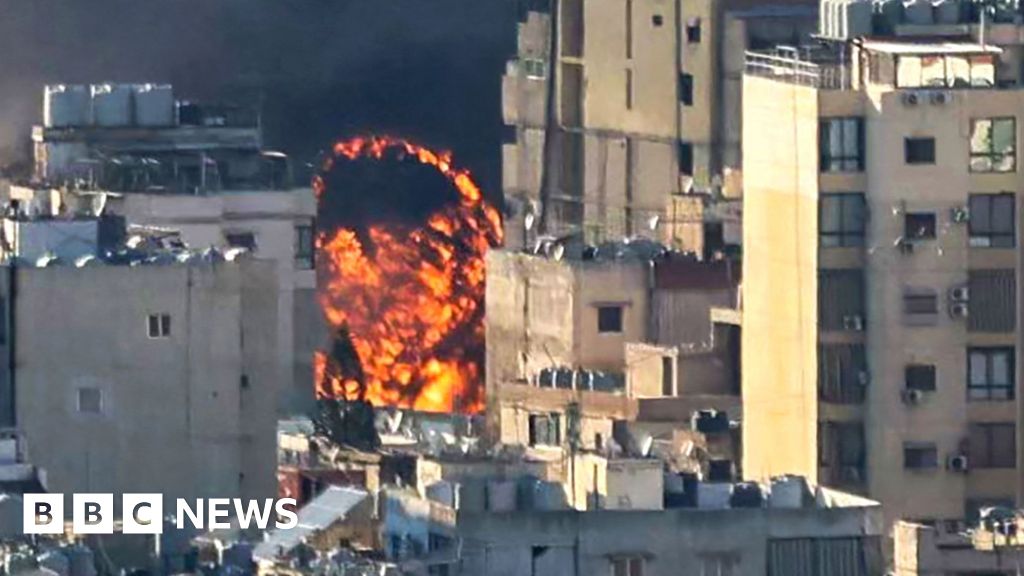
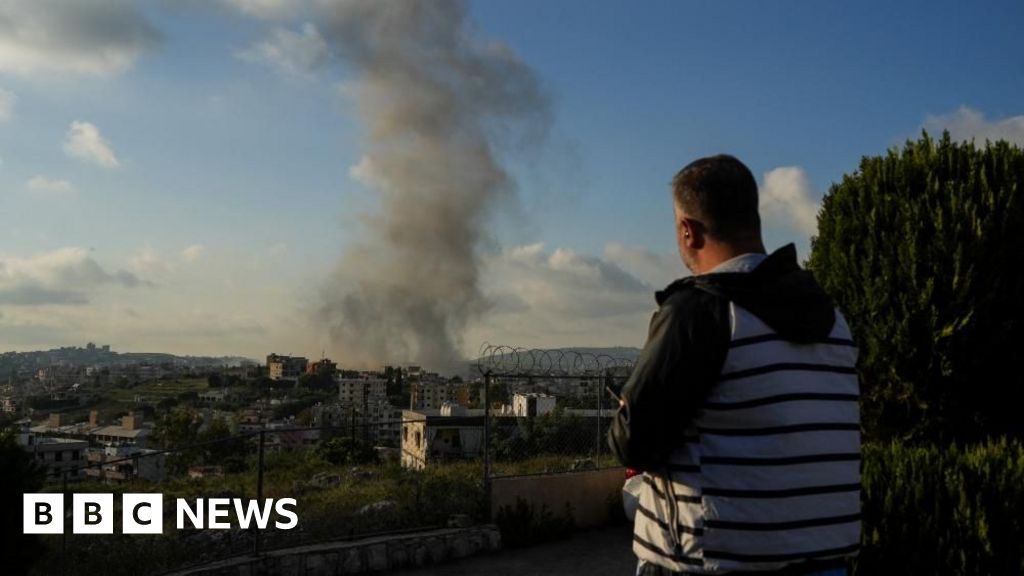
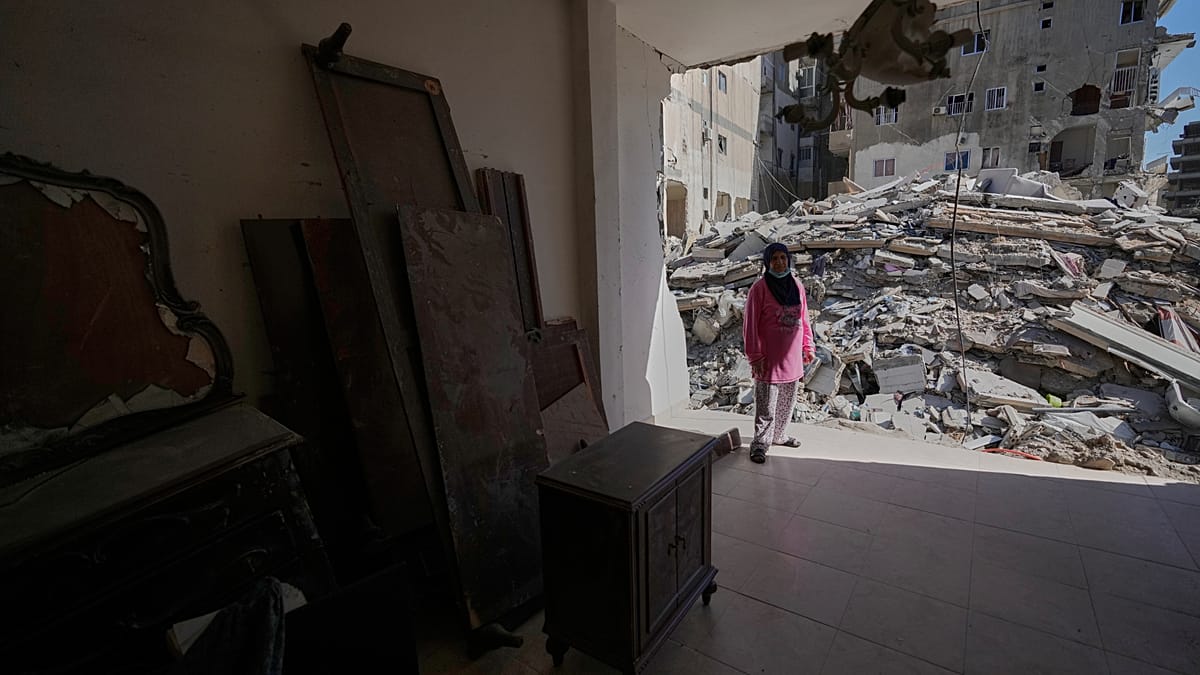
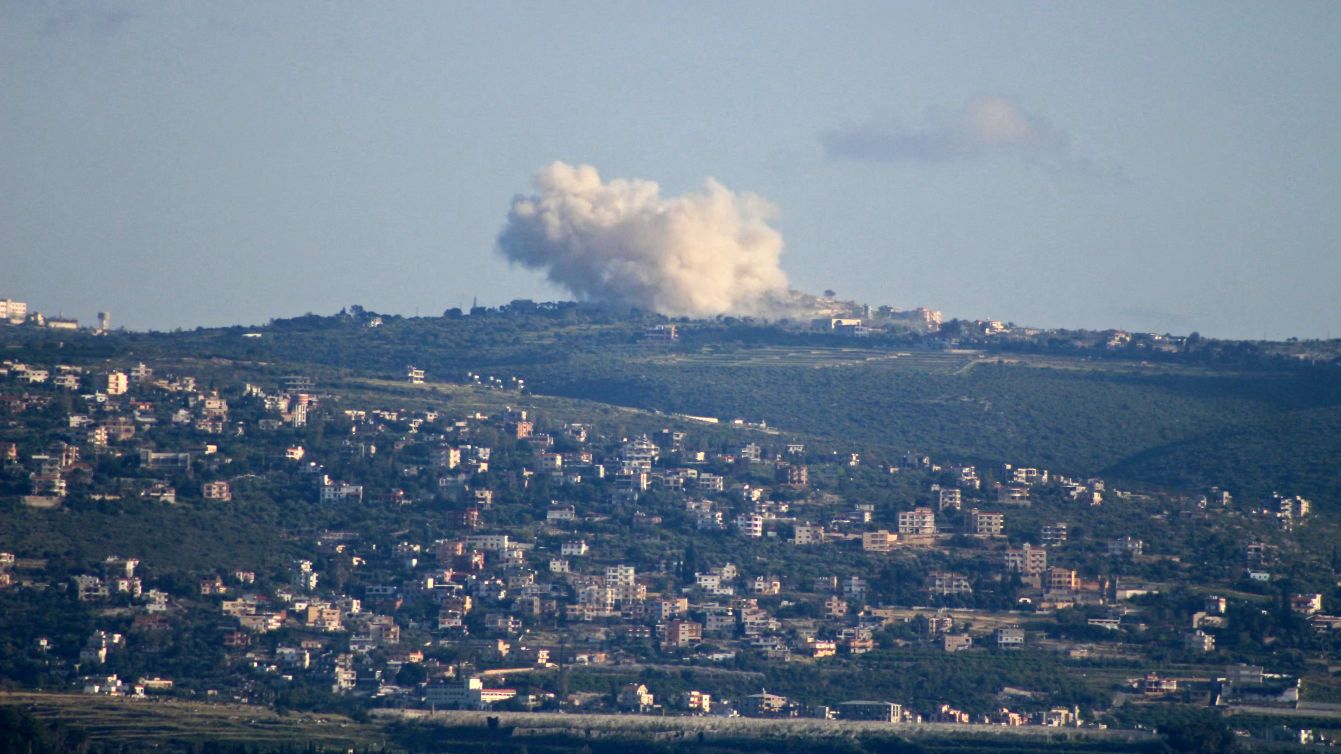
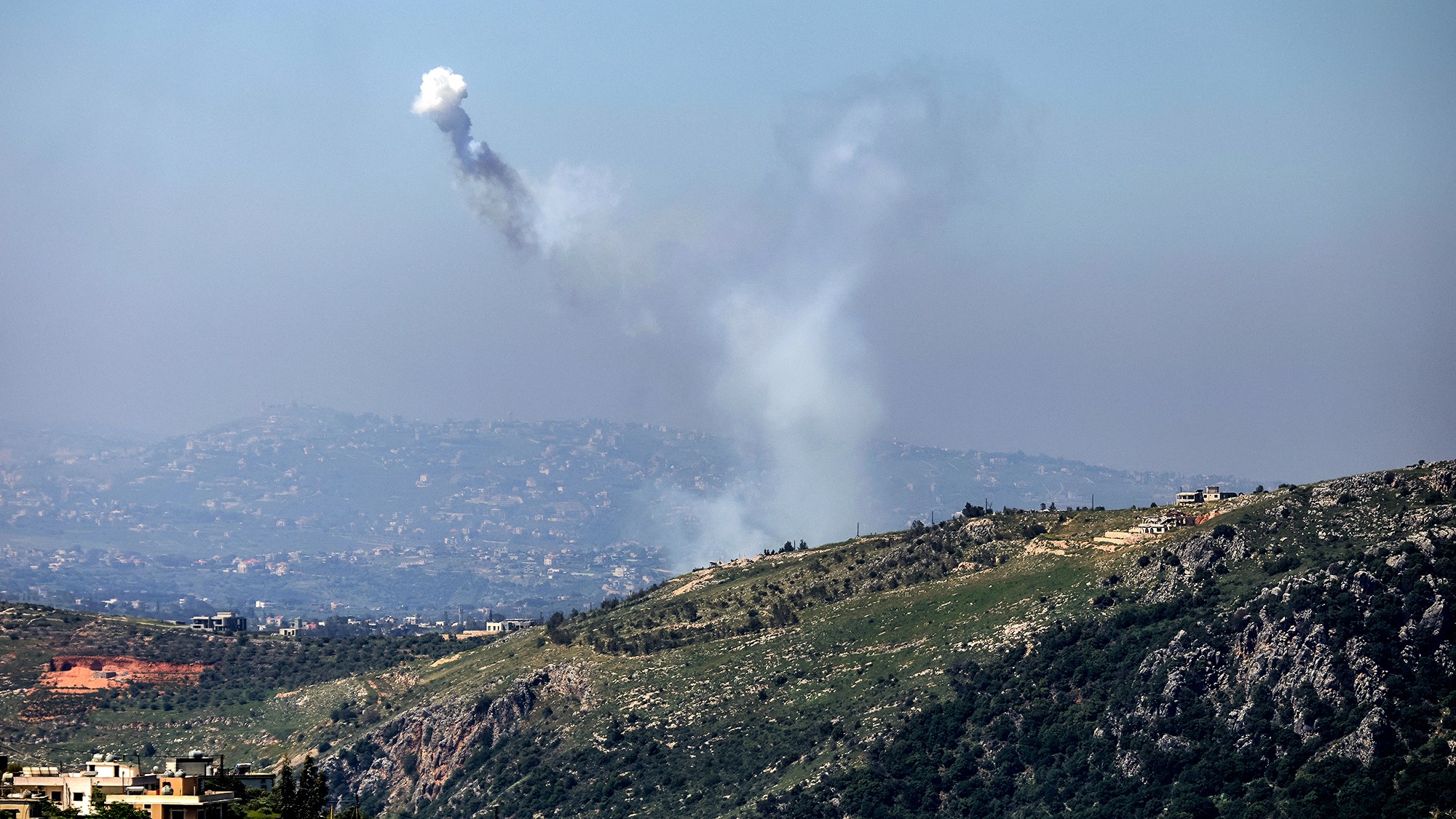
Israel has intensified its military operations against Hezbollah militants in Lebanon, conducting deadly strikes in Beirut and other cities. This escalation follows Iran's missile strikes near Tel Aviv, which were a retaliation for the killing of its de facto leader. The Iranian attacks resulted in the deaths of two individuals in Israel, marking a significant increase in hostilities between the two nations. In response to the ongoing conflict, Israel has issued a forced evacuation order for the entire Dahiyeh area of Beirut, which is home to hundreds of thousands of residents. This move is part of Israel's broader strategy to target areas associated with Hezbollah, reflecting the heightened tensions in the region. The situation has led to fears of further escalation, particularly given the strategic importance of the South Pars gas field in Iran, which has been affected by recent strikes. The conflict has also impacted global energy markets, with rising oil prices following the attacks on Iran's key gas facilities. The situation remains volatile, as Iran's retaliatory actions have included strikes on Qatari gas facilities, further complicating the regional dynamics. Additionally, UAE authorities reported dismantling a "terrorist network" funded and operated by Hezbollah and Iran, which underscores the broader implications of the conflict beyond the immediate military engagements.
Advertisement
Cluster Activity
Lindy Score Breakdown (V4.2)
Story Timeline
- 2026-02-15
- 2026-02-16
- 2026-02-17
- 2026-02-18
- 2026-02-20
- 2026-02-22
- 2026-02-28
- 2026-03-01
AnalysisRisk 10
Same Story from 11 sources




Breaking Similar stories

Anti-Lindy Similar stories