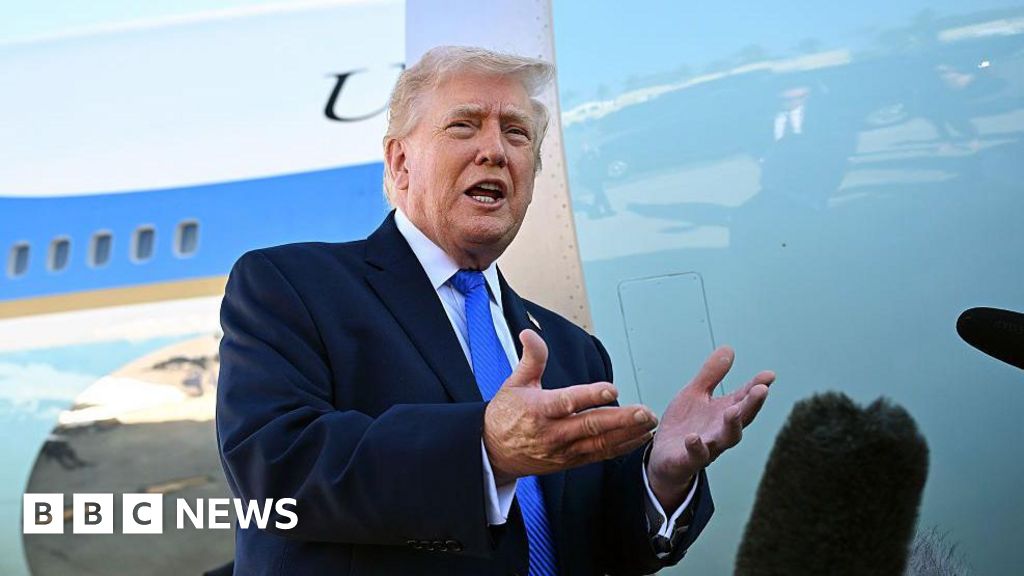
Trump seeks to delay meeting with Xi in China
BBC • 2/15/2026 – 3/17/2026
Summary
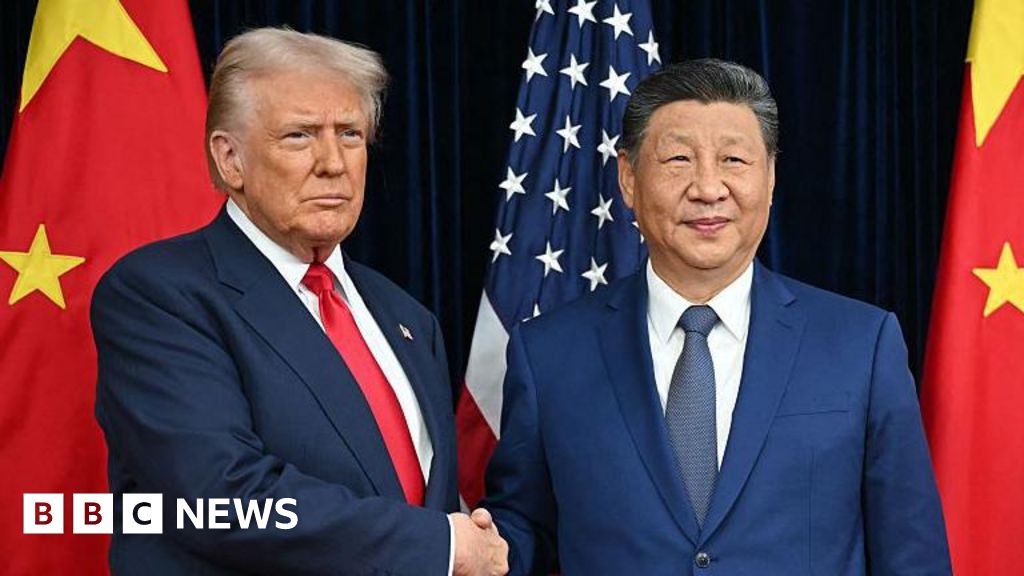
U.S. President Donald Trump has requested to delay his upcoming trip to China, originally scheduled for early April, by approximately one month. This decision is primarily due to the ongoing war in Iran, which has escalated and is impacting U.S.-China relations. The planned summit with Chinese President Xi Jinping was intended to address various issues, including trade and technology conflicts, but the current situation in Iran has shifted the focus of Trump's agenda (AP News, CBS News, The Washington Post). Beijing has confirmed that it remains in communication with Washington regarding the landmark visit. Chinese analysts view the delay as a strategic opportunity that could lead to more substantive results in U.S.-China relations. They suggest that the shift in timing is unlikely to derail the momentum towards stabilizing ties between the two global powers (South China Morning Post). However, the U.S. is seeking China's assistance in ensuring safe passage for ships through the Strait of Hormuz, a critical area for global oil shipping routes, which complicates the diplomatic landscape (CBS News, The Washington Post). The postponement of the summit reflects the complexities of international relations amid the Iran war. As tensions rise, vital issues affecting both the U.S. and China are being thrown into uncertainty. The delay may hinder progress on previously planned discussions and negotiations, further complicating the already fragile relationship between the two nations (The Washington Post, CBS News). This situation highlights how external conflicts can influence diplomatic engagements and reshape global agendas (The Hindu, CBS News).
Advertisement
Cluster Activity
Lindy Score Breakdown (V4.2)
Story Timeline
- 2026-02-15
- 2026-02-16
- 2026-02-17
- 2026-02-18
- 2026-02-20
- 2026-02-22
- 2026-02-28
- 2026-03-01
AnalysisRisk 10
Same Story from 11 sources









Breaking Similar stories




Anti-Lindy Similar stories