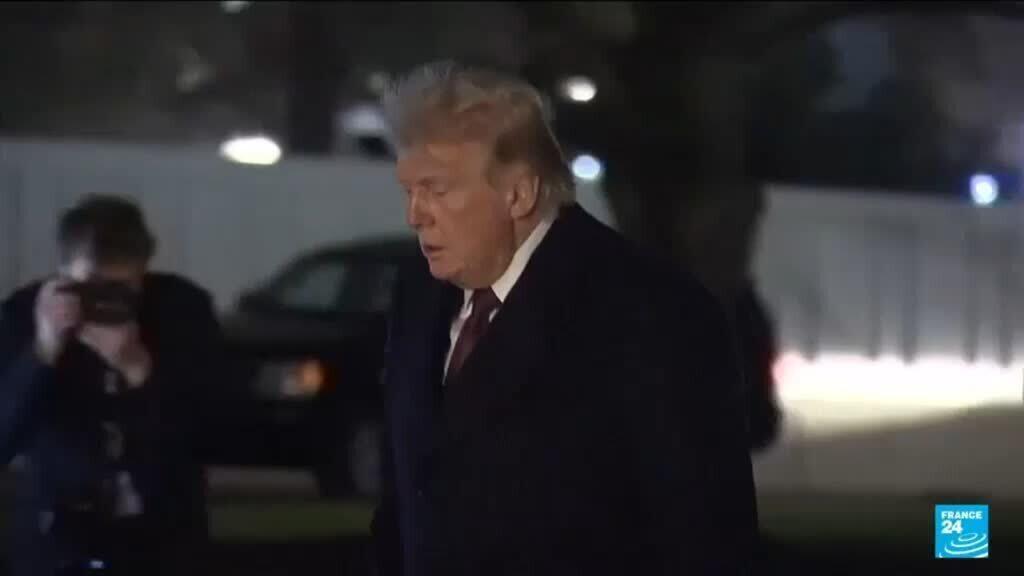
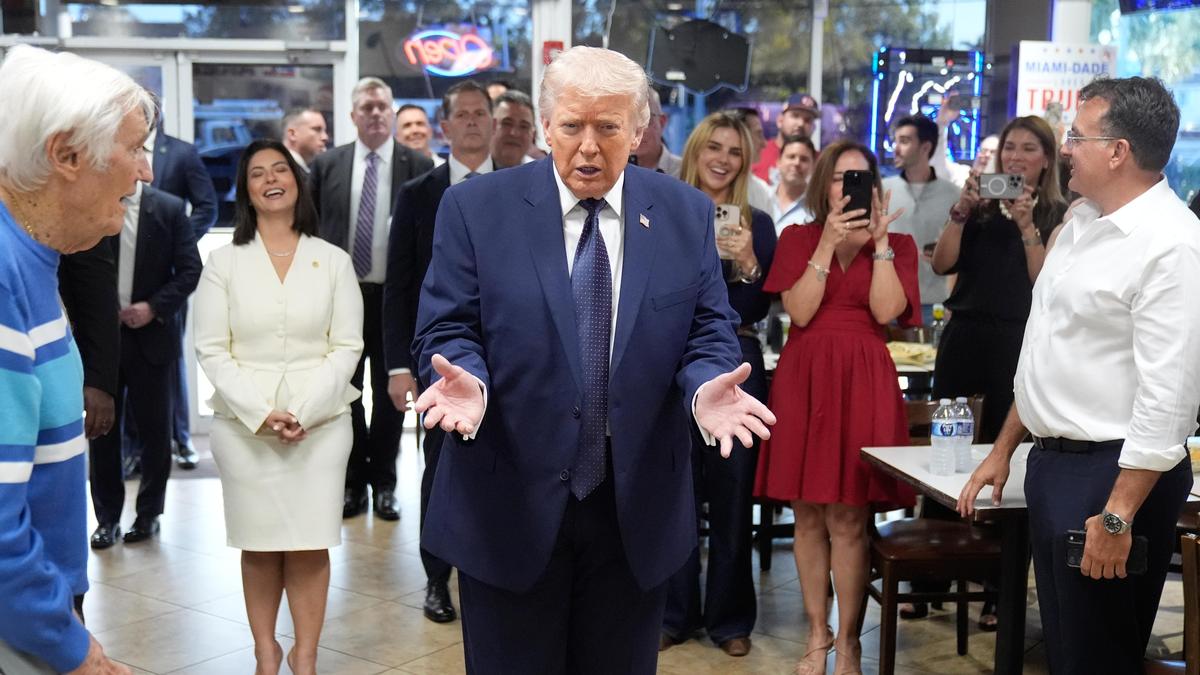
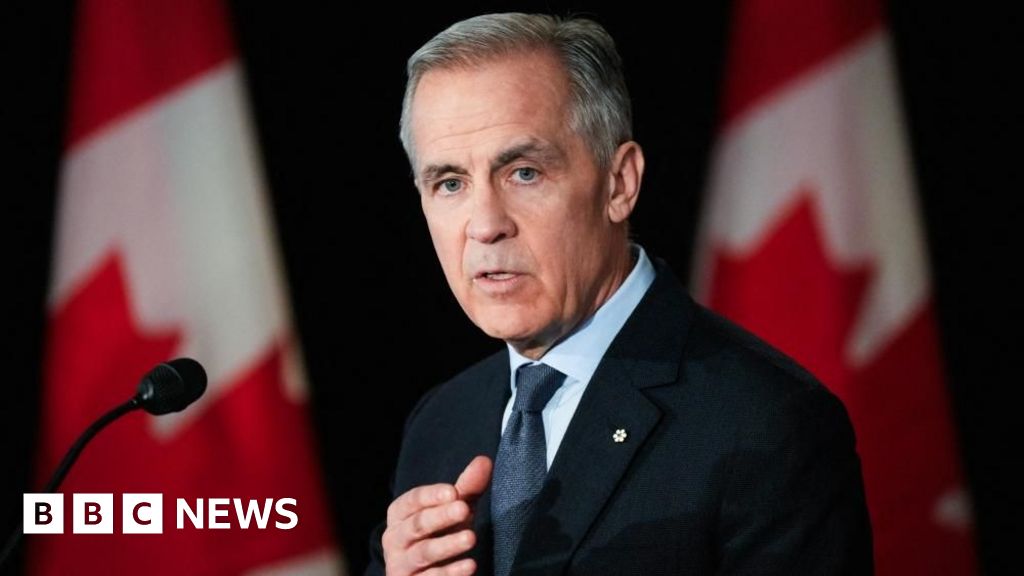
Trump escalates Carney feud after Davos dust-up - Axios
Google News • 1/23/2026
Summary
Former President Donald Trump intensified his ongoing dispute with Canadian Prime Minister Justin Trudeau following a confrontation at the World Economic Forum in Davos. In response to the altercation, Trump rescinded Canada's invitation to join his newly proposed "Board of Peace," a group he claims is comprised of influential global leaders. This decision, announced recently, marks a significant diplomatic snub and highlights the tensions between the U.S. and Canada. The implications of this feud extend beyond immediate political drama, reflecting deeper historical patterns of U.S.-Canada relations, which have often been characterized by both cooperation and contention. Trump's actions resonate with a broader trend of populist leaders prioritizing nationalistic agendas, sometimes at the expense of traditional alliances. The "Board of Peace" concept itself raises questions about the nature of international collaboration in an era where unilateralism is increasingly prevalent. This incident underscores the fragility of diplomatic ties and the potential for personal conflicts among leaders to disrupt established partnerships, making it a noteworthy case study in contemporary international relations.
Advertisement
Lindy Score Breakdown (V4.2)
Story Timeline
- 2026-01-23Trump escalates Carney feud after Davos dust-up - Axios (current)
Score BreakdownRisk 25
Stories gain Lindy status through source reputation, network consensus, and time survival.
Same Story from 7 sources


Breaking Similar stories




Anti-Lindy Similar stories