Trump Rescinds Canada’s Invitation to Join His ‘Board of Peace’
The New York Times • 1/23/2026
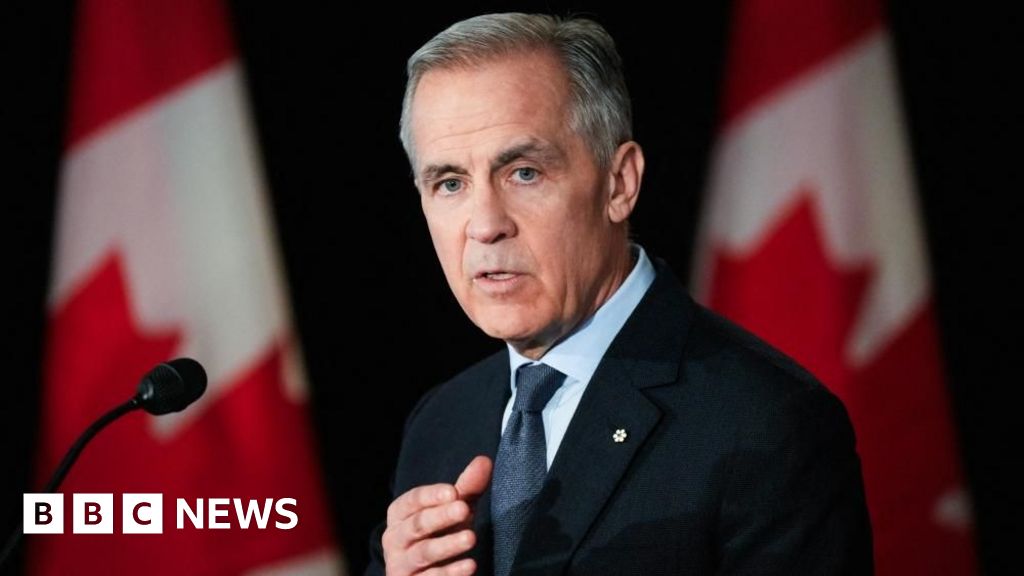
Summary
President Donald Trump recently revoked Canada's invitation to participate in his proposed "Board of Peace," a move interpreted as a reaction to Canadian Prime Minister Mark Carney's critical comments regarding Trump's attempts to undermine the global order. This incident unfolded within the context of ongoing tensions between the U.S. and Canada, particularly concerning international diplomacy and trade relations. This development highlights the ongoing friction in U.S.-Canada relations, particularly under Trump's administration, which has often prioritized unilateralism over multilateral cooperation. The rejection of Carney's remarks underscores a broader trend of rising nationalism and skepticism towards established international frameworks, reflecting a significant shift in global political dynamics. The implications of this incident extend beyond immediate diplomatic exchanges, as it illustrates the challenges faced by traditional alliances in an era marked by populism and isolationist policies. As nations navigate these turbulent waters, the ability to maintain collaborative relationships will be crucial for addressing global issues such as climate change, security, and economic stability. This situation serves as a reminder of the delicate balance required in international relations and the potential consequences of fracturing long-standing partnerships.
Advertisement
Lindy Score Breakdown (V4.2)
Story Timeline
- 2026-01-23Trump Rescinds Canada’s Invitation to Join His ‘Board of Peace’ (current)
AnalysisRisk 10
Same Story from 7 sources


Breaking Similar stories

Anti-Lindy Similar stories