US, Iran weigh peace plan as Trump vows ‘hell’ if Strait of Hormuz stays shut
The Straits Times • 4/4/2026 – 4/6/2026
Summary
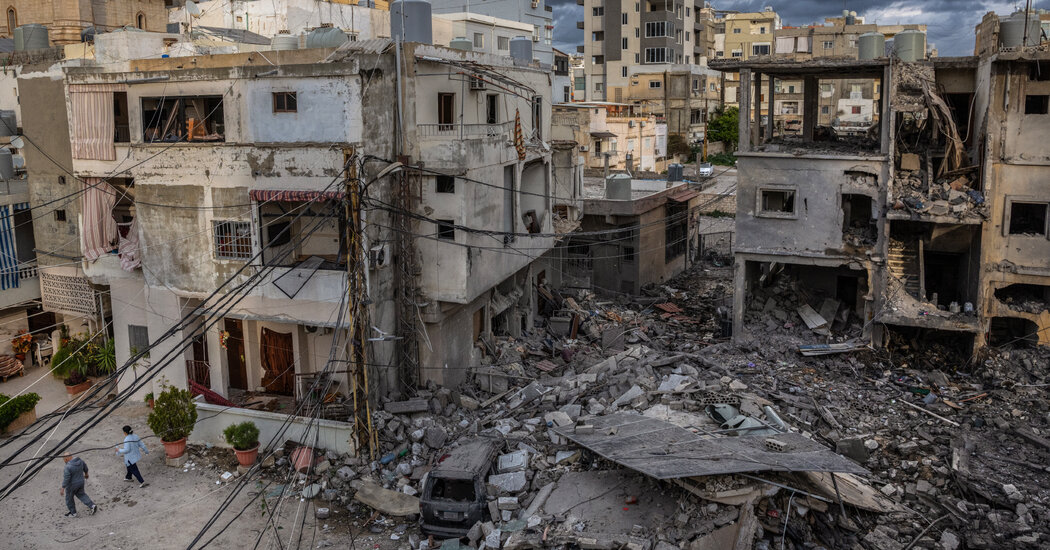
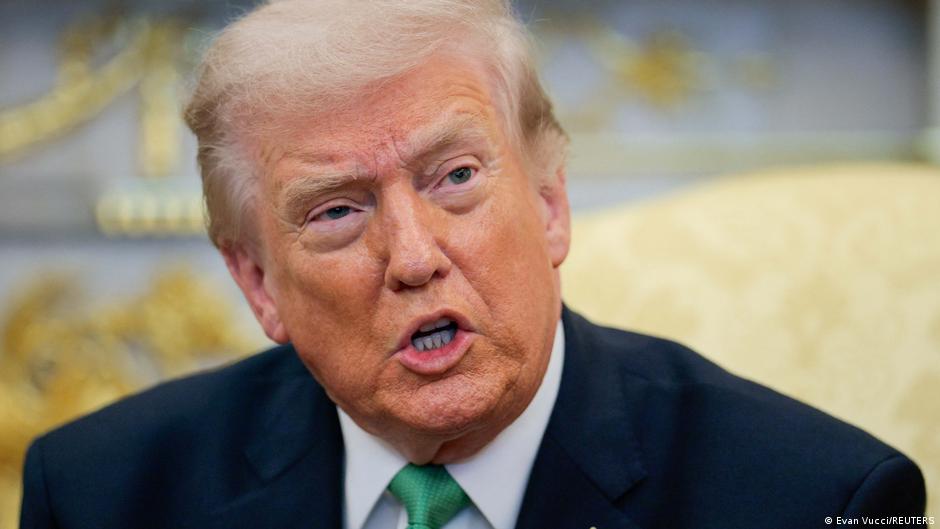
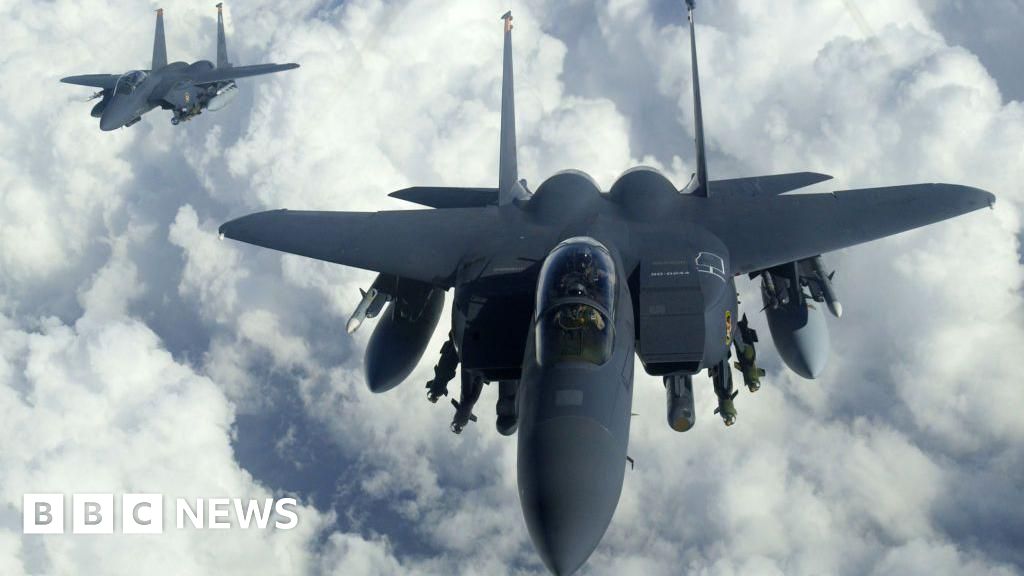
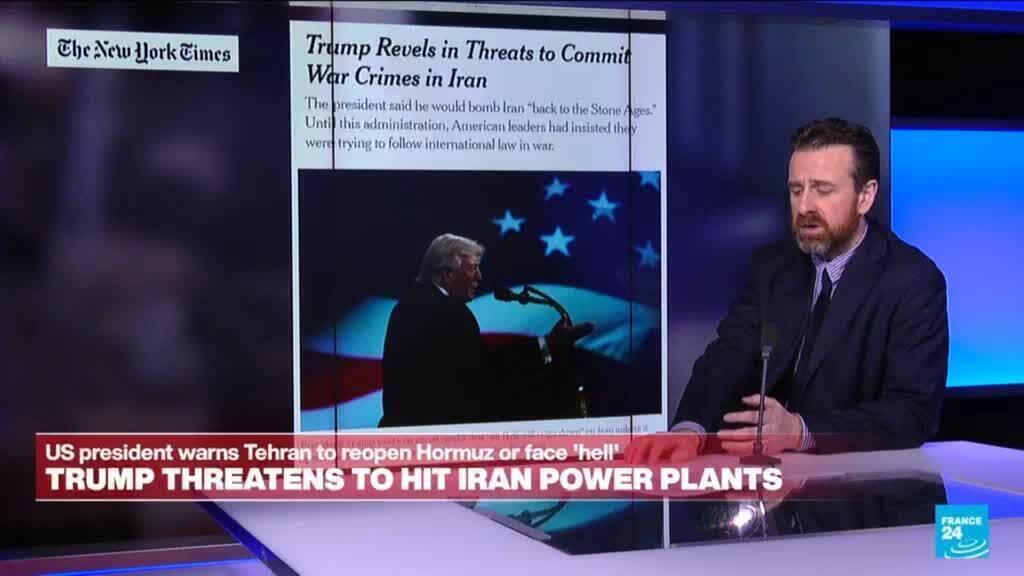
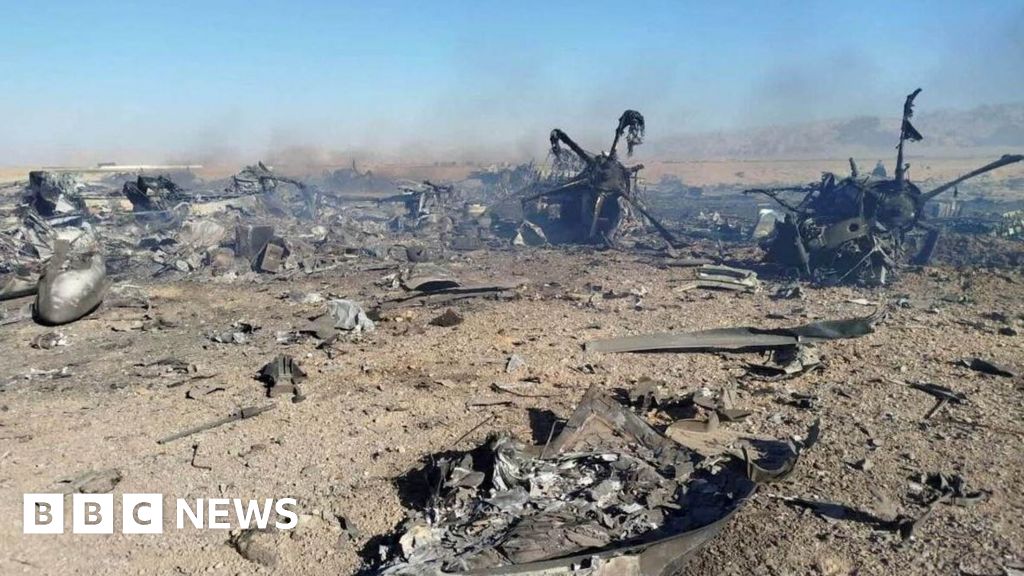
The ongoing military tensions between the United States and Iran have escalated, highlighted by Iran's recent downing of an F-15E, marking the first instance of a U.S. warplane being shot down in the current conflict. This incident underscores the heightened risks faced by U.S. military personnel in the region. Additionally, Iranian media reported that a projectile struck the perimeter of a nuclear power plant in southwest Iran, resulting in one fatality (The New York Times). In response to the escalating situation, discussions are ongoing between the U.S., Iran, and mediators regarding a potential 45-day ceasefire. This diplomatic effort reflects the urgent need for de-escalation amid the ongoing conflict (Reuters). The U.S. has issued stern warnings to Iran, vowing severe consequences if the Strait of Hormuz remains closed, emphasizing the strategic importance of this maritime route (The Straits Times). President Trump has stated that there would be "hell" to pay if the Strait of Hormuz stays shut. Furthermore, a recent U.S. rescue mission aimed at retrieving a downed airman faced significant challenges and nearly failed. Reports indicate that Israeli intelligence played a crucial role in the success of this operation, providing vital information that assisted U.S. forces in executing the rescue (The Straits Times, Reuters). Overall, the situation in Iran continues to evolve, with military actions and diplomatic negotiations occurring concurrently, highlighting the complexities of U.S.-Iran relations in the current climate.
Advertisement
Cluster Activity
Lindy Score Breakdown (V4.2)
Story Timeline
- 2026-04-04
- 2026-04-05
- 2026-04-06US, Iran weigh peace plan as Trump vows ‘hell’ if Strait of Hormuz stays shut (current)
Score BreakdownRisk 45
Stories gain Lindy status through source reputation, network consensus, and time survival.
Same Story from 11 sources




Breaking Similar stories



Anti-Lindy Similar stories