Governments' actions in response to oil price surge and the Middle East conflict
Reuters • 3/2/2026 – 3/9/2026
Summary
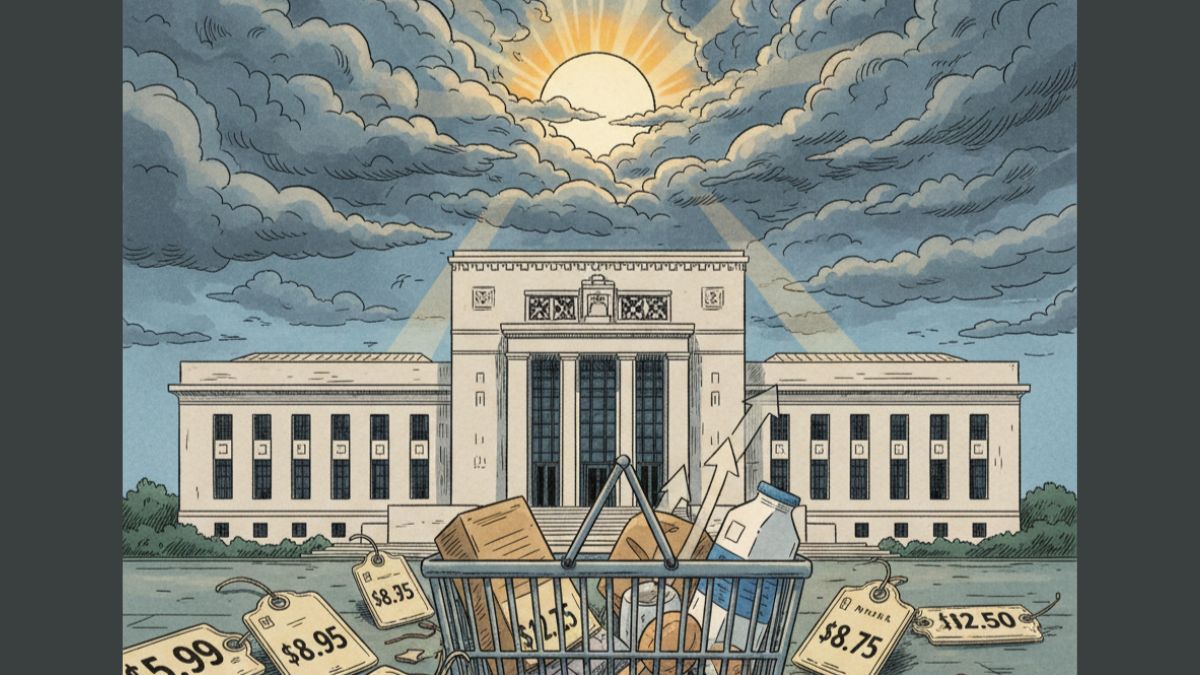
Oil prices surged on March 9, reaching nearly $120 a barrel as the U.S.-Israeli war against Iran continued into its second week. This conflict has prompted various governments to take action in response to the escalating energy crisis. The European Union's chief has indicated that the effects of the war are already being felt in Europe, highlighting the urgency of the situation as countries scramble to mitigate the impact on energy supplies (The Hindu). In Qatar, the ongoing conflict has led to significant workforce reductions at the North Field Expansion liquefied natural gas (LNG) project. Reports indicate that the workforce has been cut by 50 percent due to security concerns associated with the war on Iran, which has now entered its third week. Additionally, Qatar has halted production at its existing LNG facility, which has a capacity of 77 million tonnes per year, and declared force majeure on shipments. The North Field expansion is crucial for Qatar, aiming to increase LNG output to 126 million tonnes per year by 2027, making disruptions to this project potentially impactful on global energy markets (Middle East Eye). The conflict has also affected shipping insurance, with insurers canceling war risk coverage due to the heightened risks associated with the Iran conflict. This development further complicates the already strained global energy supply chain, as the U.S. has seen a surge in pump prices linked to the disruptions caused by the war (Reuters). The situation remains fluid, with ongoing developments likely to influence energy markets and government responses in the coming weeks (Reuters).
Advertisement
Cluster Activity
Lindy Score Breakdown (V4.2)
Story Timeline
- 2026-03-02
- 2026-03-03
- 2026-03-04
- 2026-03-05
- 2026-03-06
- 2026-03-07
- 2026-03-09Governments' actions in response to oil price surge and the Middle East conflict (current)
- 2026-03-10
AnalysisRisk 10
Same Story from 11 sources



Breaking Similar stories

Anti-Lindy Similar stories
