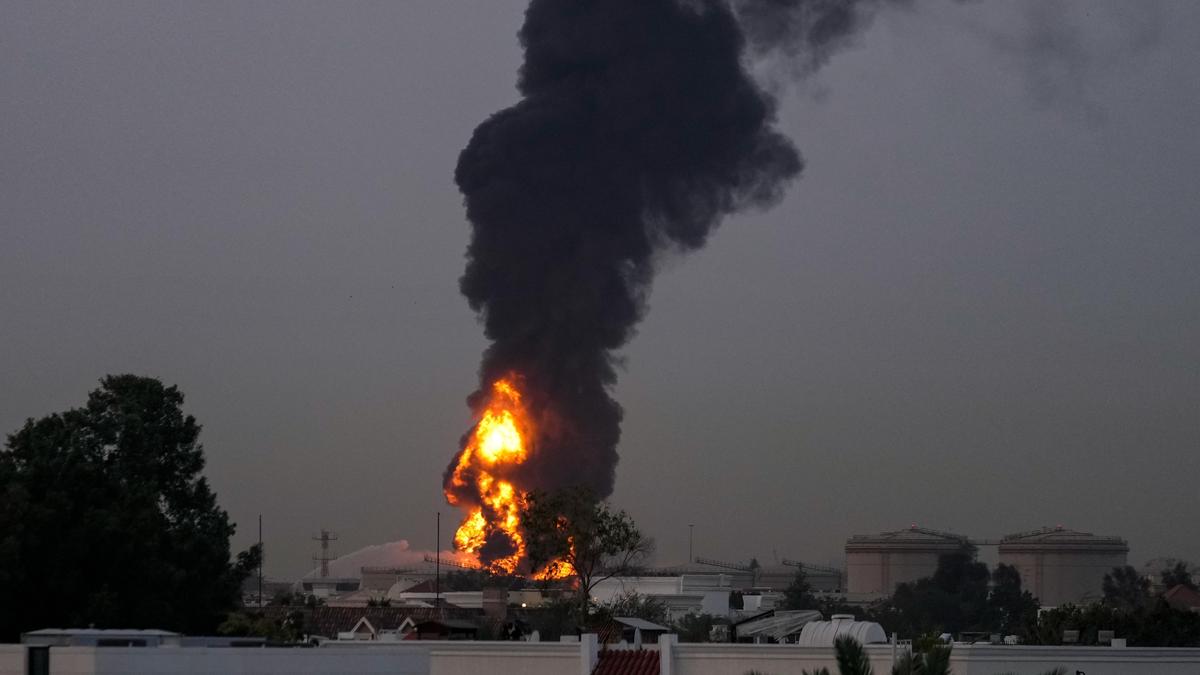
Oil on Fire: War impacts global energy markets
Al Jazeera • 3/2/2026 – 3/4/2026

Summary
Oil prices have surged significantly due to fears of supply disruptions amid the escalating conflict involving the United States, Israel, and Iran. Brent crude oil prices rose to approximately $92.69 a barrel, marking an increase of 8.5 percent for the day and nearly 30 percent for the week. This spike in prices is largely attributed to concerns over the Strait of Hormuz, a critical shipping route through which about 20 percent of the world’s oil supply passes. Iran has threatened to block traffic in this strategic waterway, raising alarms among traders and energy markets (Al Jazeera, Middle East Eye). The ongoing conflict has led to widespread chaos in the Middle East, disrupting important shipping routes for oil and other goods. Reports indicate that since the onset of U.S. and Israeli strikes on Iran, traffic through the Strait of Hormuz has been blocked for several days due to fears of Iranian attacks on shipping vessels (France24). The situation has prompted U.S. President Donald Trump to announce that the U.S. will provide political risk insurance for vessels navigating through the strait in an attempt to mitigate rising prices (France24). As the conflict continues, oil prices are expected to remain on an upward trajectory, with little indication of easing concerns over the safety of the Strait of Hormuz. The situation is not only affecting oil prices but is also creating ripple effects that could impact global energy markets and the economics of other conflicts, such as Russia's war in Ukraine (Euronews, France24). The interplay of these geopolitical tensions is likely to keep energy markets volatile in the near future.
Advertisement
Cluster Activity
Lindy Score Breakdown (V4.2)
Story Timeline
- 2026-03-02
- 2026-03-03
- 2026-03-04Oil on Fire: War impacts global energy markets (current)
- 2026-03-05
- 2026-03-06
- 2026-03-07
- 2026-03-09
- 2026-03-10
AnalysisRisk 10
Same Story from 11 sources



Breaking Similar stories






Anti-Lindy Similar stories