What happens next after the Supreme Court slapped down President Donald Trump’s tariffs
Chicago Tribune • 2/20/2026 – 2/21/2026
Summary
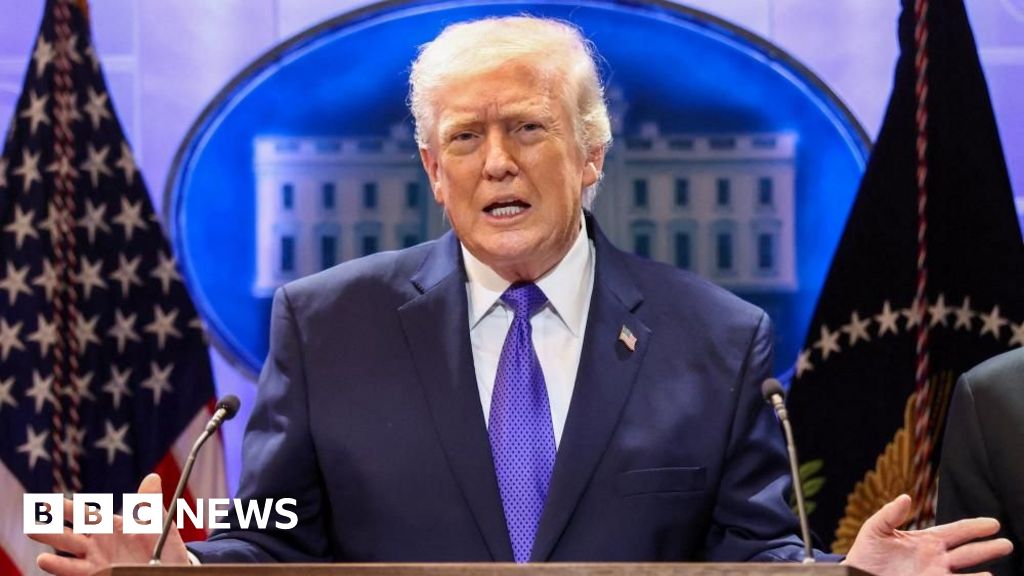
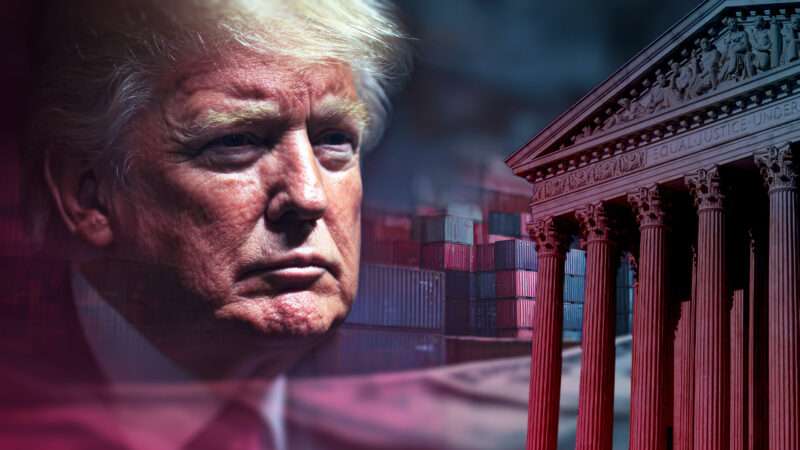
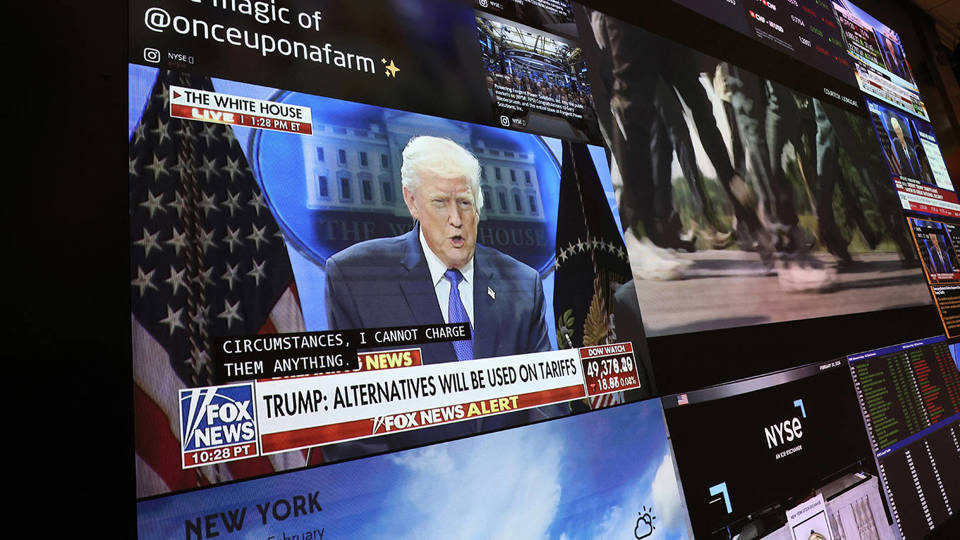
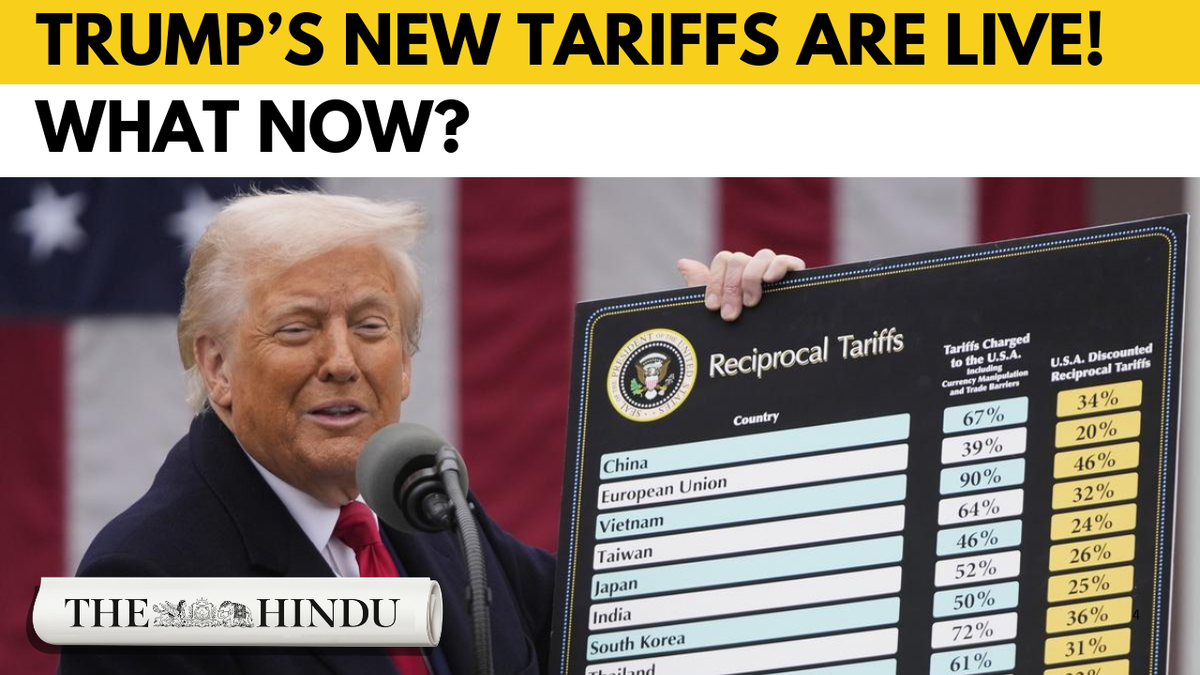
The U.S. Supreme Court has ruled against President Donald Trump's tariffs, leading to significant changes in trade policy. Following this ruling, the White House is preparing to impose a 15 percent tariff on all imports under Section 122. This decision has triggered economic uncertainty and stalled existing trade deals, as noted by Al Jazeera. The new tariffs are expected to have a broad impact on the global economy, raising concerns among international trade partners. In response to the tariff upheaval, European Union lawmakers have postponed a vote on a U.S. trade deal for the second time. This suspension follows a previous halt in their work on the deal, which was initially prompted by Trump's controversial demands regarding Greenland. The ongoing tariff situation has created a climate of uncertainty that is affecting negotiations and relationships between the U.S. and its trading partners, particularly within the EU. The implications of the Supreme Court's ruling and the subsequent tariff imposition are significant, as they may alter the dynamics of international trade. The uncertainty surrounding these tariffs is causing delays in trade agreements and could potentially lead to broader economic repercussions. As the situation develops, stakeholders in the global economy are closely monitoring the effects of these tariffs and the responses from other nations.
Advertisement
Cluster Activity
Lindy Score Breakdown (V4.2)
Story Timeline
- 2026-02-20
- 2026-02-21What happens next after the Supreme Court slapped down President Donald Trump’s tariffs (current)
Score BreakdownRisk 25
Stories gain Lindy status through source reputation, network consensus, and time survival.
Same Story from 11 sources



Breaking Similar stories
Anti-Lindy Similar stories