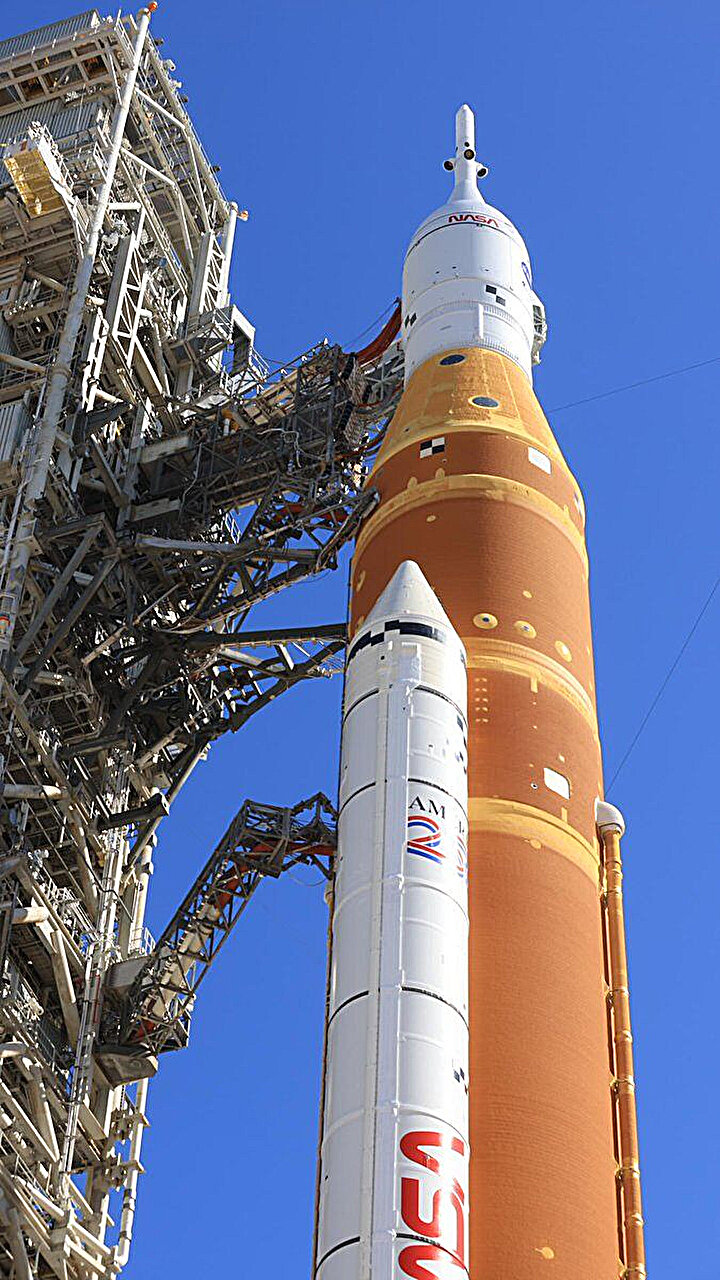
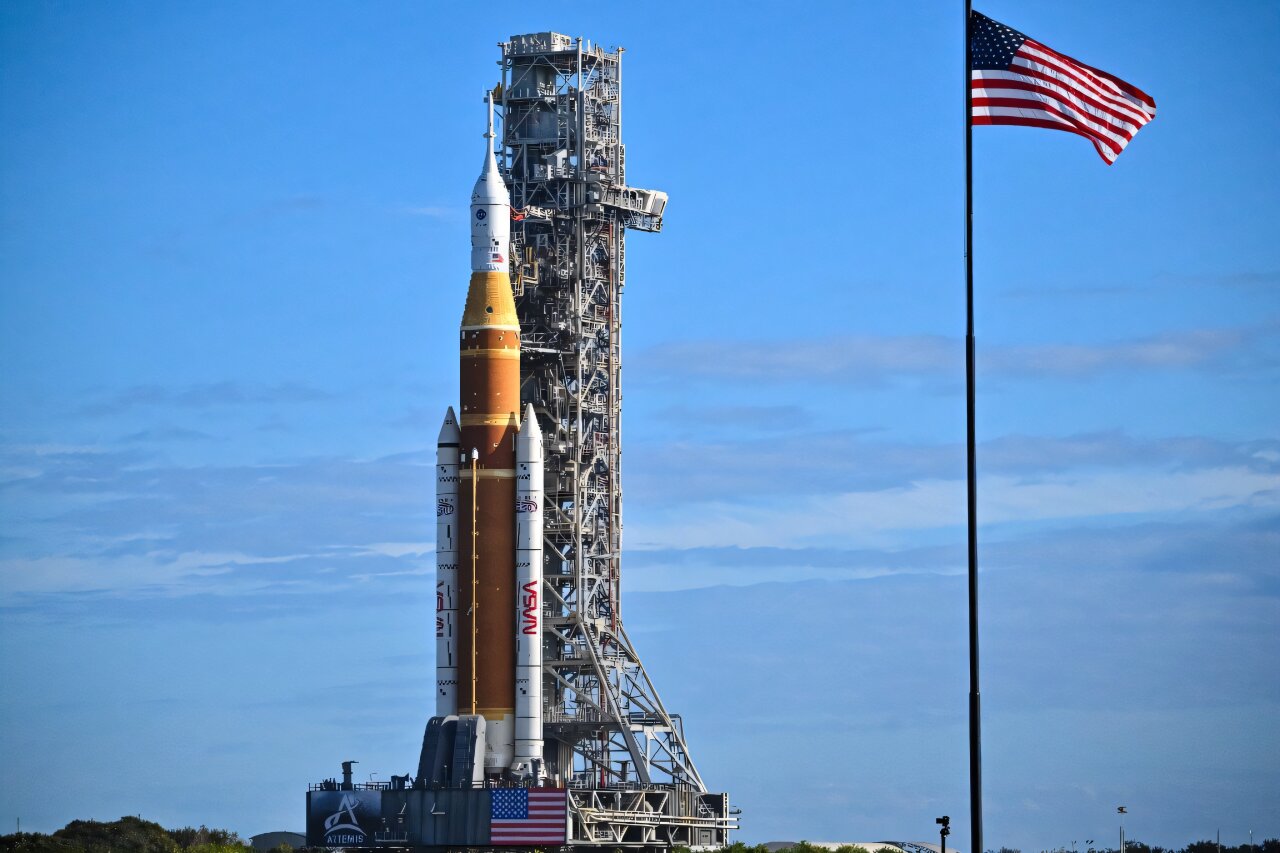
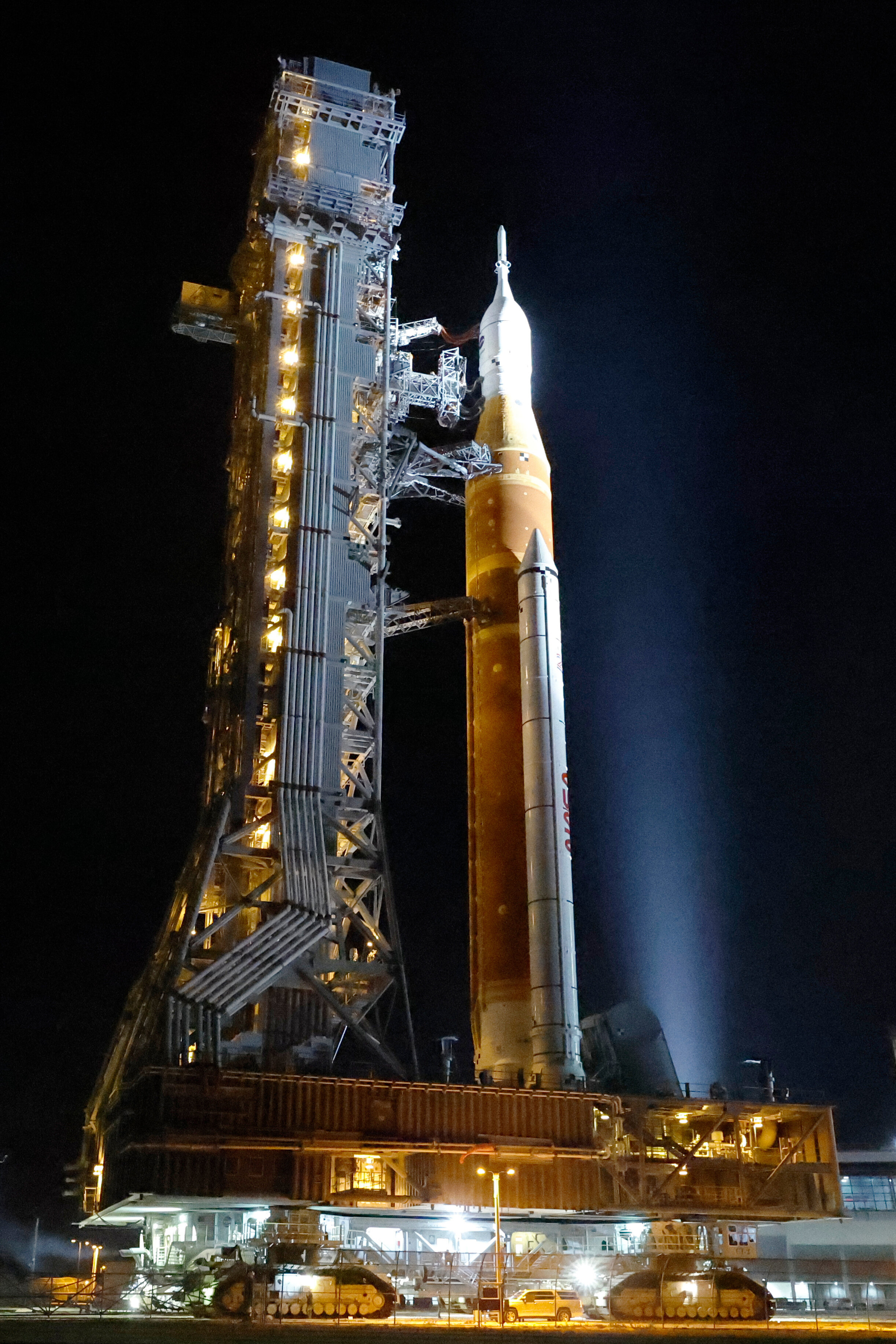
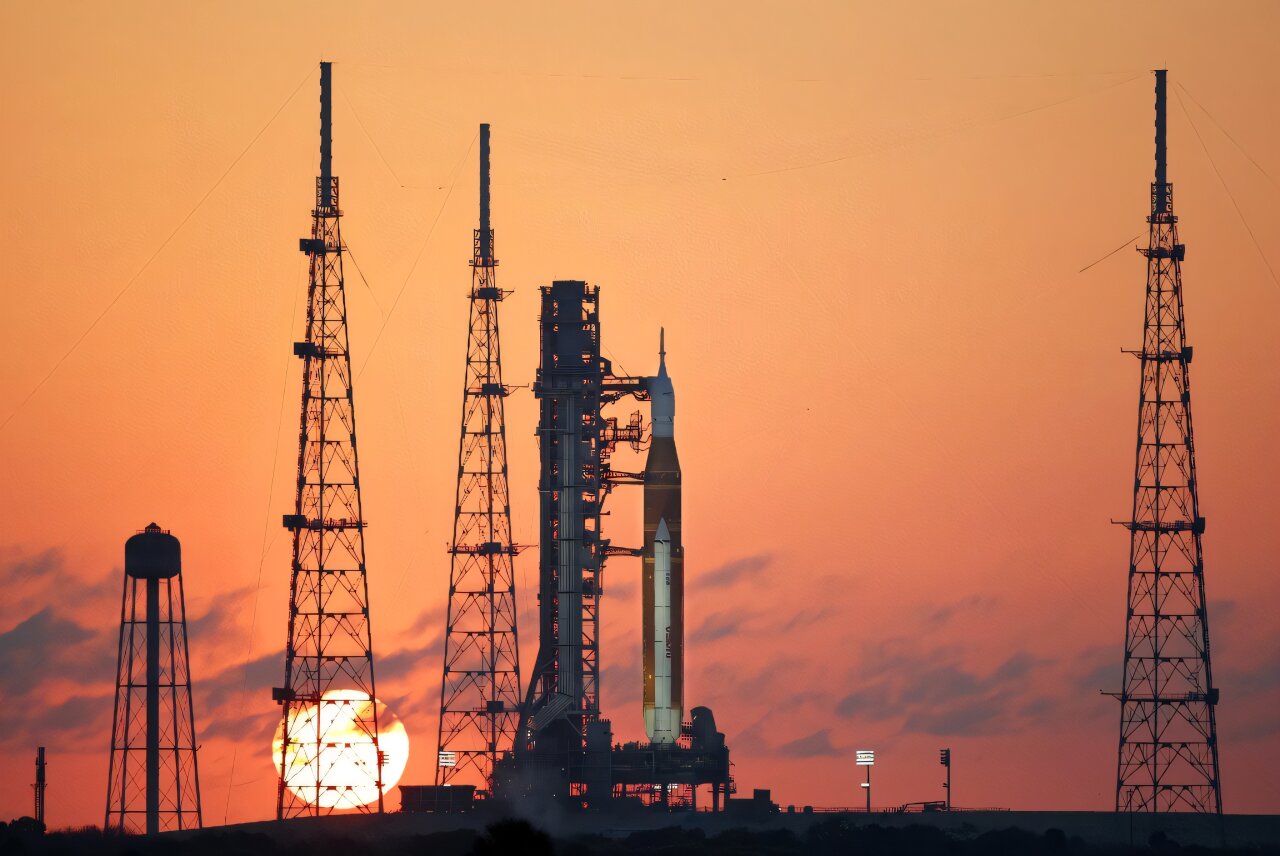
NASA moon mission launch delayed to March after test
Phys.org • 2/2/2026 – 2/3/2026

Summary
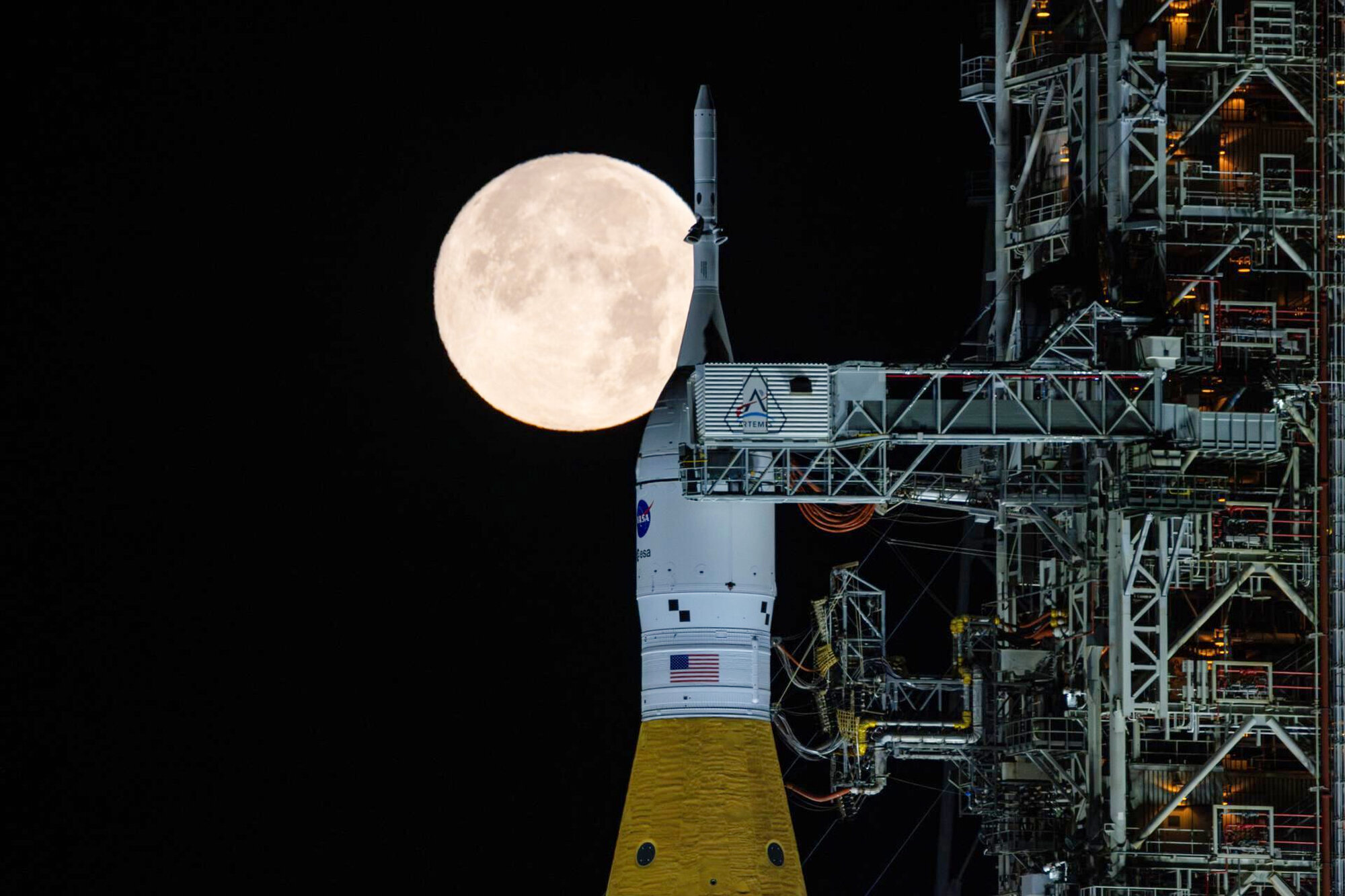
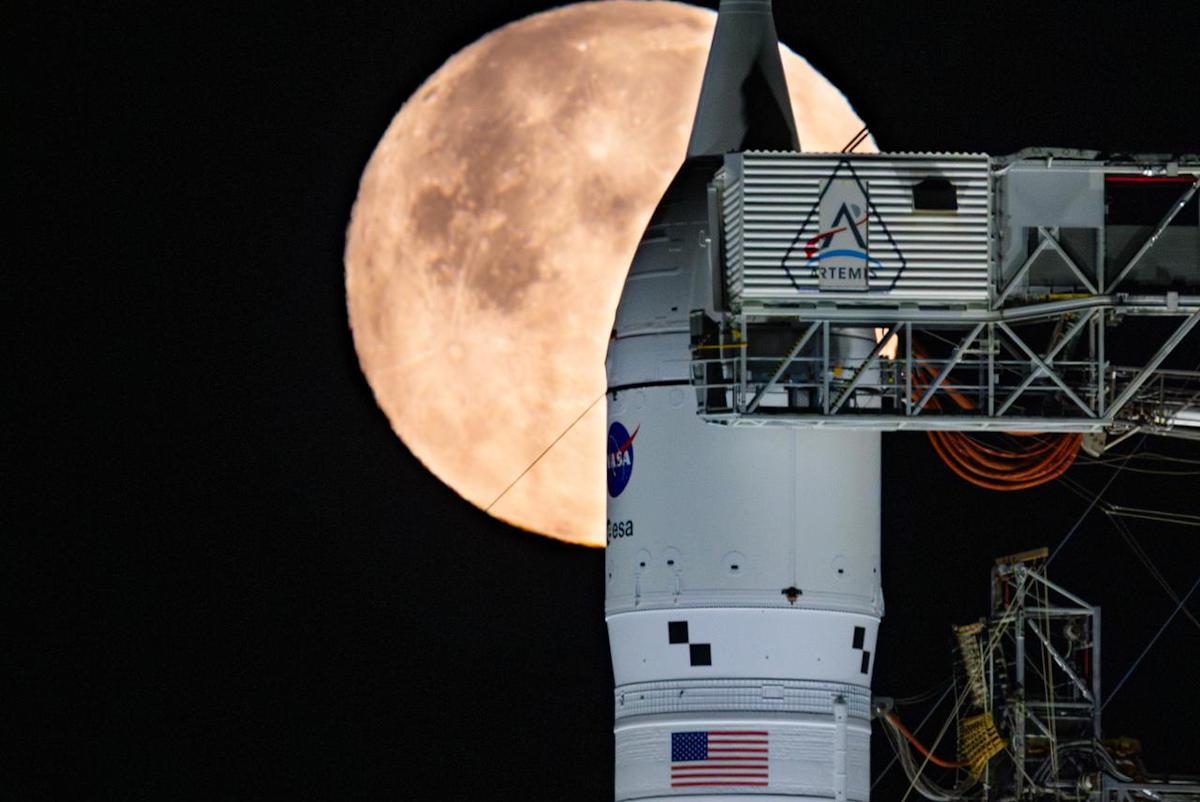
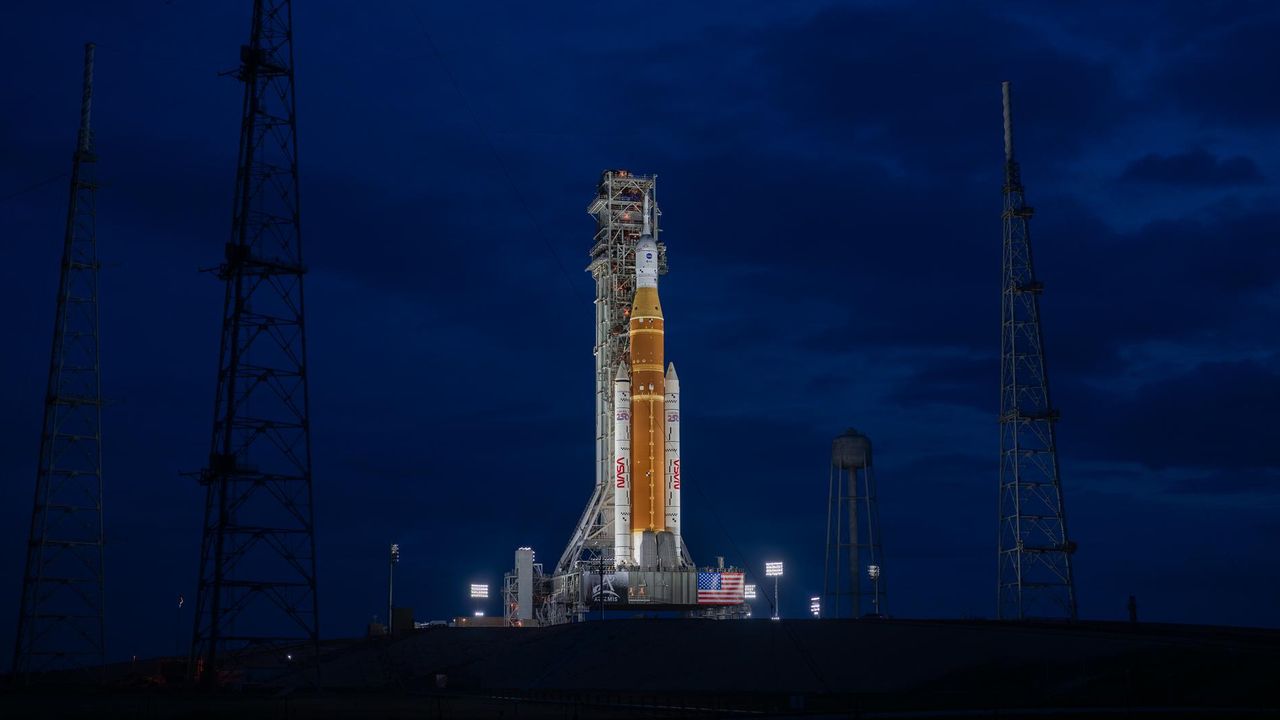
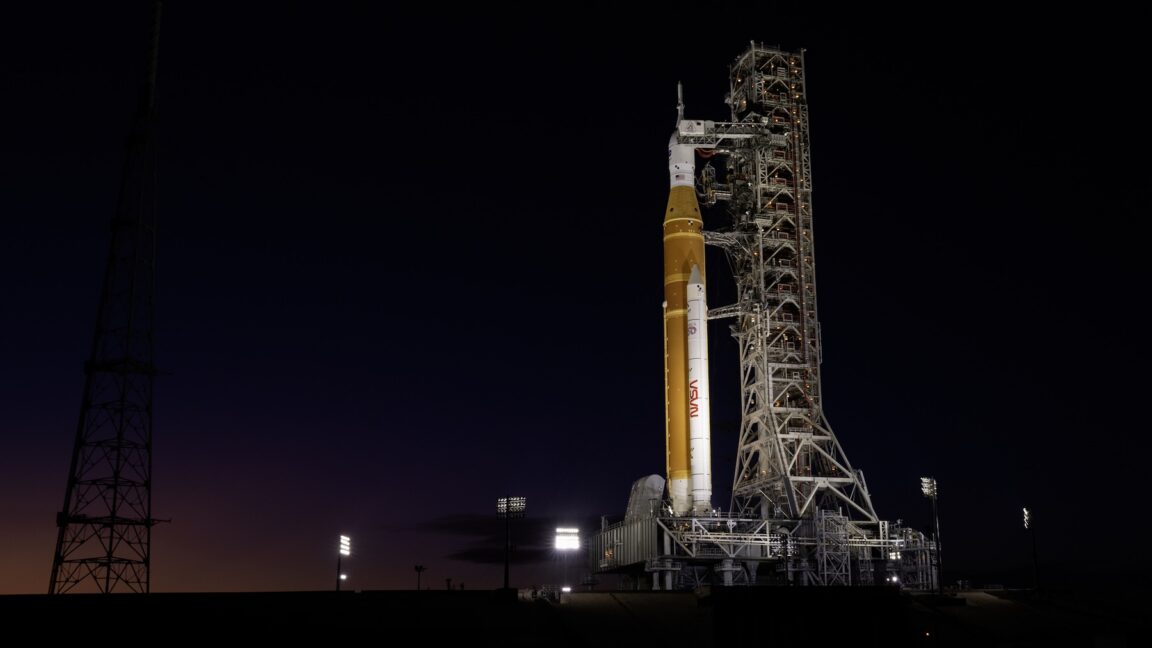
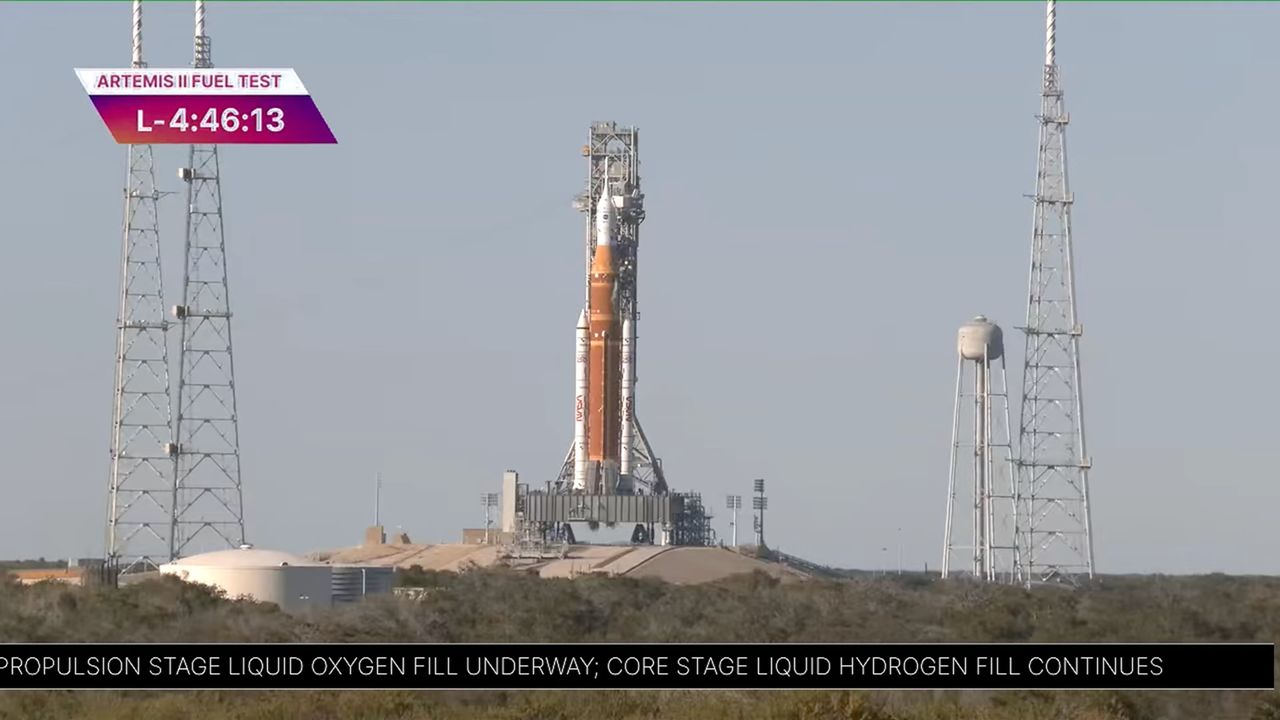
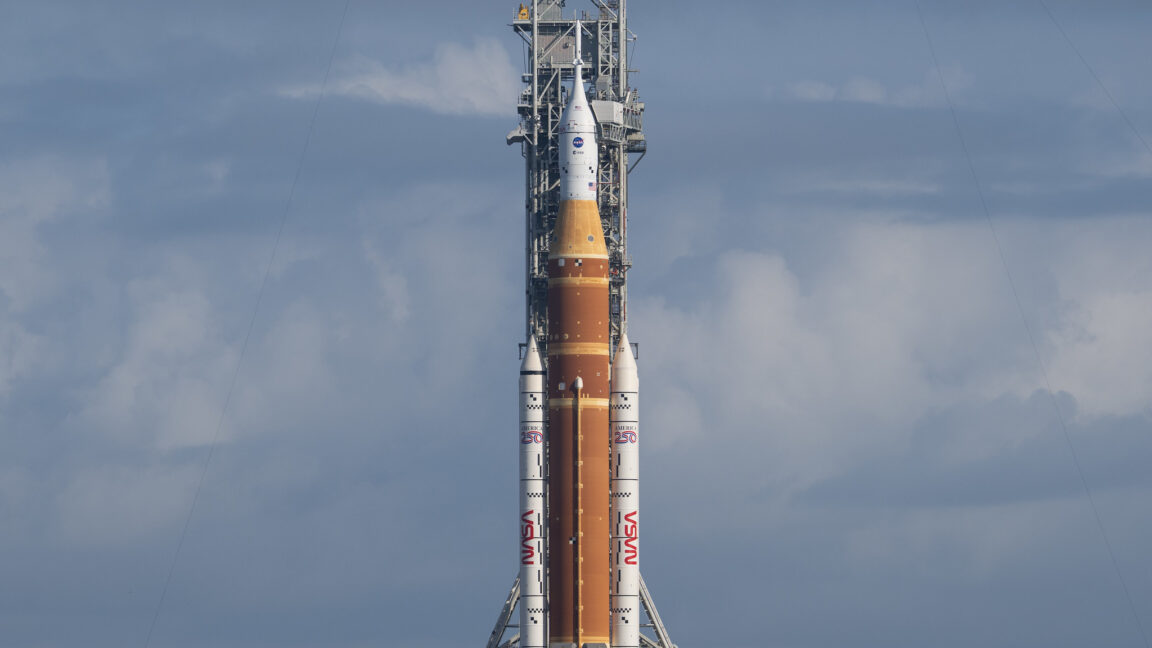
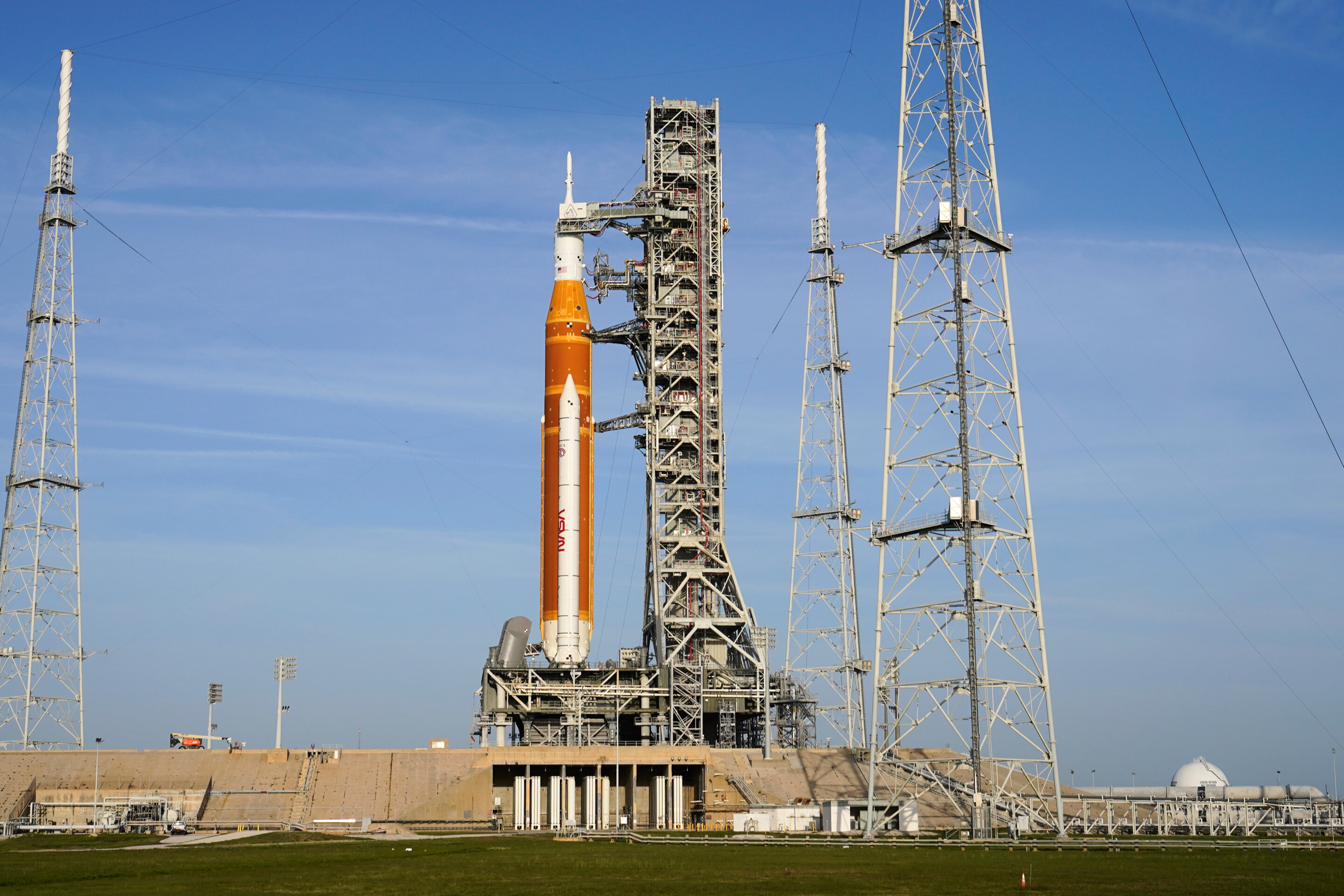
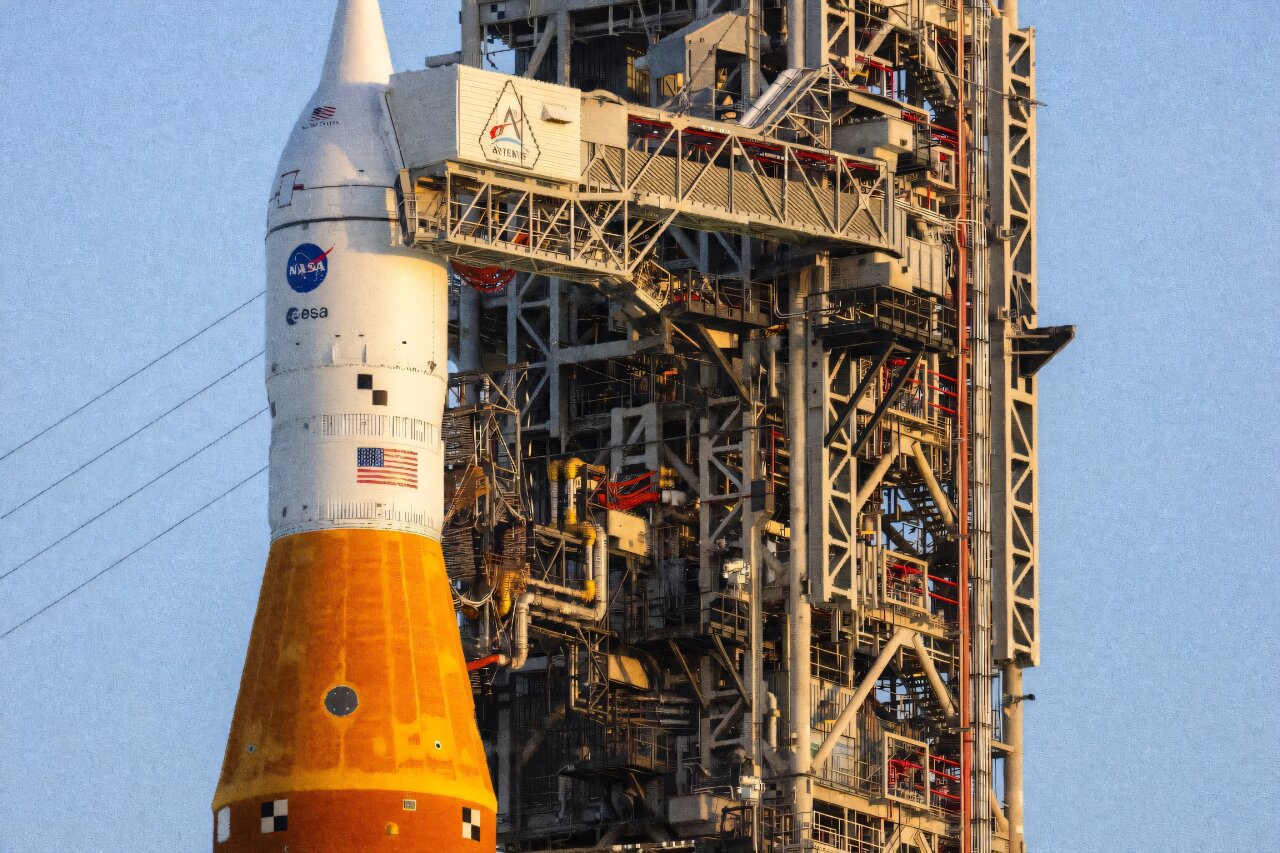
NASA has announced a delay in the launch of its first crewed lunar flyby mission in over 50 years, now scheduled for March. This postponement follows the discovery of a fuel leak during a critical testing phase of the mission, which aims to return humans to the moon. This delay highlights the complexities and challenges inherent in space exploration, particularly as NASA embarks on a new era of lunar missions. The Artemis program, which includes this mission, is not only a significant step in returning humans to the moon but also serves as a precursor for future Mars exploration. The historical context of lunar missions, dating back to the Apollo program, underscores the importance of meticulous preparation and testing in ensuring astronaut safety and mission success. As public interest in space travel continues to grow, the implications of these delays resonate beyond immediate timelines, reflecting the ongoing commitment to advancing human presence in space while navigating technical hurdles. This situation serves as a reminder of the intricate balance between ambition and caution in the pursuit of scientific discovery.
Advertisement
Cluster Activity
Lindy Score Breakdown (V4.2)
Story Timeline
- 2026-02-02
- 2026-02-03NASA moon mission launch delayed to March after test (current)
Score BreakdownRisk 25
Stories gain Lindy status through source reputation, network consensus, and time survival.
Same Story from 11 sources


Breaking Similar stories




Anti-Lindy Similar stories