Learning from Failure
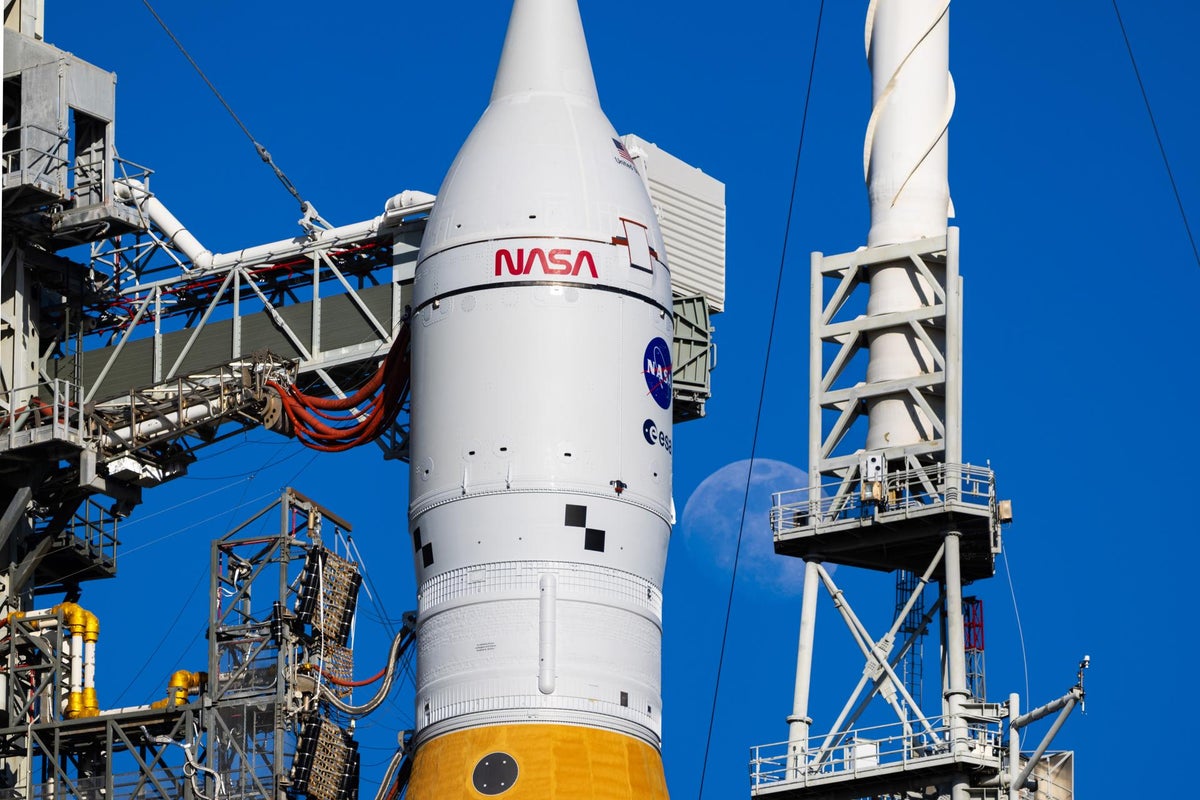
The news cluster vividly illustrates the critical importance of identifying and addressing potential failures in complex systems *before* deployment. NASA's Artemis II mission experienced hydrogen leaks during a 'wet dress rehearsal,' leading to launch delays. These delays, though inconvenient, are a direct consequence of a deliberate strategy to conduct rigorous pre-launch testing. As stated by NASA, these tests are 'designed to surface issues before flight and set up launch day with the highest probability of success.' This exemplifies the principle that proactive detection and resolution of problems during testing, even if it means setbacks and delays, is essential for mitigating risks and ensuring the ultimate success and safety of high-stakes endeavors. It highlights the value of 'failure' in a controlled test environment to prevent catastrophic failures in operational environments, a core concept in systems thinking and risk management.
Learning from Anticipated Failure
The recent news from Cape Canaveral, detailing hydrogen leaks during the Artemis II wet dress rehearsal, might, at first glance, appear as a setback. Launch delays are, after all, inconvenient. Yet, to view these incidents solely as failures is to miss a profound and enduring lesson, one that humanity has been learning and relearning since the dawn of complex endeavors. What NASA is doing is not merely reacting to a problem; it is deliberately creating the conditions to find them, understanding that a controlled "failure" on the ground is the most potent safeguard against catastrophe in the sky.
This principle, that truly robust systems are built not by avoiding failure but by diligently seeking it out and learning from it, is as old as engineering itself. It’s a recognition that in any intricate system—be it a rocket, a bridge, or a medical protocol—perfection is an illusion, and vulnerabilities are an inevitability. The wisdom lies in identifying those vulnerabilities when the stakes are low, not when lives hang in the balance. NASA's statement, "These tests are designed to surface issues before flight and set up launch day with the highest probability of success," is a concise articulation of this ancient truth.
Consider the cautionary tales woven throughout history. One stark example is the Tay Bridge disaster of 1879. The original bridge, a marvel of Victorian engineering for its time, collapsed during a severe gale, sending a train and all its passengers into the frigid waters below. Subsequent investigations revealed critical design flaws and poor construction quality, issues that rigorous, failure-seeking tests might have exposed. The tragedy led to a radical re-evaluation of bridge design principles, ushering in new standards for wind loading, material strength, and structural integrity. Engineers learned, at immense cost, that the true test of a structure wasn't just its ability to stand, but its ability to withstand predictable stresses and unforeseen anomalies. The failures of the Tay Bridge, though catastrophic, ultimately made future bridges safer, stronger, and more resilient.

In our modern era of increasingly complex systems, from global supply chains to space exploration, this proactive embrace of potential failure is more critical than ever. Organizations that manage the truly "unexpected," as sociologists like Karl Weick and Kathleen Sutcliffe have observed, are not those that eliminate errors, but those that cultivate a deep "preoccupation with failure." They are perpetually scanning for weak signals, resisting simplification, and deferring to expertise, all in an effort to uncover what might go wrong. They understand that every anomaly, every leak, every glitch found in a test environment is not a sign of incompetence, but a precious data point, a gift that prevents a far greater calamity.
The Artemis II delays, then, are not a narrative of failure, but a testament to an organization's commitment to learning, resilience, and ultimately, success. The hydrogen leaks are not merely problems; they are lessons delivered with precision, ensuring that when the mighty Space Launch System finally ignites for its journey to the Moon, it does so with the highest possible assurance of safety. But as our systems grow ever more intricate, and the pressure for speed intensifies, can we maintain this patient, failure-seeking discipline, or will the allure of efficiency tempt us to skip the essential lessons that only a controlled setback can teach?