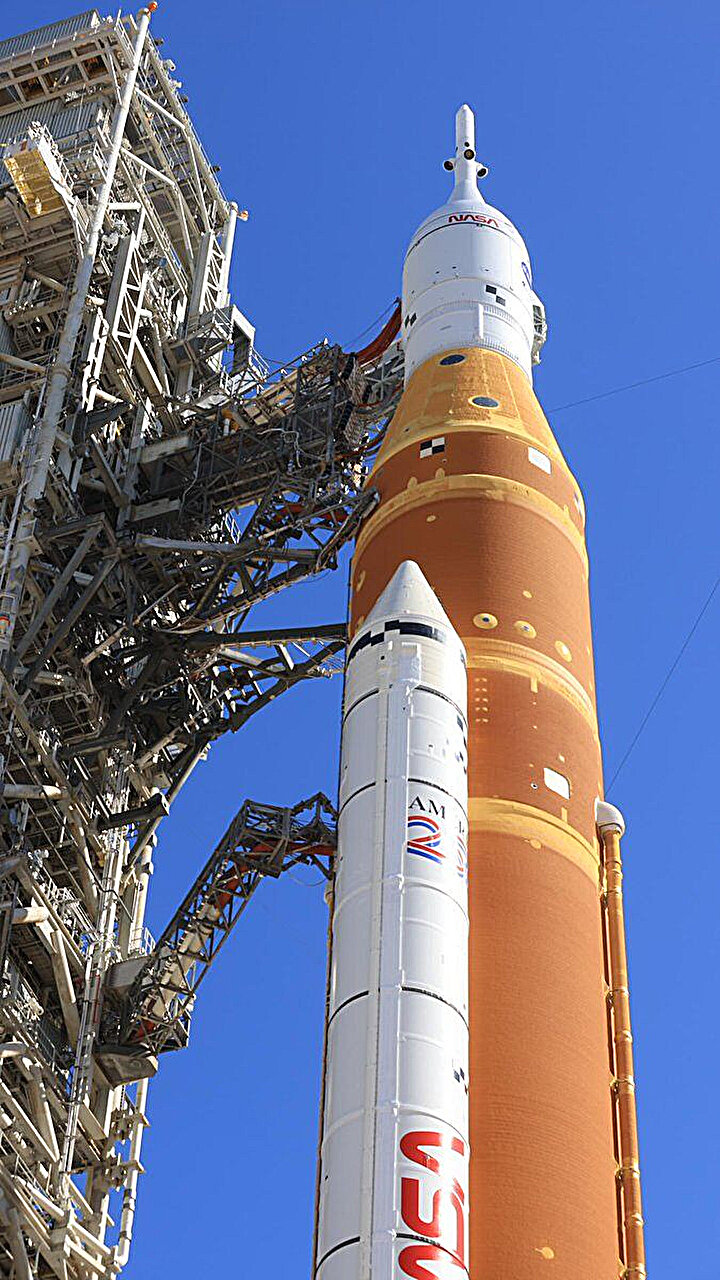
NASA’s Artemis II launch rehearsal hits a snag
Scientific American • 2/2/2026 – 2/3/2026

Summary
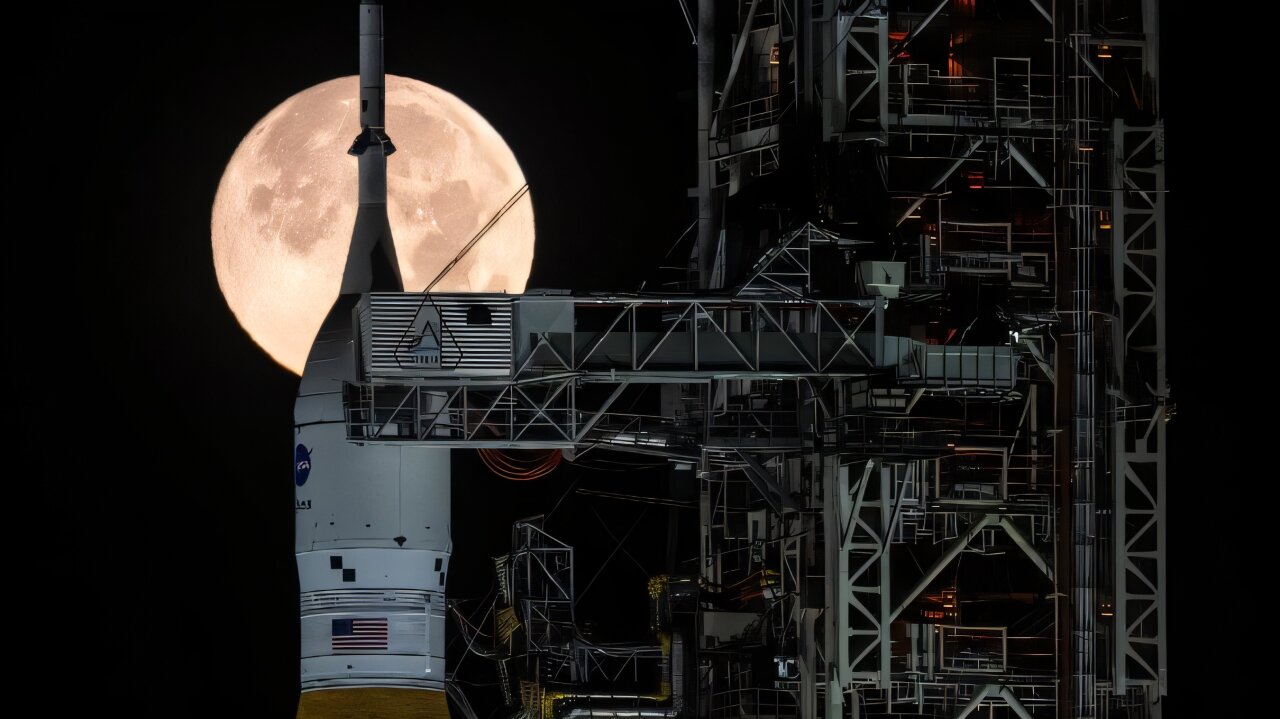
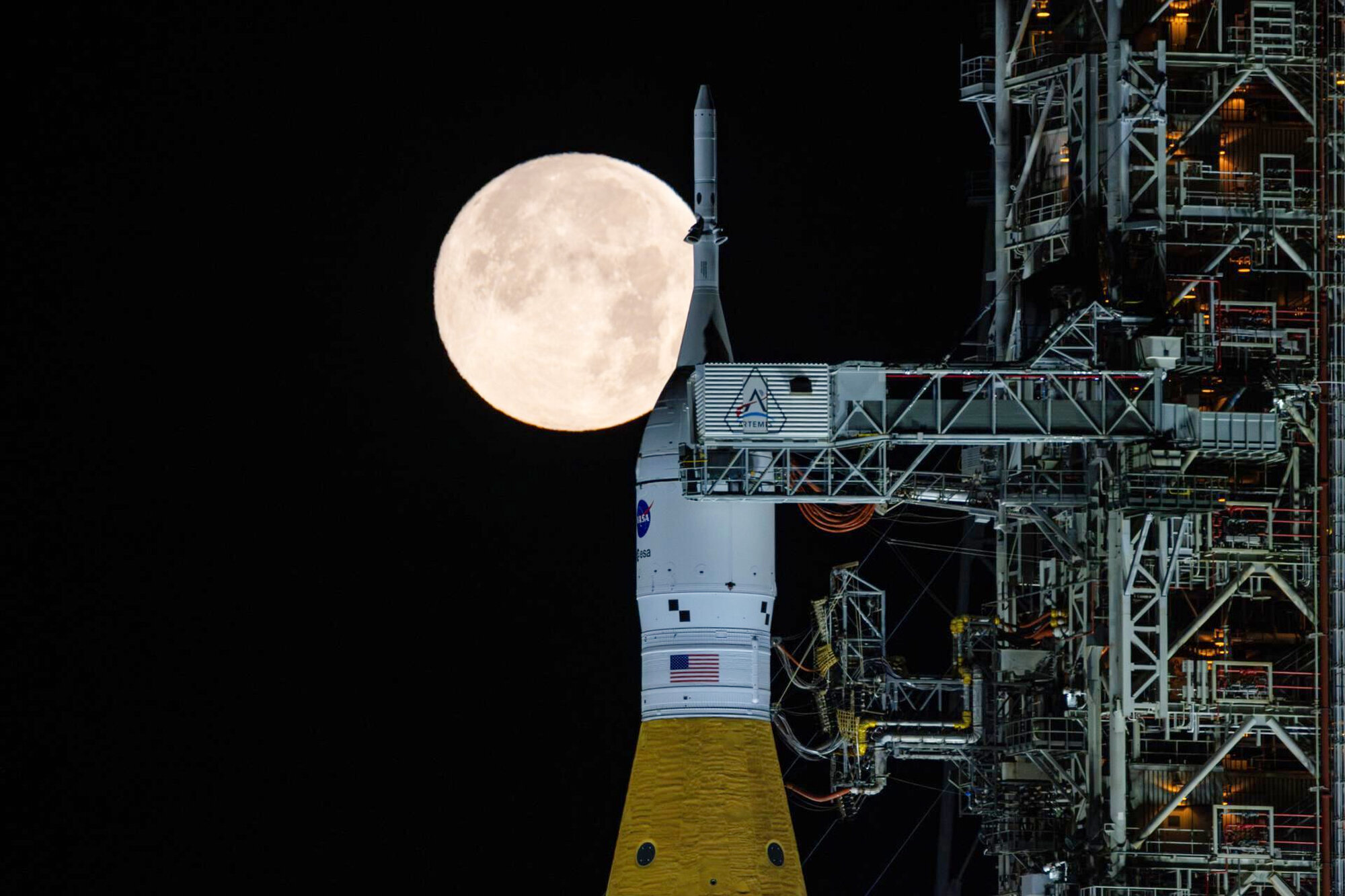
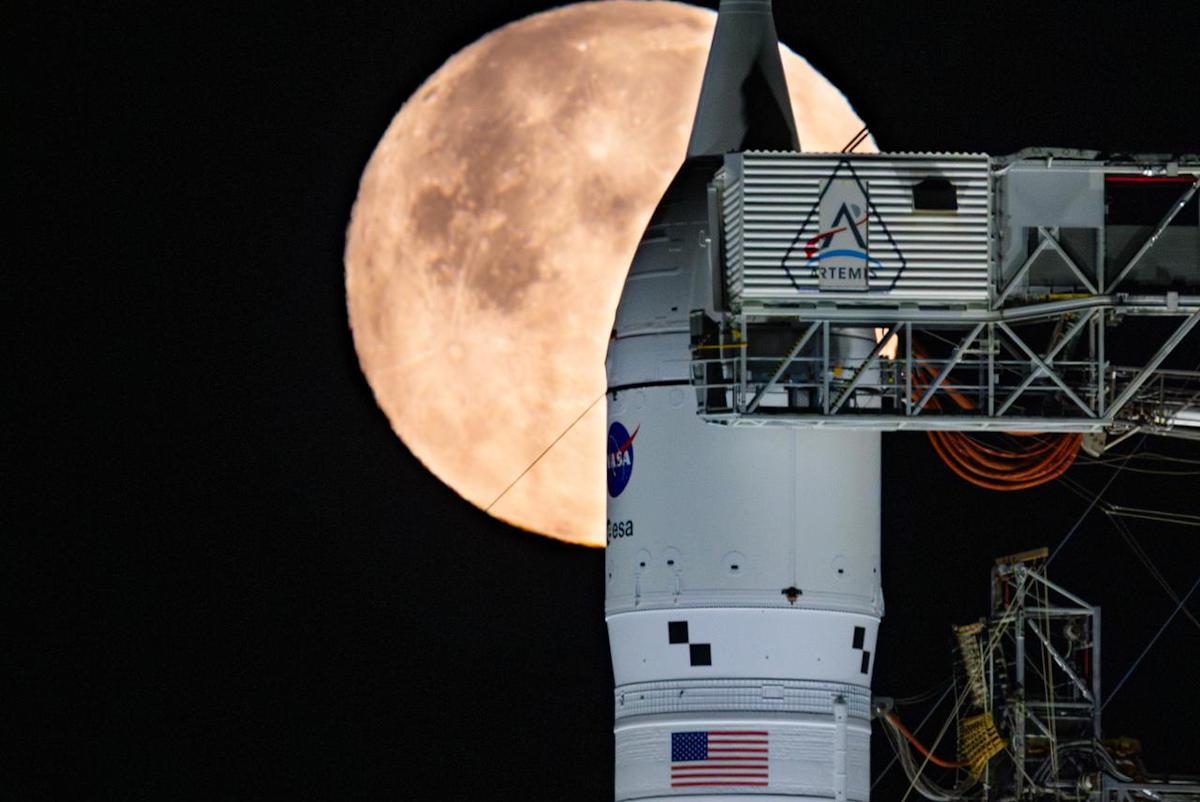
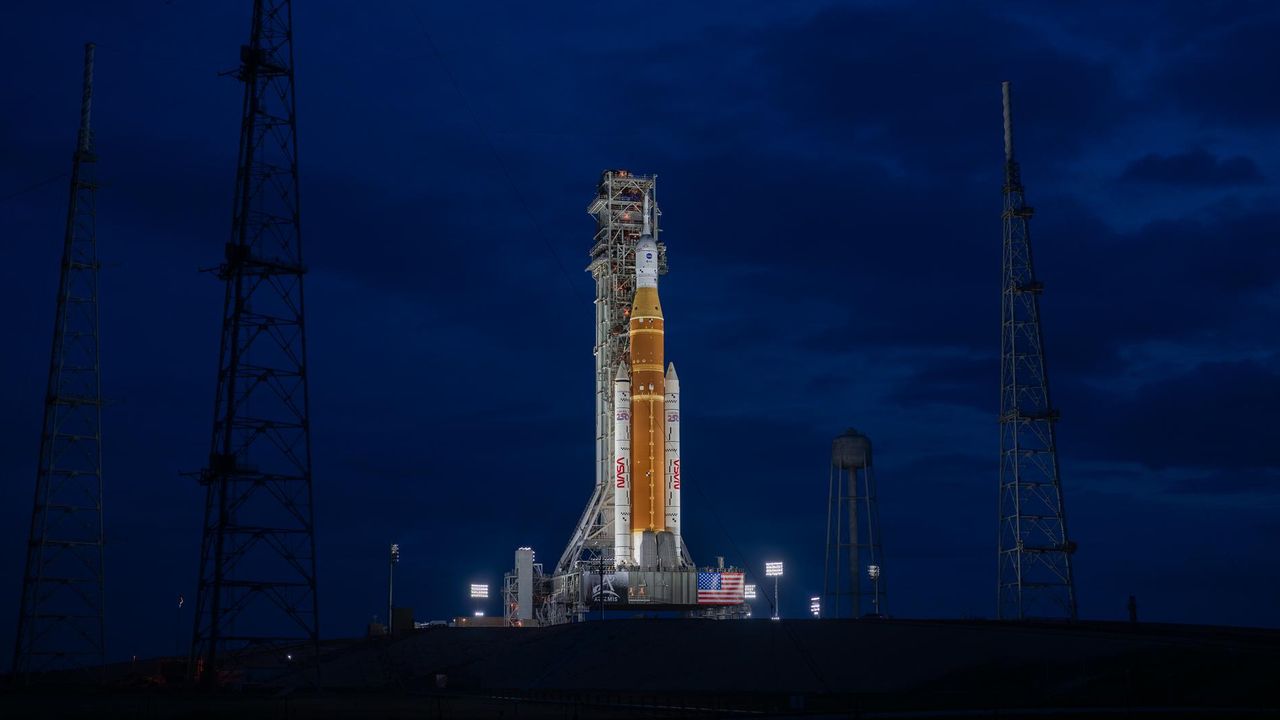
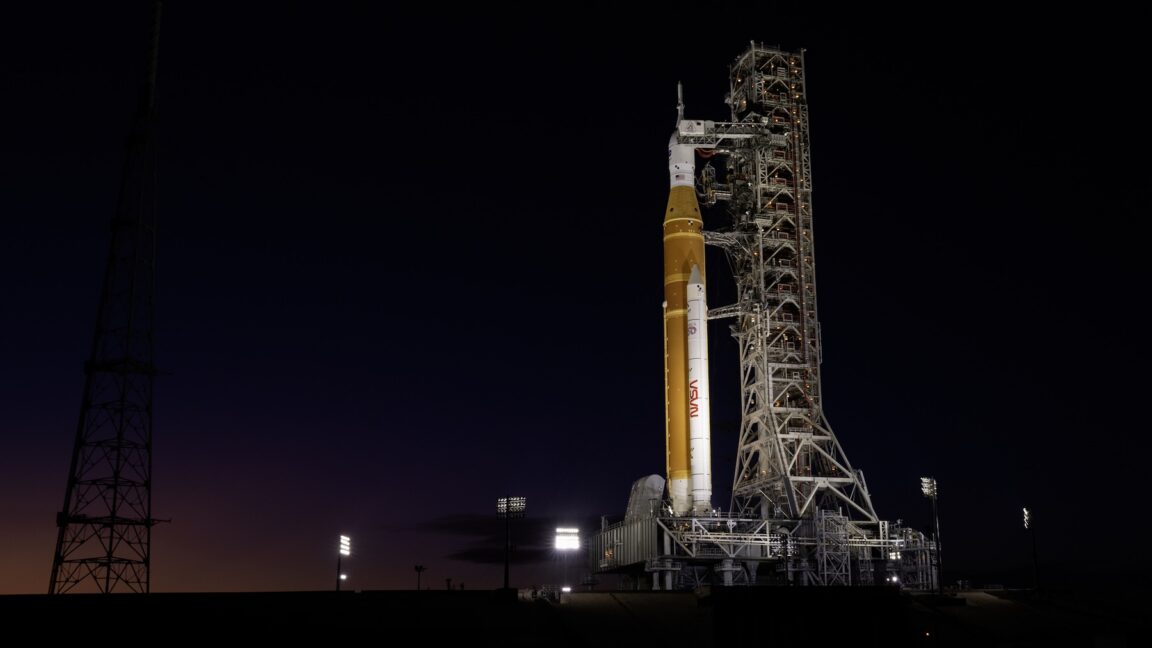
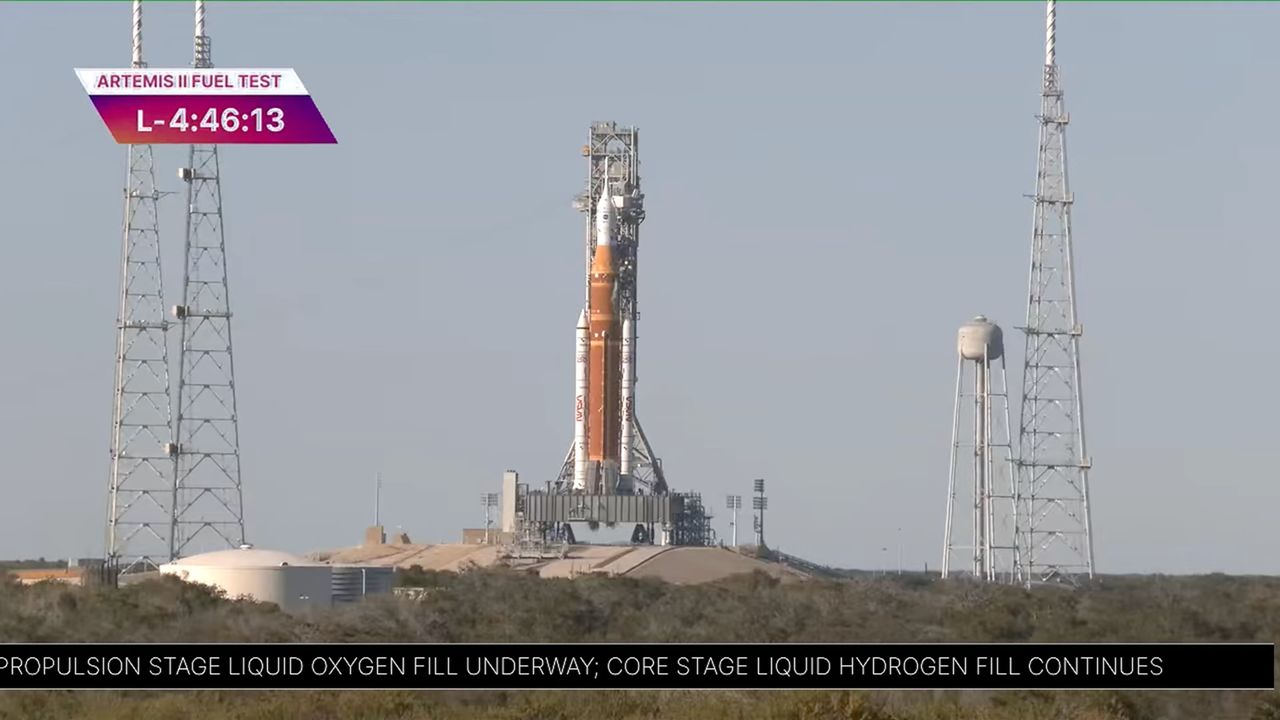
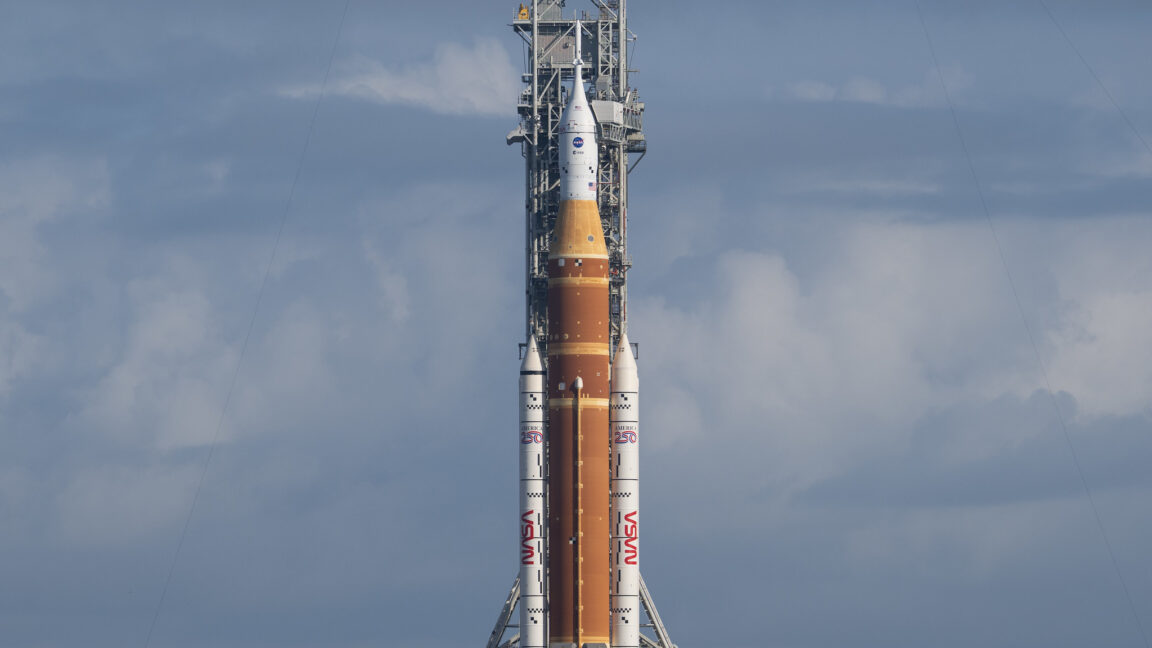
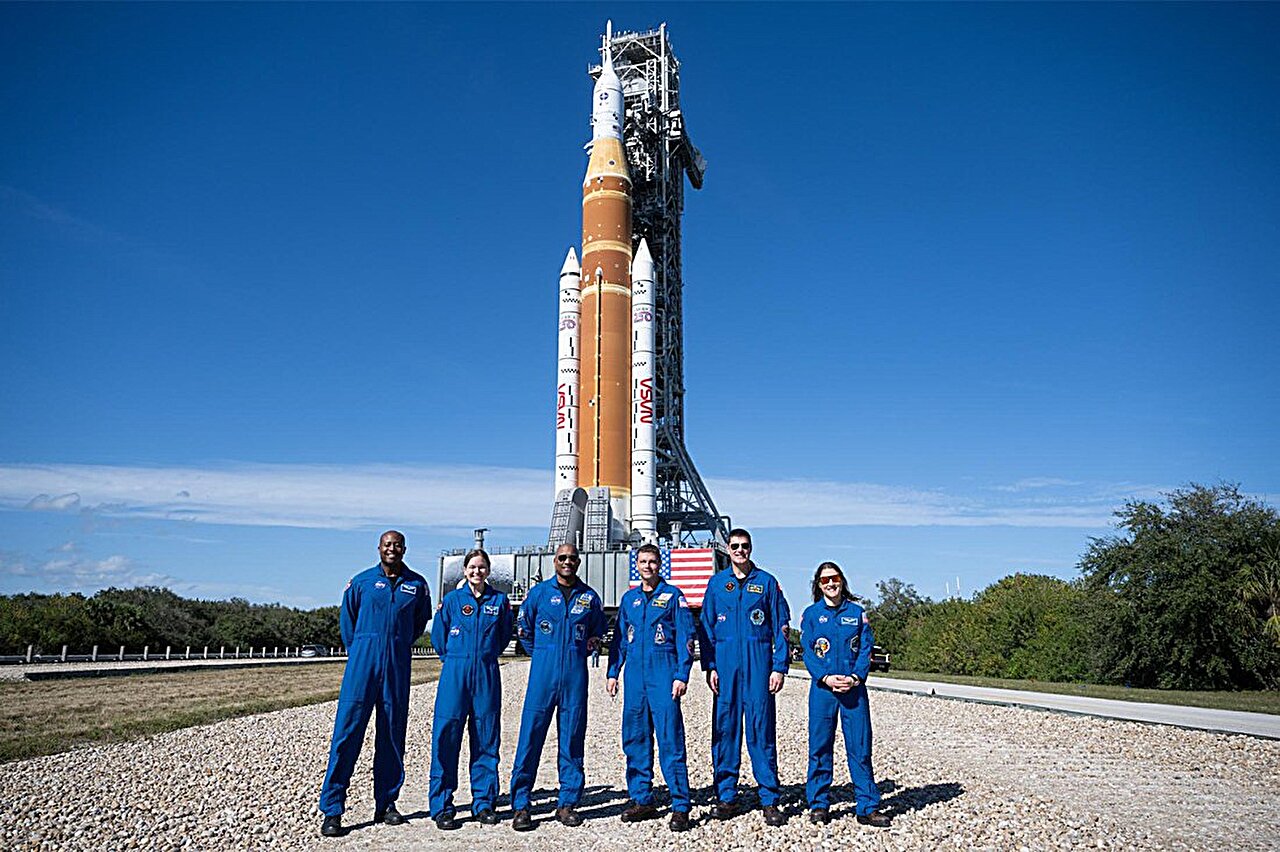
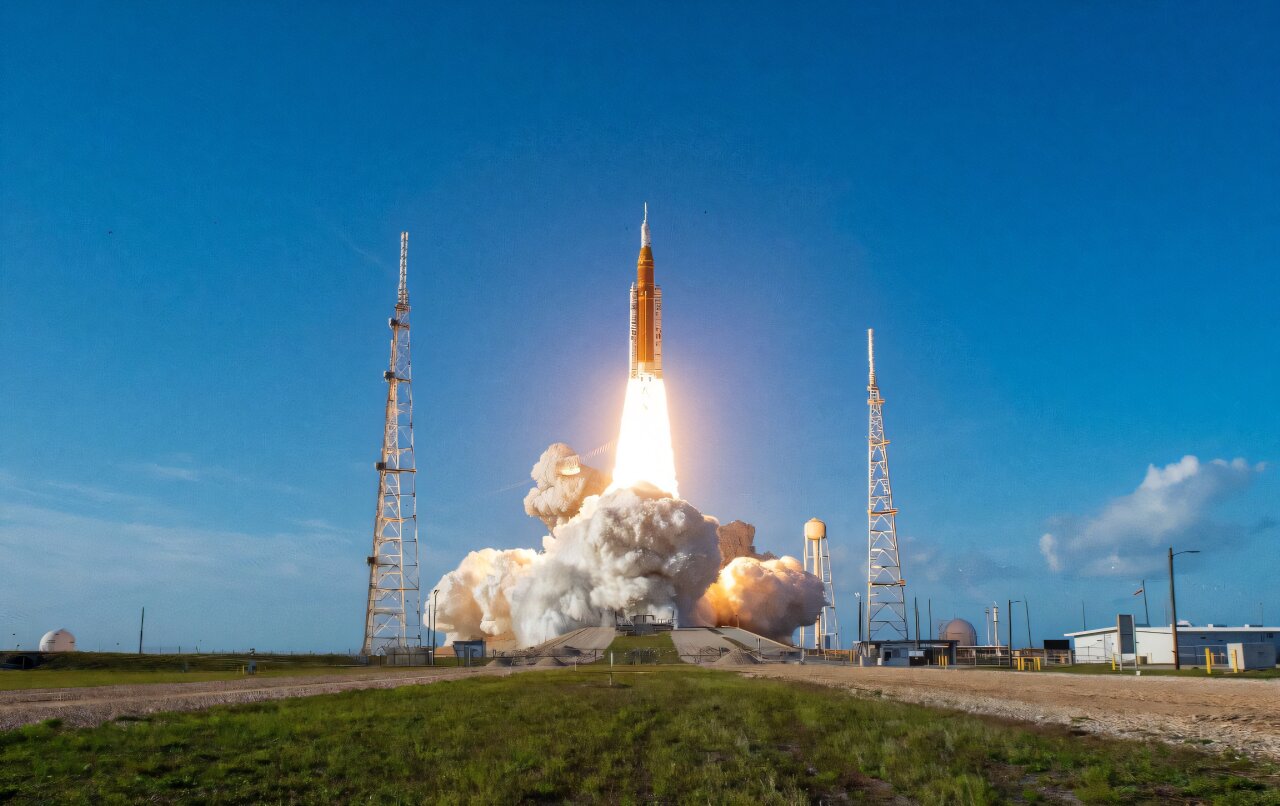
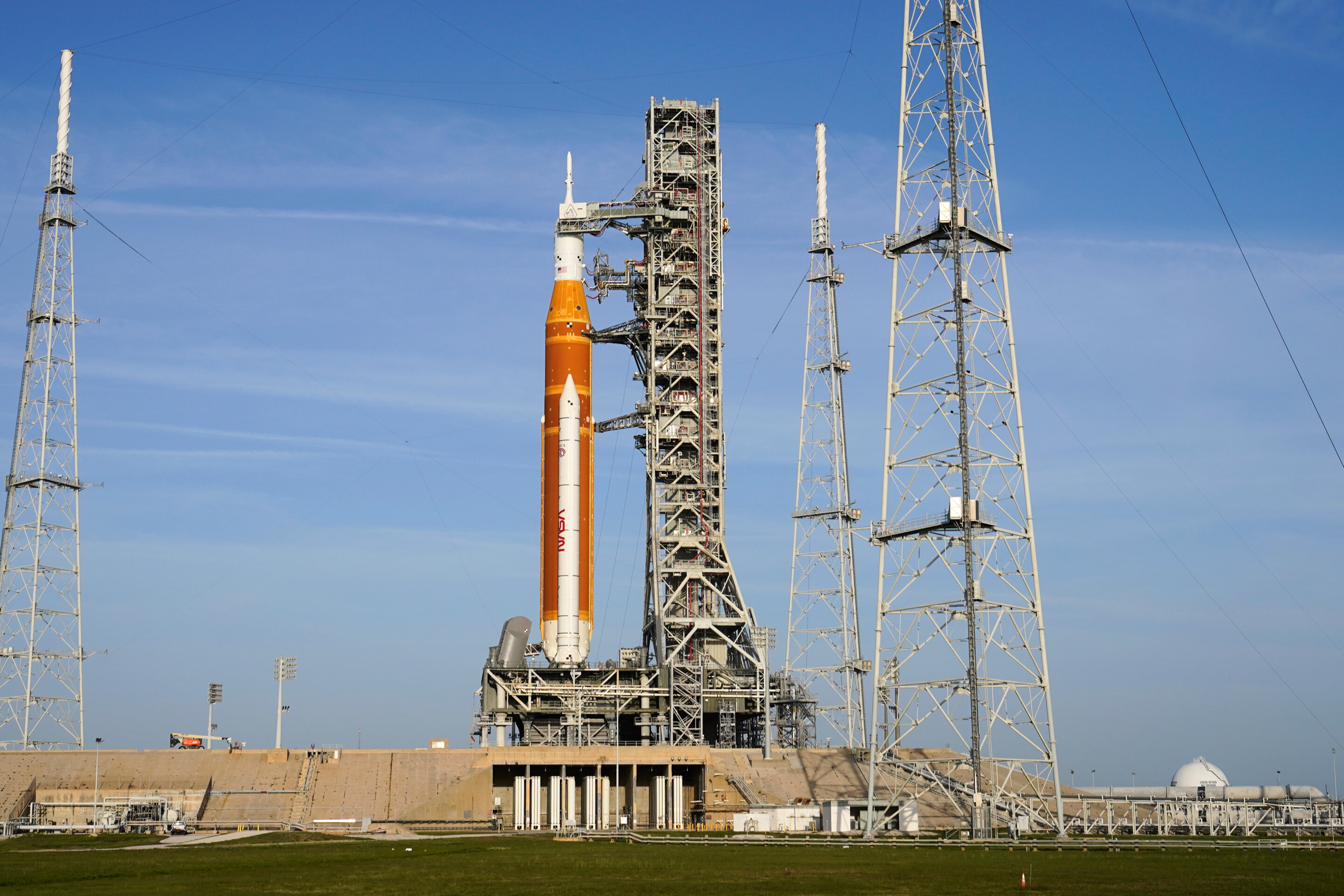
NASA's Artemis II rocket launch rehearsal encountered significant issues due to hydrogen leaks. Engineers halted the process of pumping liquid hydrogen fuel into the rocket after detecting an apparent leak during a critical test. This incident occurred on February 2, when NASA was attempting to fully fuel the Artemis II rocket, which is part of its mission to return humans to the Moon. The test was intended to be a make-or-break moment for the upcoming launch. Following the complications with the hydrogen leaks, NASA announced that it would delay the Artemis II launch, initially targeted for February 8, until March. The decision was influenced by the challenges faced during the fuel test, which was further complicated by cold temperatures resulting from a rare Arctic outbreak affecting Florida. The agency had spent considerable time trying to address the hydrogen leaks but ultimately decided to postpone the launch to ensure safety and reliability. The Artemis II mission is a key component of NASA's broader Artemis program, which aims to establish a sustainable human presence on the Moon. The delays in the launch schedule highlight the technical challenges associated with the mission. NASA's engineers are now focused on resolving the fuel leak issues before proceeding with the next steps in the launch preparations.
Advertisement
Cluster Activity
Lindy Score Breakdown (V4.2)
Story Timeline
- 2026-02-02NASA’s Artemis II launch rehearsal hits a snag (current)
- 2026-02-03
Score BreakdownRisk 25
Stories gain Lindy status through source reputation, network consensus, and time survival.
Same Story from 11 sources


Breaking Similar stories





Anti-Lindy Similar stories