Iran war: Mojtaba Khamenei says there will be 'change' in Strait of Hormuz 'management'
Deutsche Welle • 4/30/2026
Summary
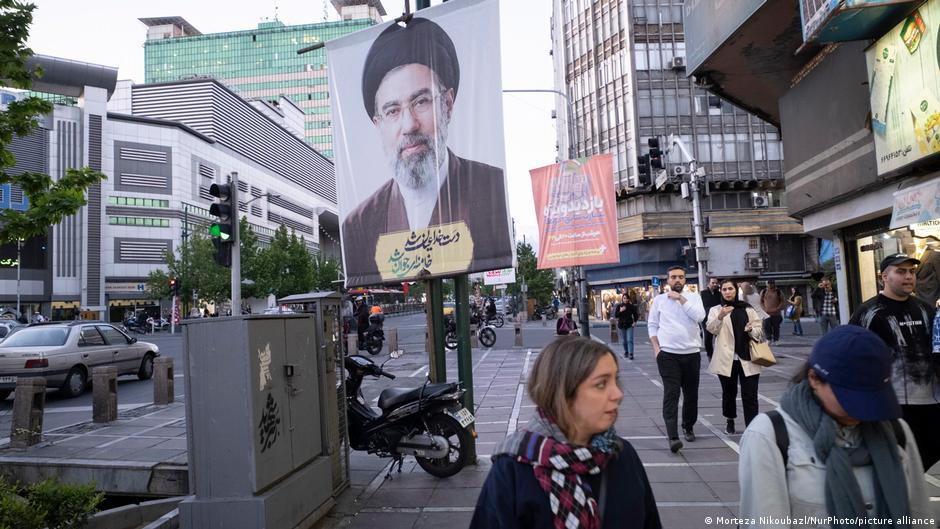
Iran's Supreme Leader Mojtaba Khamenei has indicated that there will be a "change" in the management of the Strait of Hormuz, which he claims will lead to increased calm in the region. This statement suggests that Tehran is considering modifications to its approach in this strategically significant waterway, which is crucial for global oil transportation. Khamenei's remarks come amid ongoing volatility in crude oil prices, highlighting the potential implications of any changes in the management of the Strait. In his statement, Khamenei also implied that Iran intends to maintain its nuclear program, which has been a point of contention in international relations. The mention of possibly imposing tolls in the Strait of Hormuz indicates a shift in Iran's strategy regarding its control over this vital maritime route. The Strait of Hormuz is a critical chokepoint through which a significant portion of the world's oil supply passes, making any changes in its management a matter of global economic interest. The context of Khamenei's comments reflects Iran's broader geopolitical stance and its ongoing negotiations and tensions surrounding its nuclear capabilities. The implications of these statements could affect not only regional stability but also global energy markets, as stakeholders monitor Iran's actions in the Strait of Hormuz closely.
Advertisement
Lindy Score Breakdown (V4.2)
Story Timeline
- 2026-04-30Iran war: Mojtaba Khamenei says there will be 'change' in Strait of Hormuz 'management' (current)
Score BreakdownRisk 45
Stories gain Lindy status through source reputation, network consensus, and time survival.
Same Story from 5 sources



Breaking Similar stories


Anti-Lindy Similar stories