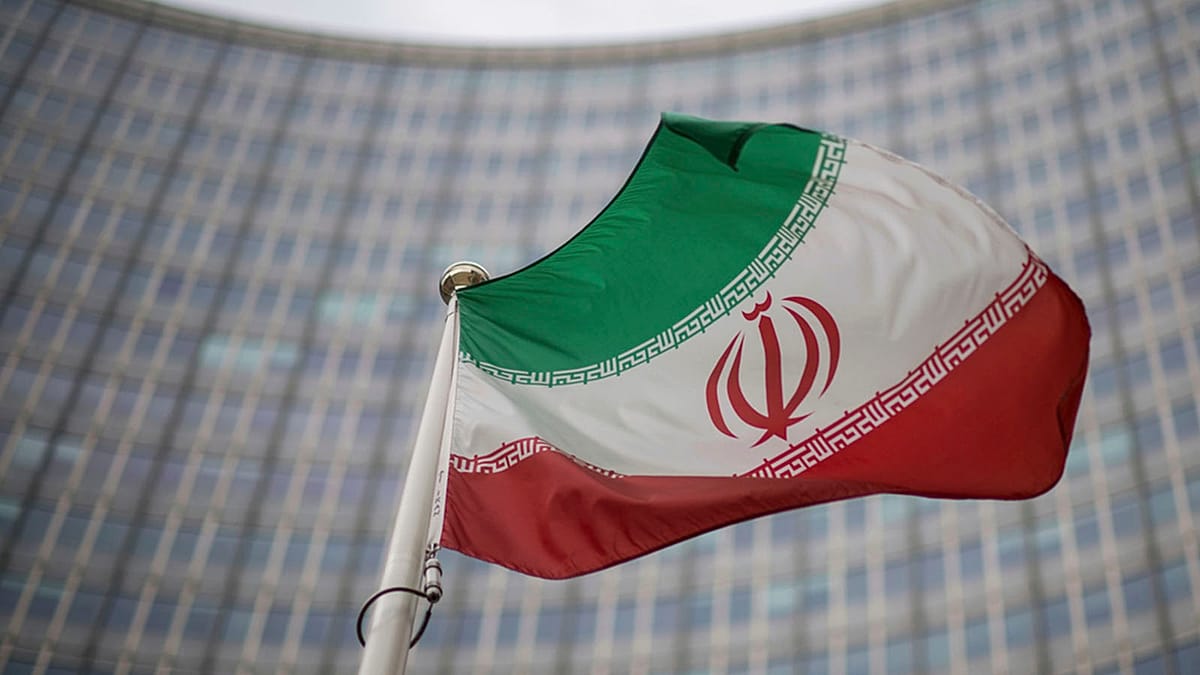
Supreme leader vows Iran won’t give up nuclear technologies
Japan Times • 4/30/2026

Summary
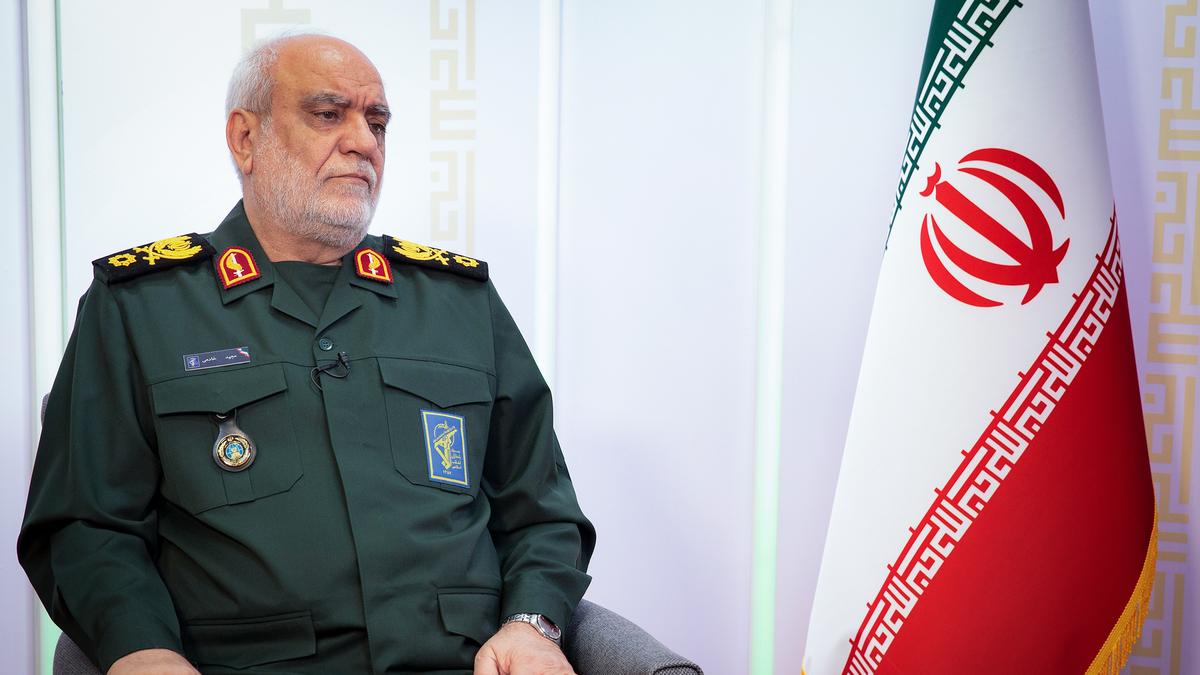
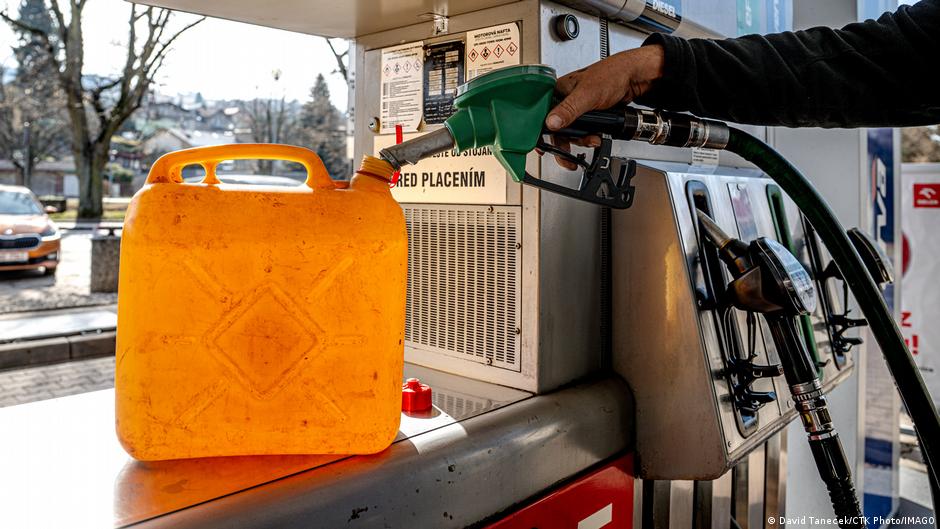
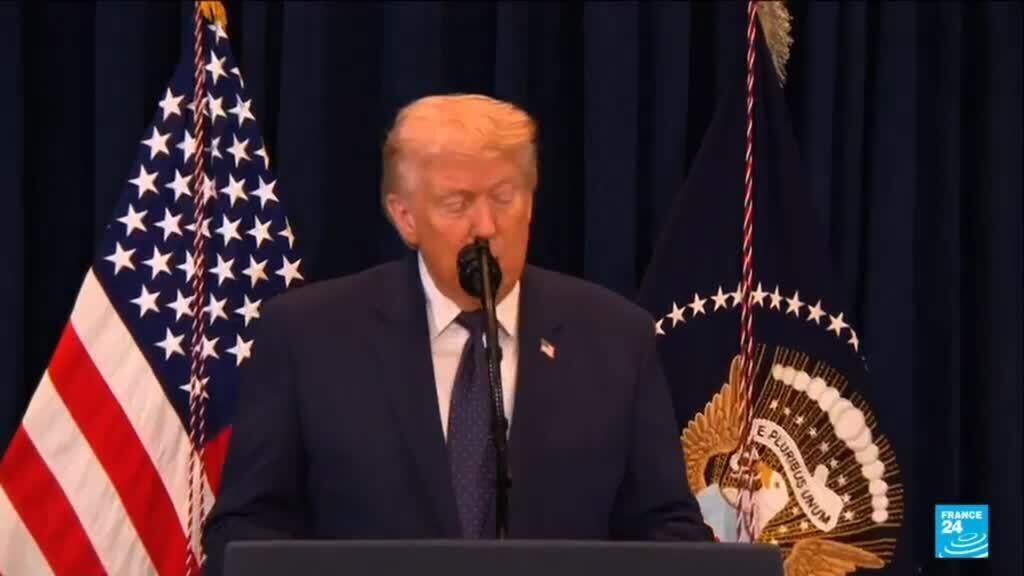
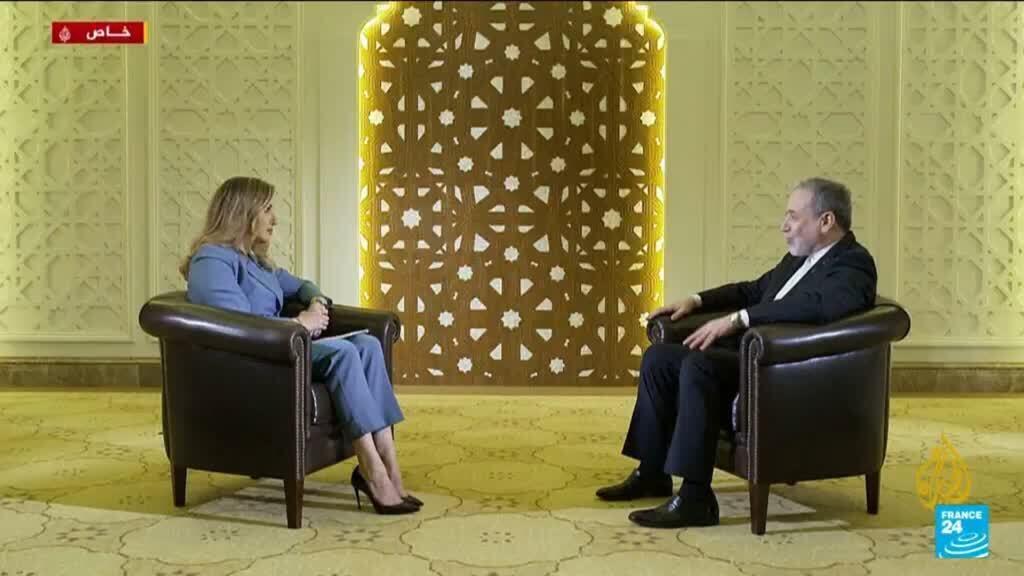
Iran's Supreme Leader Mojtaba Khamenei has declared that the Islamic Republic will not relinquish its nuclear technologies, emphasizing that these advanced technologies will be protected as fiercely as the nation's borders. This assertion reflects Iran's commitment to maintaining its nuclear capabilities amidst ongoing international tensions regarding its nuclear program (Primary Source). In addition to his remarks on nuclear technology, Khamenei indicated that there would be a "change" in the management of the Strait of Hormuz. He suggested that this new management approach would bring increased calm to the region, which is significant given the Strait's critical role in global oil transportation. Khamenei's comments come at a time of volatility in crude oil prices, highlighting the potential economic implications of any shifts in Iran's strategy regarding this vital maritime route (Deutsche Welle). Khamenei mentioned the establishment of "new legal frameworks" for the Strait of Hormuz, suggesting a strategic adjustment in how Iran controls this critical chokepoint. The Strait is essential for the passage of a substantial portion of the world's oil supply, making any changes in its management a matter of global economic interest (The New York Times). His statements also included a strong condemnation of U.S. presence in the Persian Gulf, asserting that the only place Americans belong is “at the bottom of its waters” (The Hindu). Overall, Khamenei's statements reflect Iran's broader geopolitical stance and its determination to safeguard its nuclear and missile capabilities while asserting control over the Strait of Hormuz. The implications of these declarations could significantly impact regional stability and global energy markets, as stakeholders closely monitor Iran's actions in this strategically important area (Deutsche Welle, The New York Times).
Advertisement
Lindy Score Breakdown (V4.2)
Story Timeline
- 2026-04-30Supreme leader vows Iran won’t give up nuclear technologies (current)
Score BreakdownRisk 30
Stories gain Lindy status through source reputation, network consensus, and time survival.
Same Story from 5 sources


Breaking Similar stories


Anti-Lindy Similar stories