U.S. says examining latest Iran proposal on Hormuz
The Hindu • 4/27/2026 – 4/28/2026

Summary
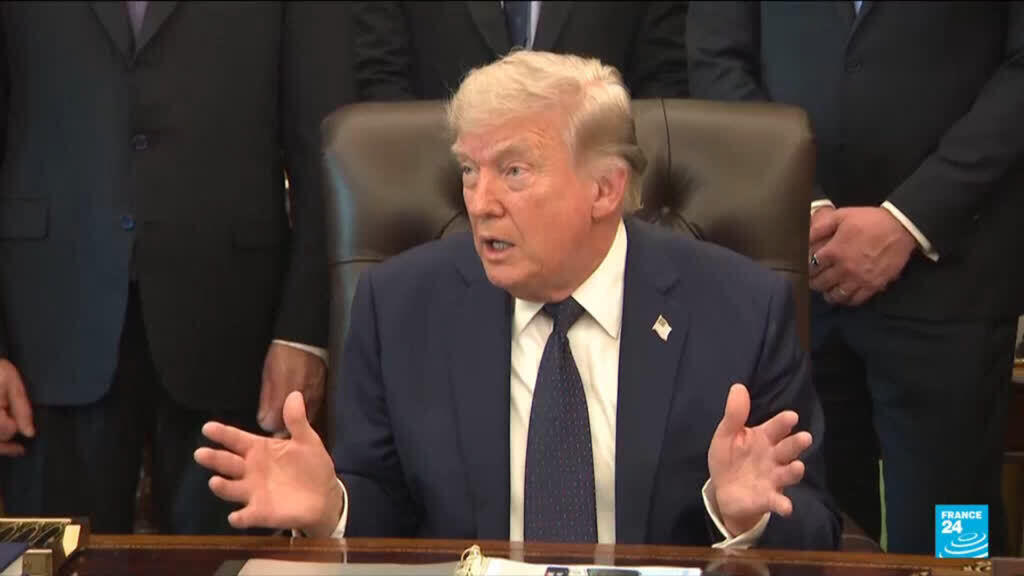
Iran has blockaded the Strait of Hormuz, a crucial waterway for oil and gas shipments, since the onset of the U.S.-Israeli offensive two months ago, causing significant disruptions to the global economy. In response to this situation, Iran has proposed to reopen the Strait of Hormuz if the United States lifts its blockade and the ongoing war concludes. This proposal reportedly postpones discussions regarding Iran's nuclear program, as conveyed to U.S. officials by Pakistan (AP News, France24). U.S. President Donald Trump has indicated that discussions are ongoing regarding Iran's proposal, although he appears to be dissatisfied with it. The U.S. administration has shown a cool reception to the proposal, particularly as it does not address the underlying issues that led to the conflict (NBC News). The blockade has raised concerns about the implications for commercial shipping in the region, prompting discussions among Western leaders about potential military options and diplomatic resolutions (Haaretz). French President Emmanuel Macron and British Prime Minister Keir Starmer have engaged in talks with European allies about deploying a multinational force to the Strait of Hormuz once hostilities cease. Macron has expressed support for the unconditional reopening of the waterway for commercial shipping during a ceasefire, highlighting the collective European interest in stabilizing the region (Haaretz). Starmer has announced plans for further discussions aimed at achieving a diplomatic resolution to the crisis, while Macron has indicated that France is preparing to escort ships in the strait once the situation calms (Haaretz).
Advertisement
Cluster Activity
Lindy Score Breakdown (V4.2)
Story Timeline
- 2026-04-27
- 2026-04-28U.S. says examining latest Iran proposal on Hormuz (current)
Score BreakdownRisk 45
Stories gain Lindy status through source reputation, network consensus, and time survival.
Same Story from 11 sources



Breaking Similar stories


Anti-Lindy Similar stories