US and Iran now eyeing Oman for nuclear talks as tensions run high
South China Morning Post • 1/30/2026 – 2/4/2026

Summary
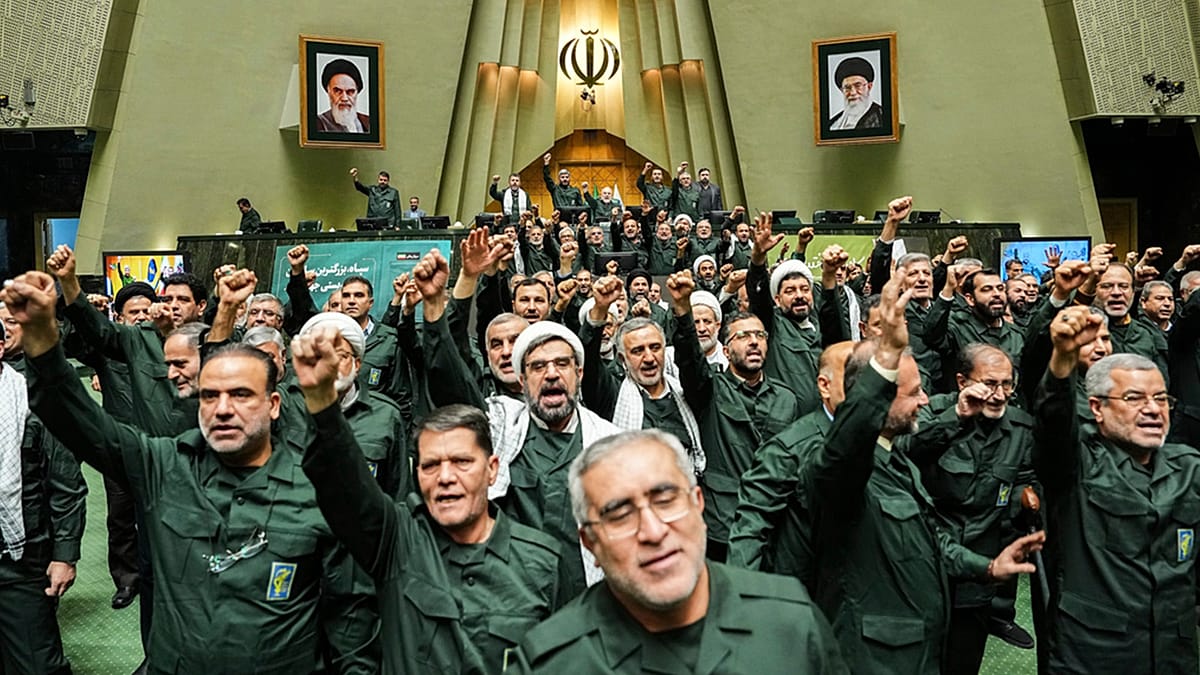
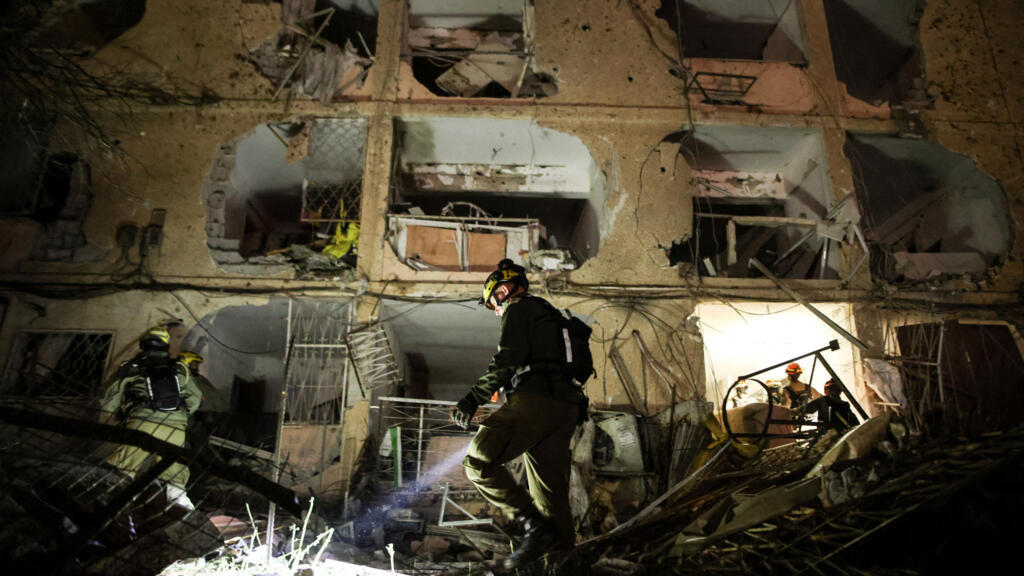
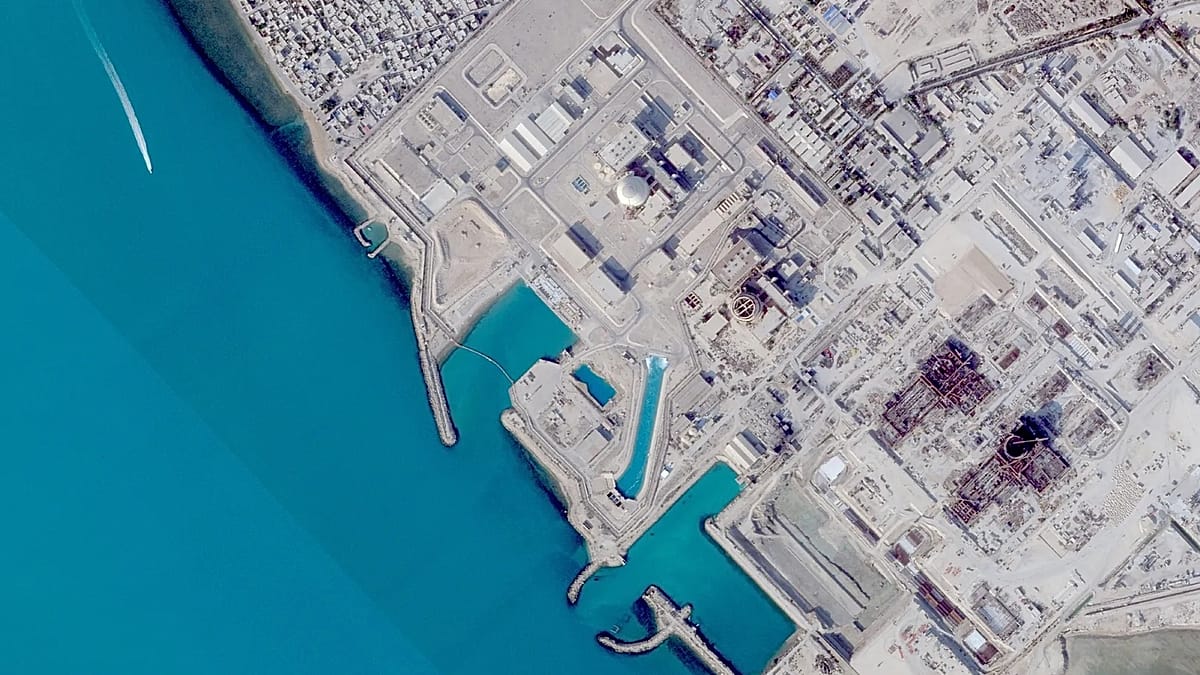
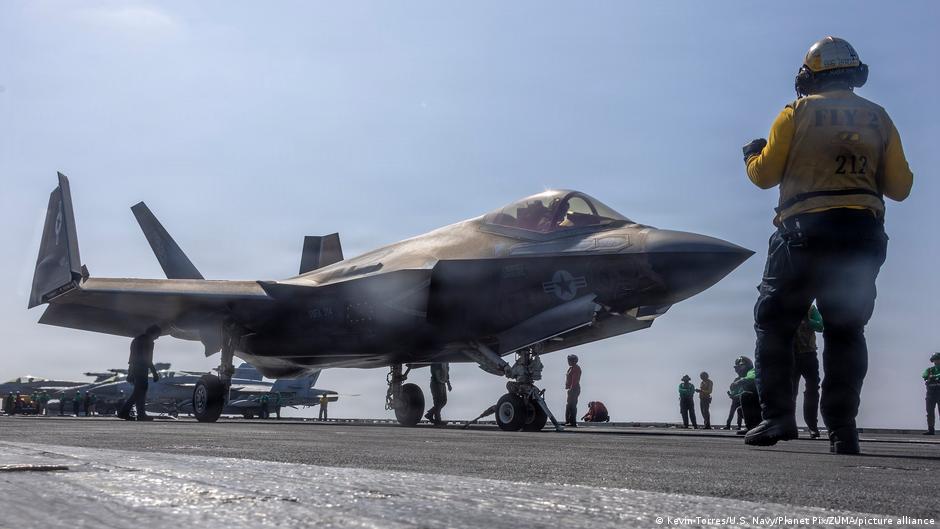
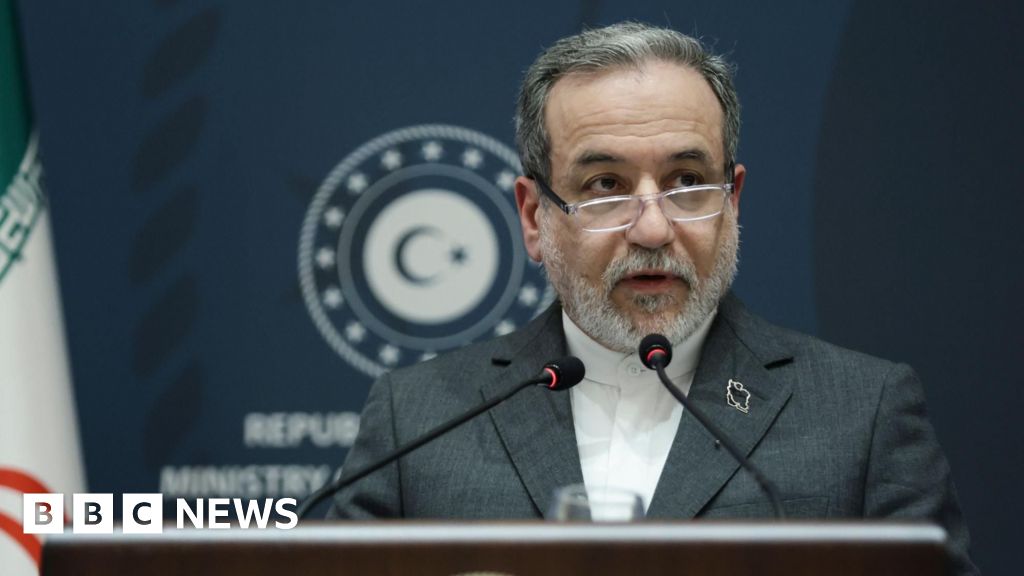
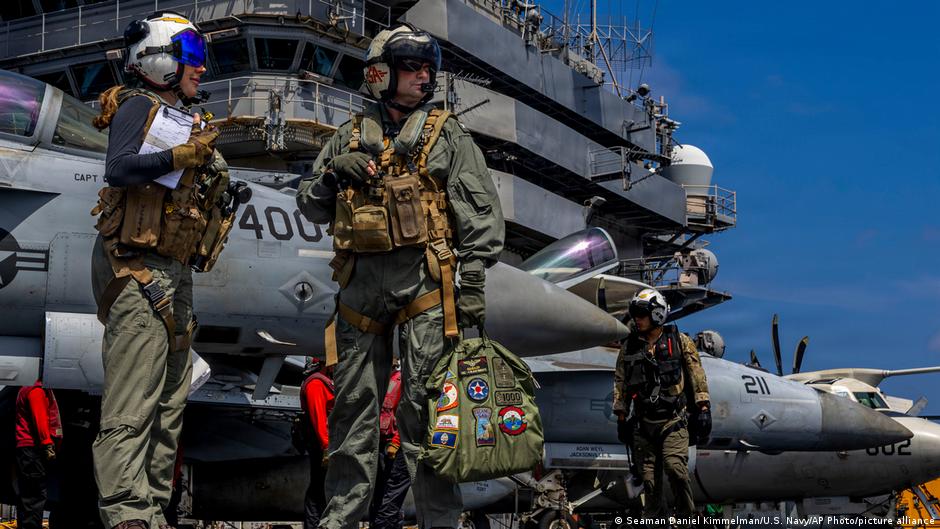
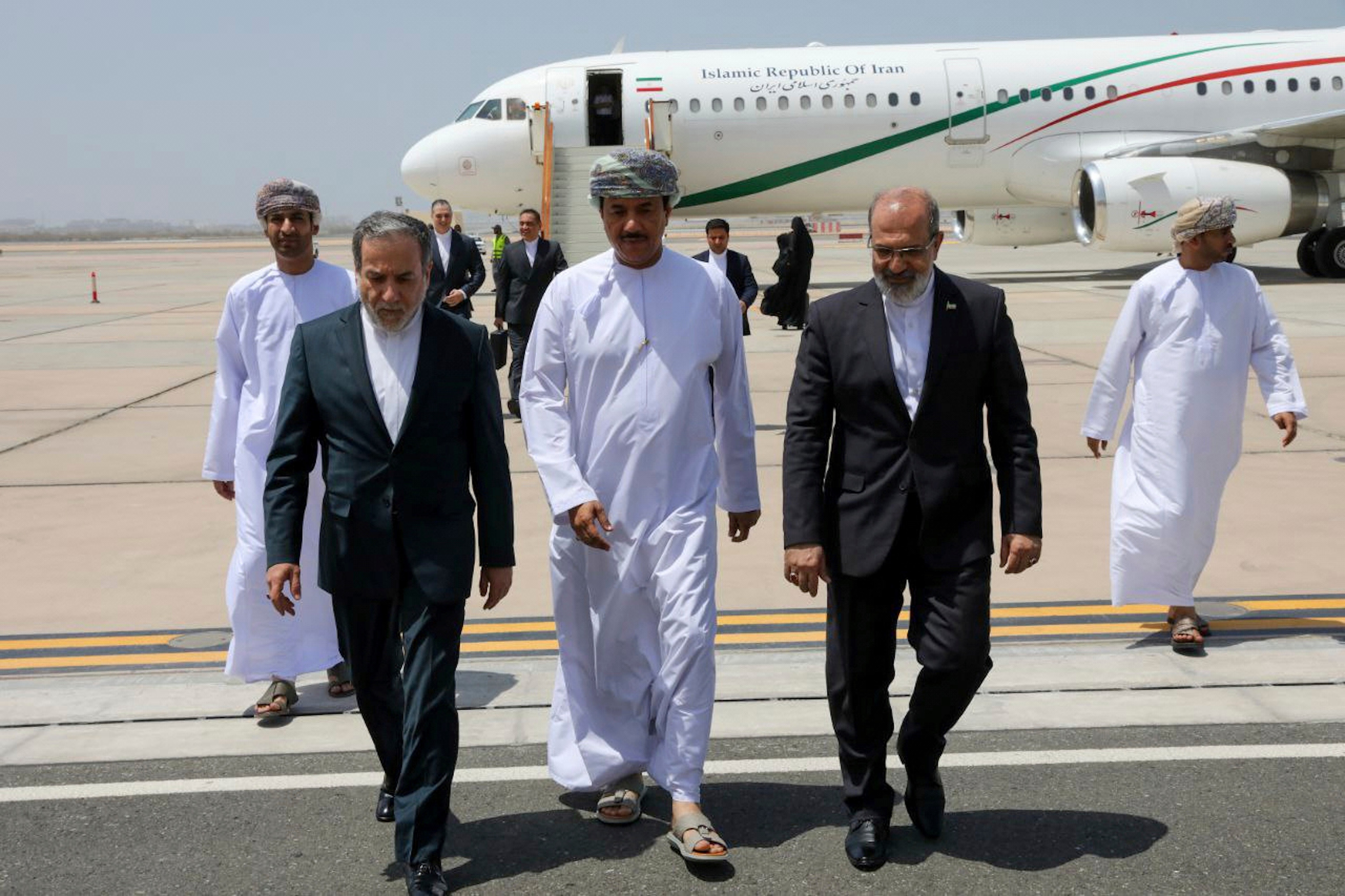
Nuclear negotiations between the United States and Iran are set to occur in Oman on Friday, as tensions escalate in the region. This meeting comes amid heightened military presence from the U.S. in the Middle East, following warnings from President Trump about potential consequences if an agreement is not reached. The situation has led to reciprocal threats of military action, raising concerns about the possibility of a broader conflict. This development is significant as it highlights the ongoing volatility in U.S.-Iran relations, which have been fraught with tension for decades. The choice of Oman as a venue underscores its role as a neutral mediator in regional disputes, reflecting a historical pattern of using third-party nations to facilitate dialogue. The stakes are high, as the outcomes of these talks could influence not only bilateral relations but also the stability of the entire Middle East. The situation exemplifies the complexities of international diplomacy, where military posturing and negotiations often coexist, and underscores the persistent challenges in addressing nuclear proliferation concerns. As both nations navigate this precarious landscape, the implications of their interactions will resonate beyond immediate headlines, shaping geopolitical dynamics for the foreseeable future.
Advertisement
Cluster Activity
Lindy Score Breakdown (V4.2)
Story Timeline
- 2026-01-30
- 2026-02-01
- 2026-02-02
- 2026-02-03
- 2026-02-04US and Iran now eyeing Oman for nuclear talks as tensions run high (current)
- 2026-02-05
Score BreakdownRisk 25
Stories gain Lindy status through source reputation, network consensus, and time survival.
Same Story from 11 sources




Breaking Similar stories





Anti-Lindy Similar stories