US-Iran tensions rise as Trump signals hope for nuclear deal
France24 • 1/30/2026 – 2/2/2026

Summary
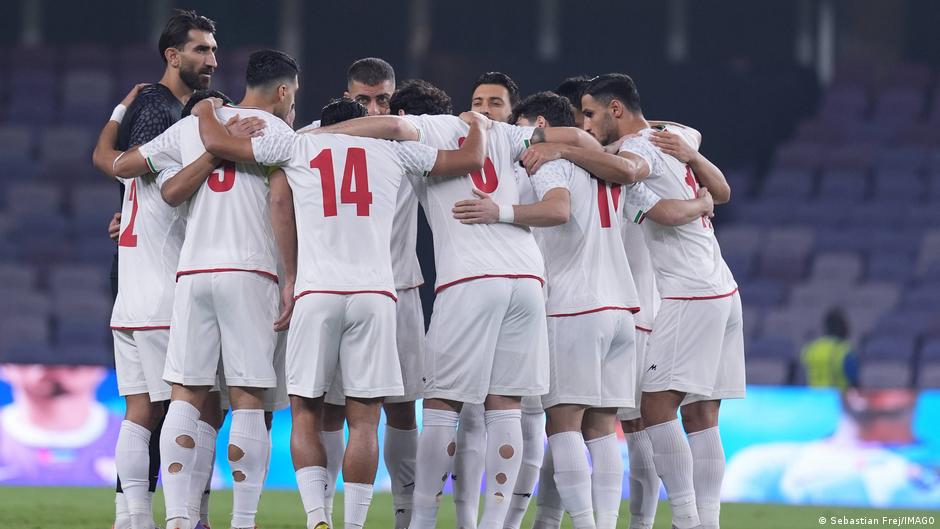
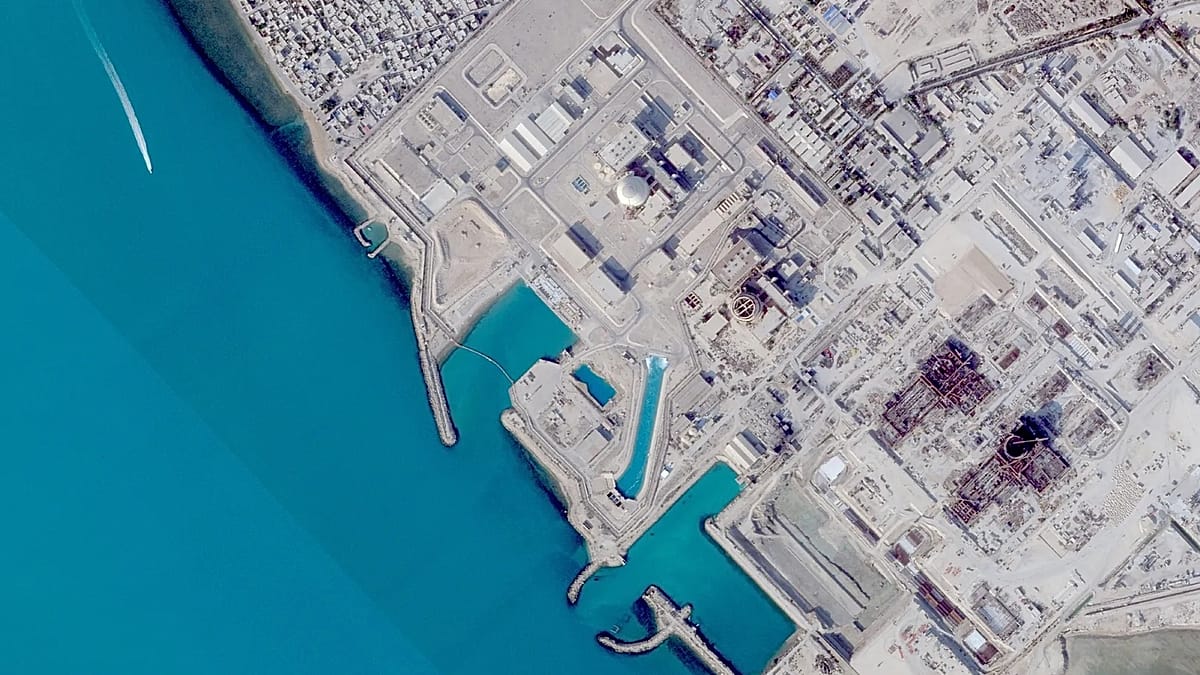
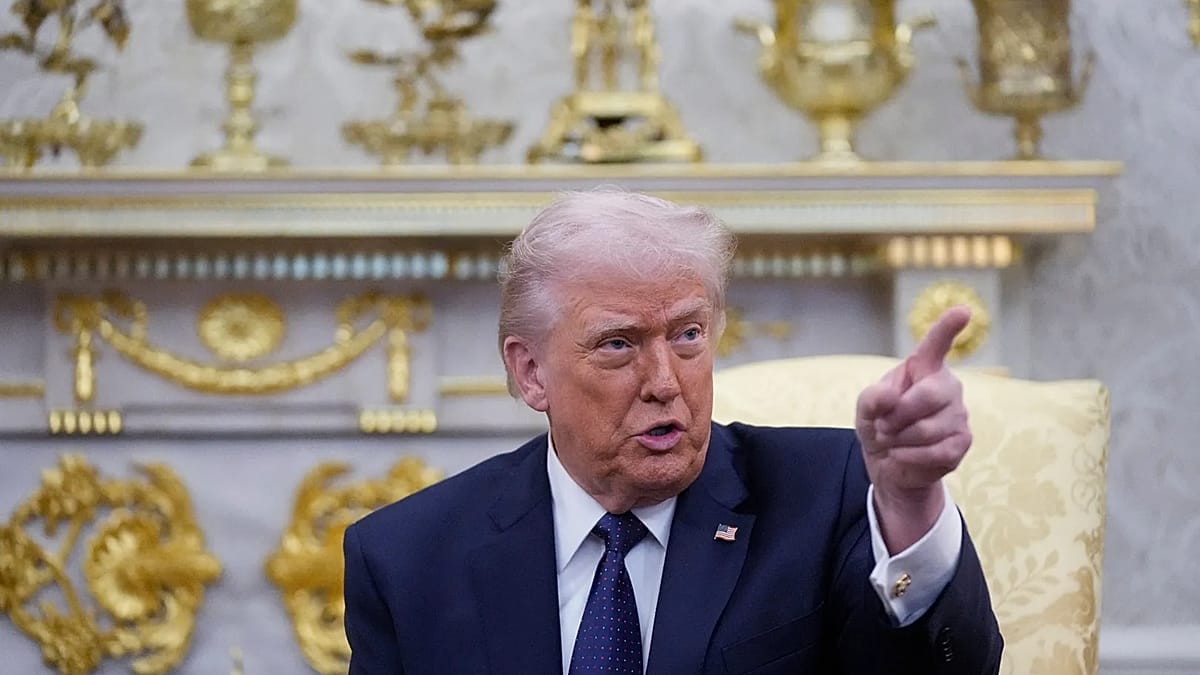
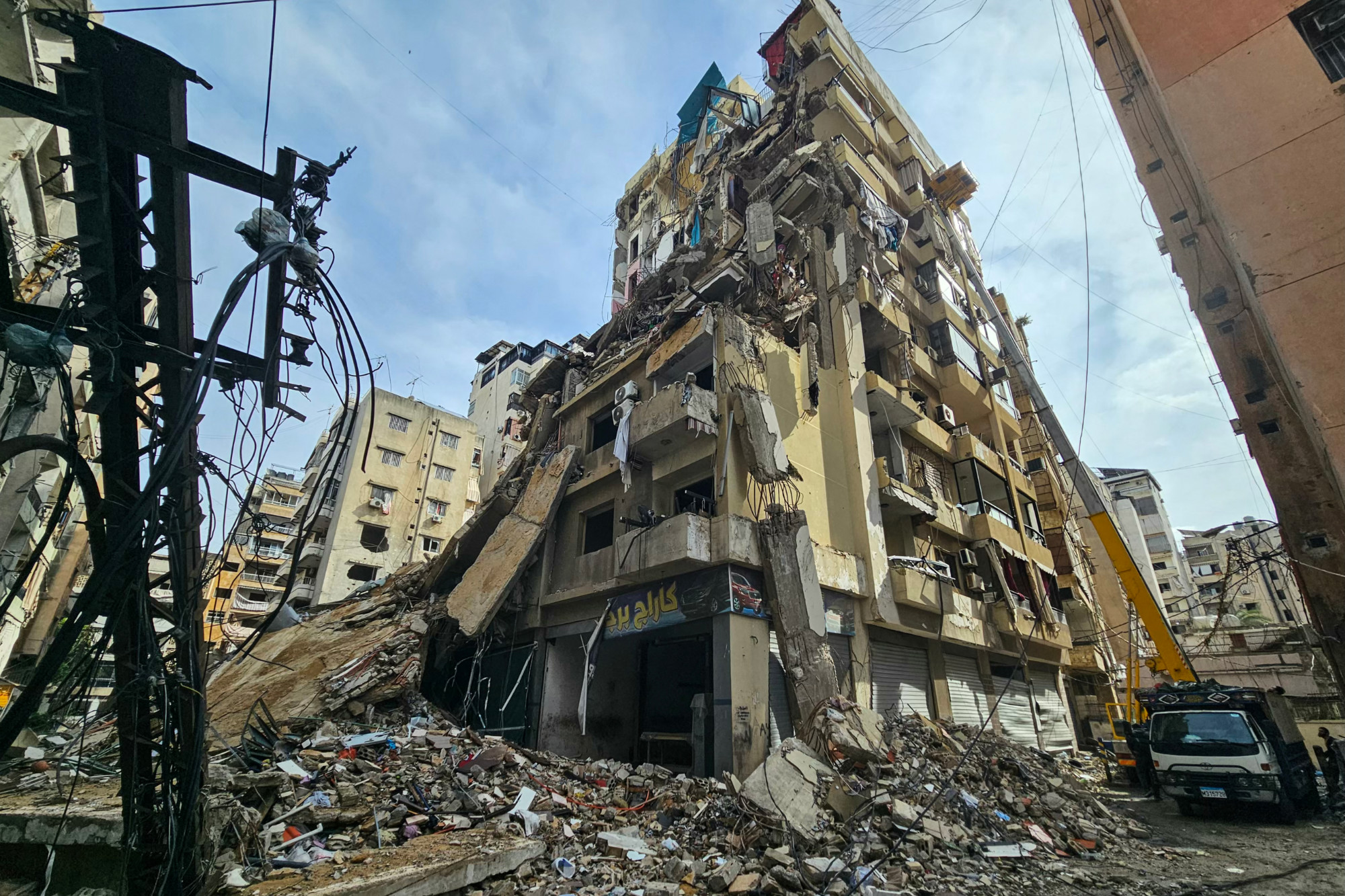
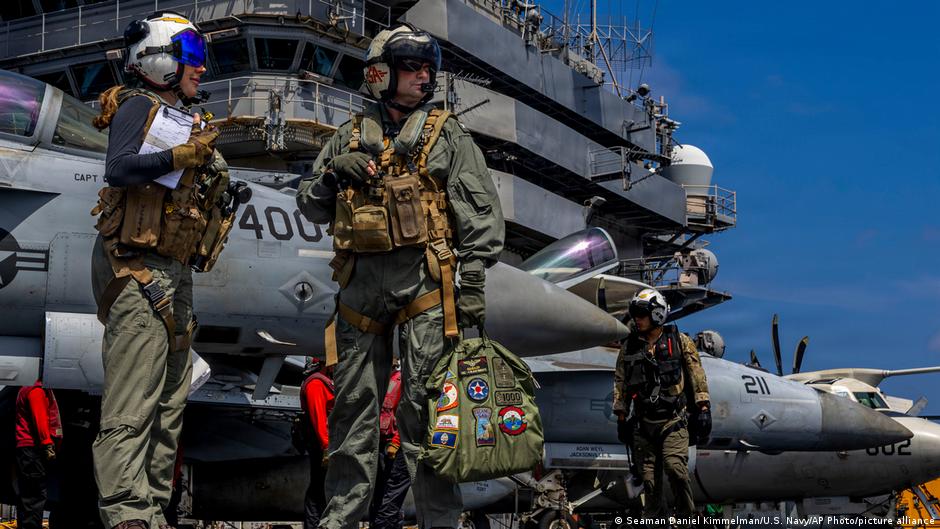
Tensions between the United States and Iran have intensified, marked by mutual threats and concerns over potential conflict escalation. President Donald Trump, while reinforcing military presence in the region, remains hopeful for a renewed nuclear agreement with Iran. Concurrently, Iran's leadership has cautioned that any military confrontation would have widespread repercussions across the Middle East. Relations between Iran and European nations have soured further, particularly after the EU's designation of Iran's Revolutionary Guard as a terrorist organization, which Tehran attributes to U.S. influence and blames for recent domestic unrest. This situation reflects a longstanding pattern of U.S.-Iran relations characterized by cycles of confrontation and negotiation. The historical context of the 2015 nuclear deal and its subsequent unraveling illustrates the complexities of diplomacy in the region. The designation of the Revolutionary Guard as a terrorist group signifies a shift in European policy, aligning more closely with U.S. interests, which may further alienate Iran and complicate diplomatic efforts. The broader implications of these tensions extend beyond bilateral relations, as they could destabilize the entire Middle East, affecting global security and economic interests. Understanding these dynamics is crucial, as they highlight the intricate interplay of regional power, international diplomacy, and the enduring quest for stability in a volatile landscape.
Advertisement
Cluster Activity
Lindy Score Breakdown (V4.2)
Story Timeline
- 2026-01-30
- 2026-02-01
- 2026-02-02US-Iran tensions rise as Trump signals hope for nuclear deal (current)
- 2026-02-03
- 2026-02-04
- 2026-02-05
Score BreakdownRisk 25
Stories gain Lindy status through source reputation, network consensus, and time survival.
Same Story from 11 sources




Breaking Similar stories

Anti-Lindy Similar stories