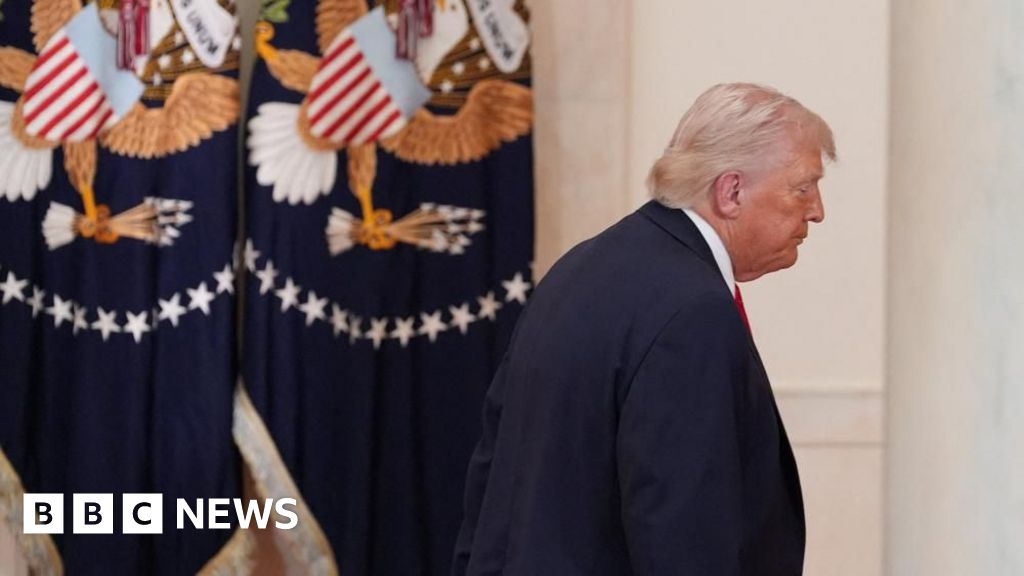
Iran wants to make deal rather than face military action, Trump says
BBC • 1/30/2026 – 1/31/2026
Summary
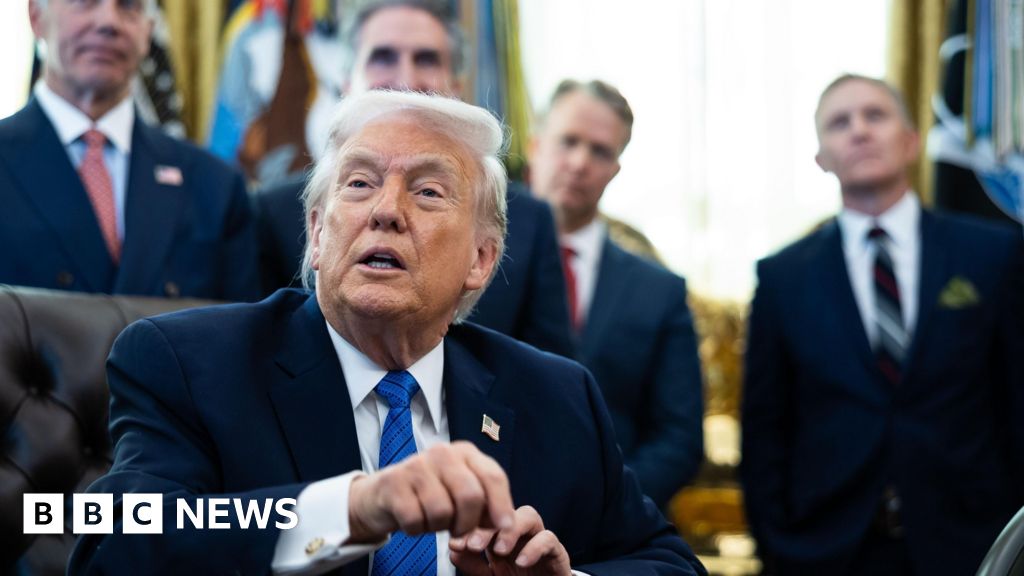
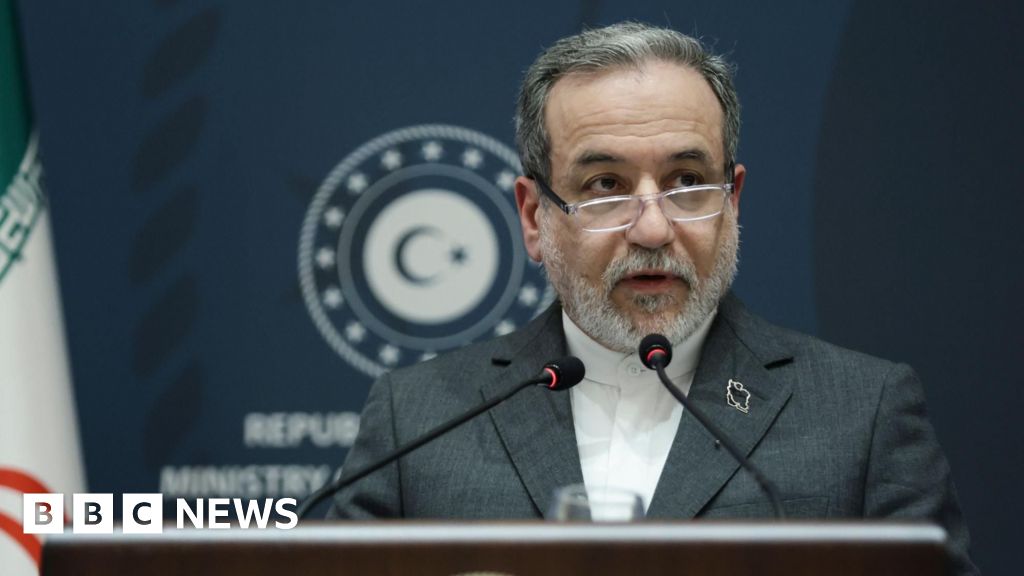
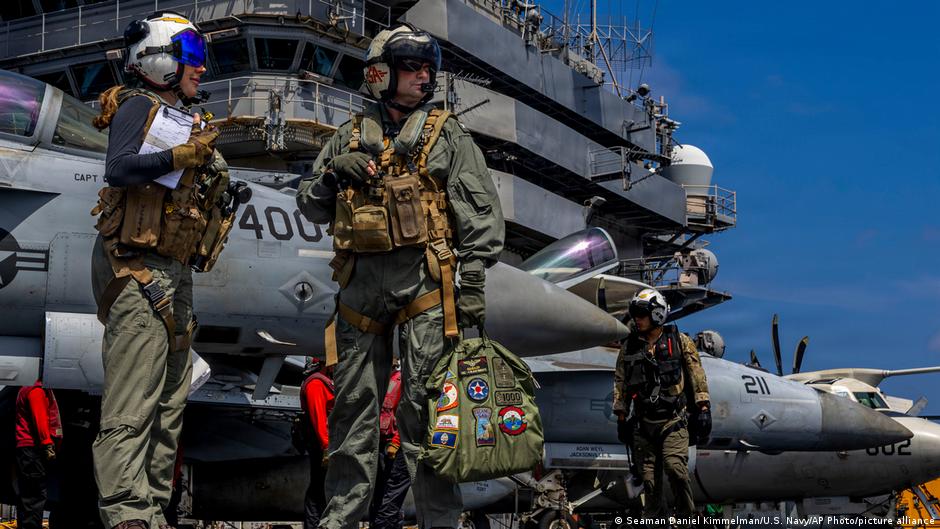
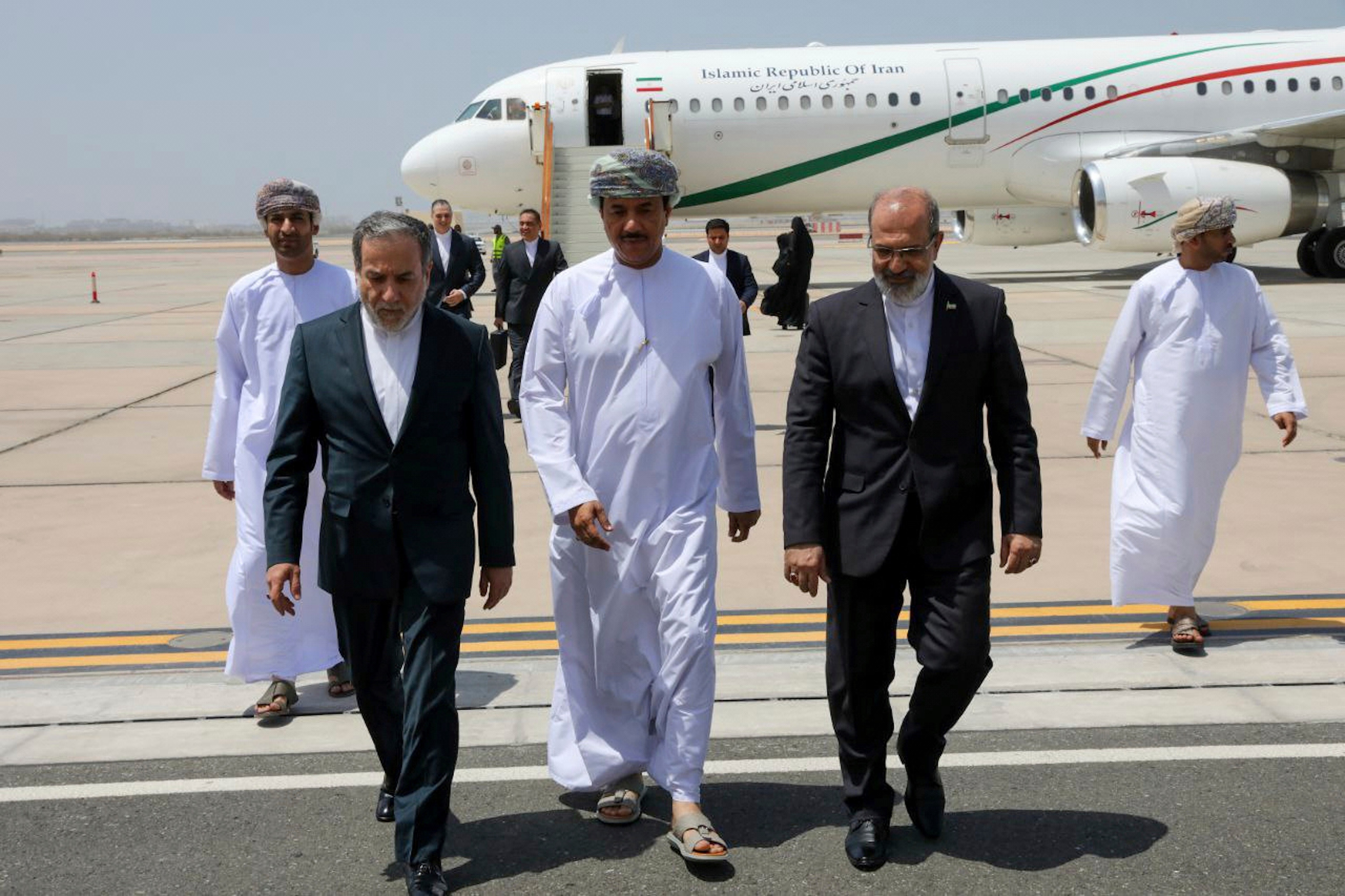
Iran has expressed a willingness to engage in negotiations with the United States, despite its firm stance against discussing its missile and defense systems. This openness to dialogue comes amid heightened tensions and military posturing, including the deployment of several U.S. warships near the Iranian coastline. U.S. President Donald Trump has acknowledged ongoing communications between Washington and Tehran, indicating that Iran is "seriously talking" about its nuclear program and expressing hope that the nation will agree to relinquish its nuclear weapons (Times of Israel). Recent statements from Iranian officials suggest potential advancements in negotiations with the U.S., which could reflect a shift in the long-standing pattern of confrontation and negotiation that has characterized U.S.-Iran relations for decades (Deutsche Welle). The backdrop to these diplomatic efforts includes the designation of Iran's Revolutionary Guard as a terrorist organization by the European Union, a move that Tehran attributes to U.S. influence and which has further soured relations between Iran and European nations (France24). The situation remains complex, with Trump reinforcing military presence in the region while simultaneously expressing hope for a renewed nuclear agreement with Iran. Iranian leadership has warned that any military confrontation could have widespread repercussions across the Middle East (France24). The U.S. has confirmed that nuclear talks with Iran are scheduled for Friday in Oman, indicating a continued commitment to diplomatic engagement despite the prevailing tensions (Haaretz).
Advertisement
Cluster Activity
Lindy Score Breakdown (V4.2)
Story Timeline
- 2026-01-30Iran wants to make deal rather than face military action, Trump says (current)
- 2026-02-01
- 2026-02-02
- 2026-02-03
- 2026-02-04
- 2026-02-05
AnalysisRisk 10
Same Story from 11 sources




Breaking Similar stories


Anti-Lindy Similar stories