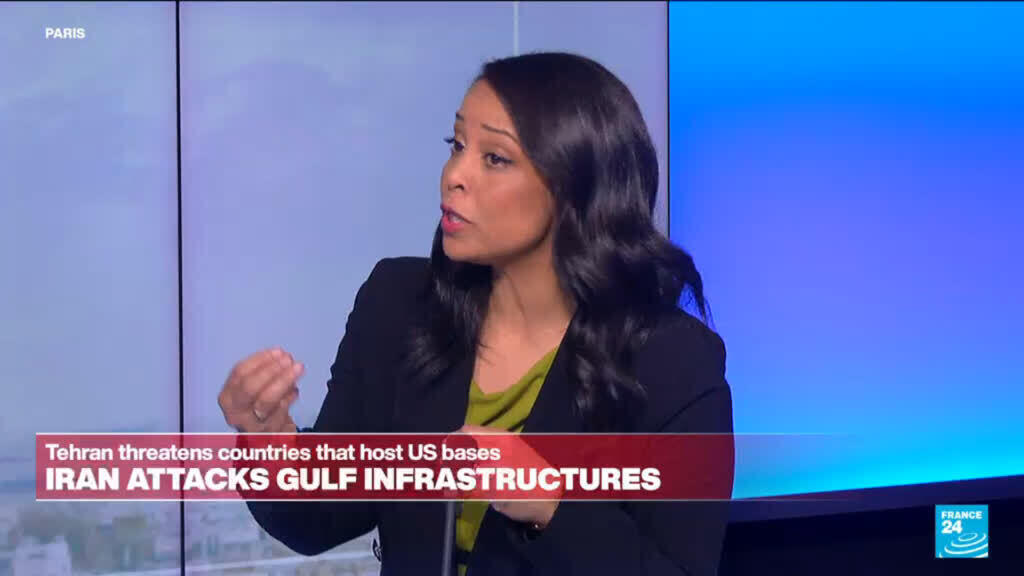
Iran's strikes on Gulf energy sites rattle markets and raise recession fears
Euronews • 2/15/2026 – 3/7/2026
Summary
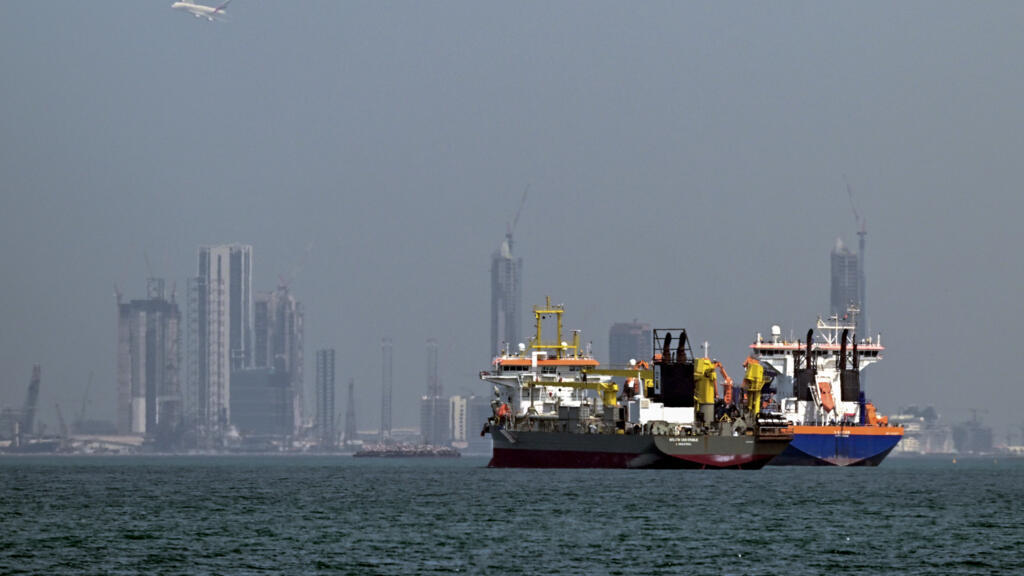
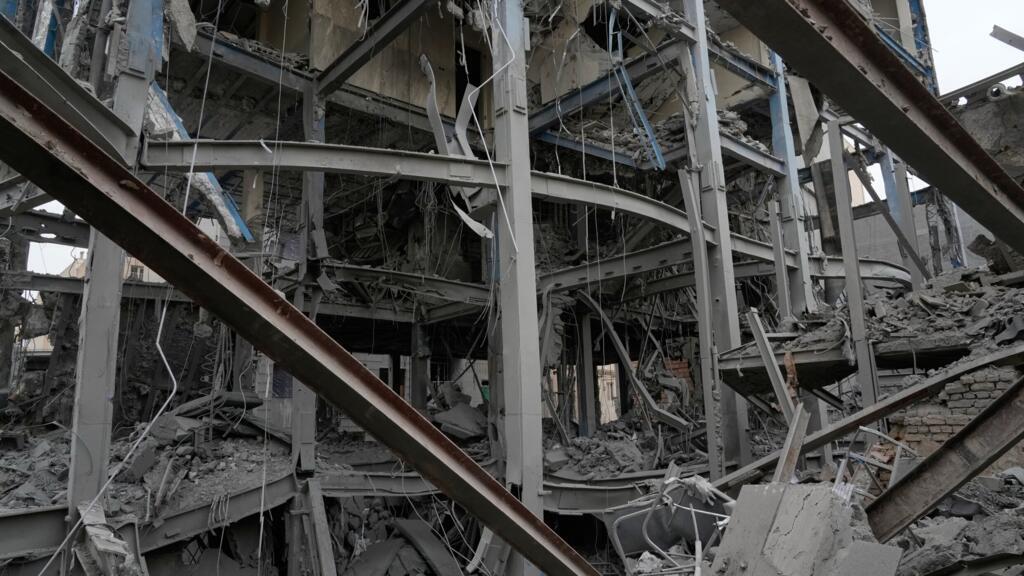
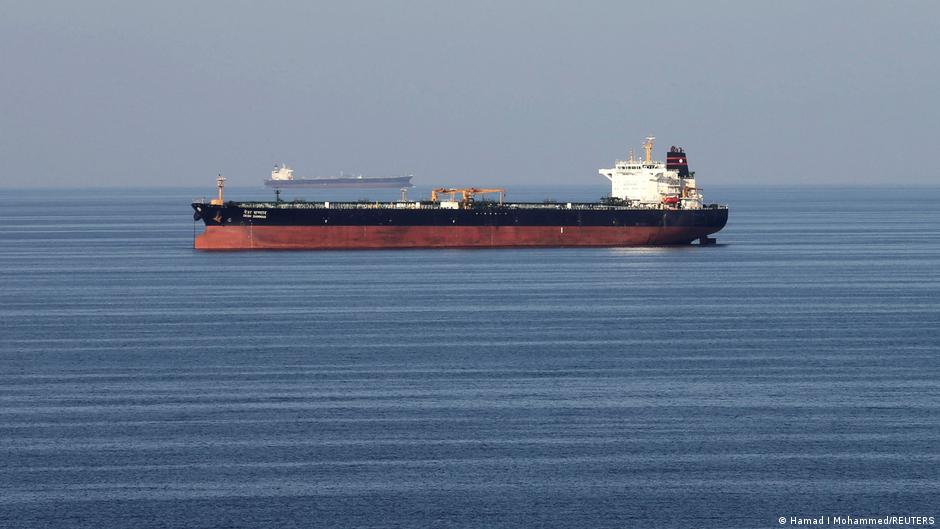
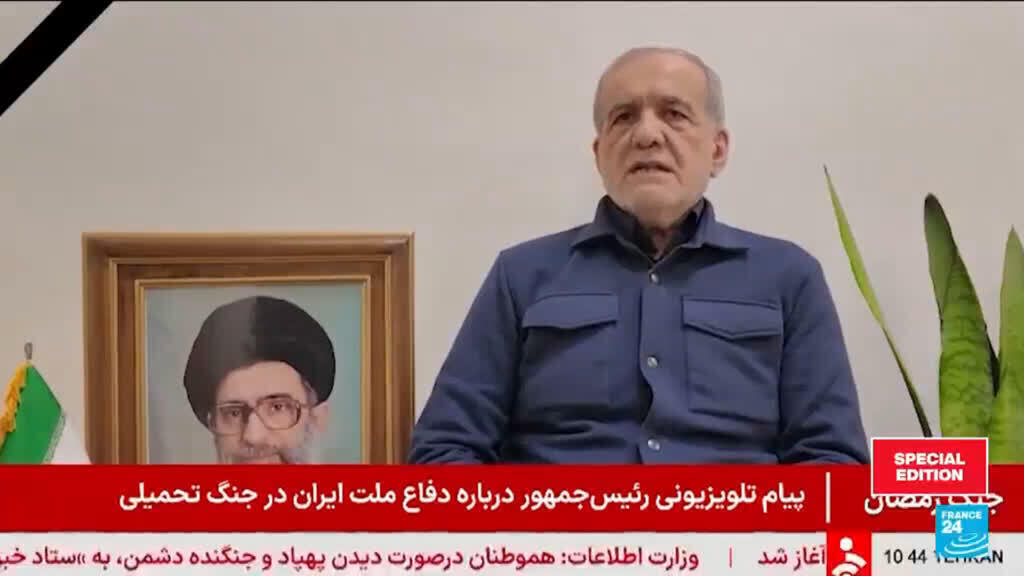
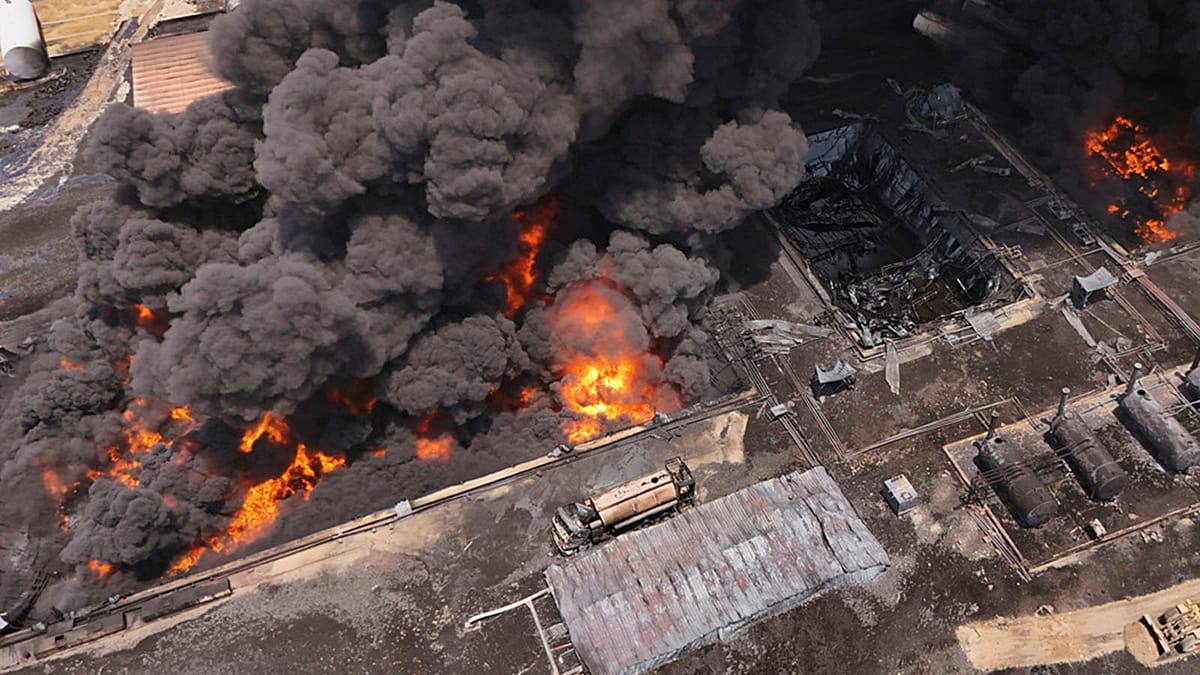
Iran has conducted strikes on energy sites across the Gulf and Azerbaijan, causing significant concerns regarding global energy supplies and potential economic repercussions. The situation is exacerbated by Iran's control over the Strait of Hormuz, a critical waterway for oil transportation, which has been temporarily closed during indirect talks with the United States. This closure and Iran's military activities in the region have led to heightened tensions and fears of a recession due to the strain on energy markets. In the context of these developments, a second round of nuclear talks between the United States and Iran is taking place in Geneva. These discussions follow a previous round aimed at addressing concerns about Iran's nuclear program. U.S. President Donald Trump has expressed belief that Iran is interested in reaching a deal, despite having previously threatened military action in response to Iran's domestic unrest. The U.S. has increased its military presence in the Middle East, coinciding with Iran's large-scale maritime exercises in the Strait of Hormuz, Persian Gulf, and Oman Sea. The geopolitical environment surrounding these negotiations is tense, with the international community closely monitoring the situation due to its implications for regional stability and global security. Oil prices have surged significantly, with Brent crude rising as much as 14 percent to over $82 per barrel, the highest level since January 2025, as traders and shipowners avoid the Strait of Hormuz due to the ongoing conflict and uncertainty. This situation highlights the Strait of Hormuz's critical role in the global economy and the potential risks posed by ongoing tensions in the region.
Advertisement
Cluster Activity
Lindy Score Breakdown (V4.2)
Story Timeline
- 2026-02-15
- 2026-02-16
- 2026-02-17
- 2026-02-18
- 2026-02-20
- 2026-02-22
- 2026-02-28
- 2026-03-01
Score BreakdownRisk 25
Stories gain Lindy status through source reputation, network consensus, and time survival.
Same Story from 11 sources





Breaking Similar stories







Anti-Lindy Similar stories