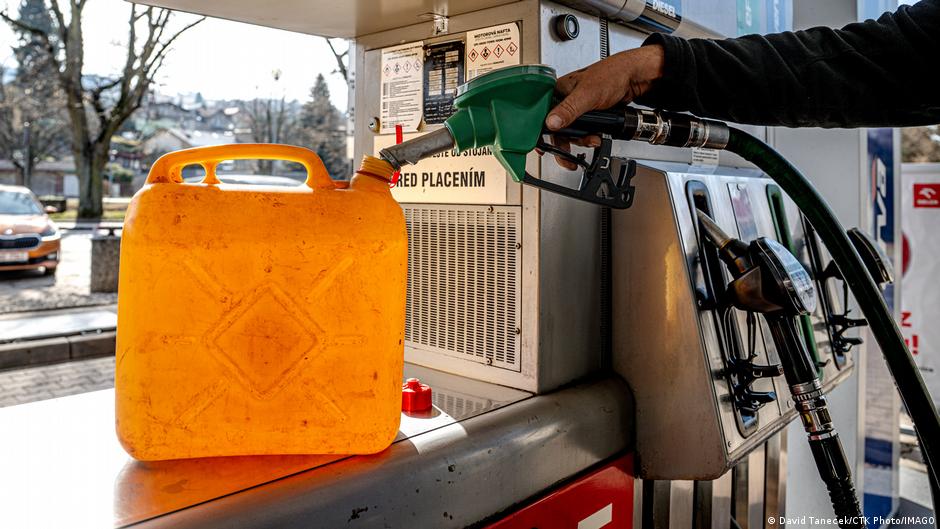
Germany, others partially release oil reserves amid Iran war
Deutsche Welle • 2/15/2026 – 3/11/2026
Summary
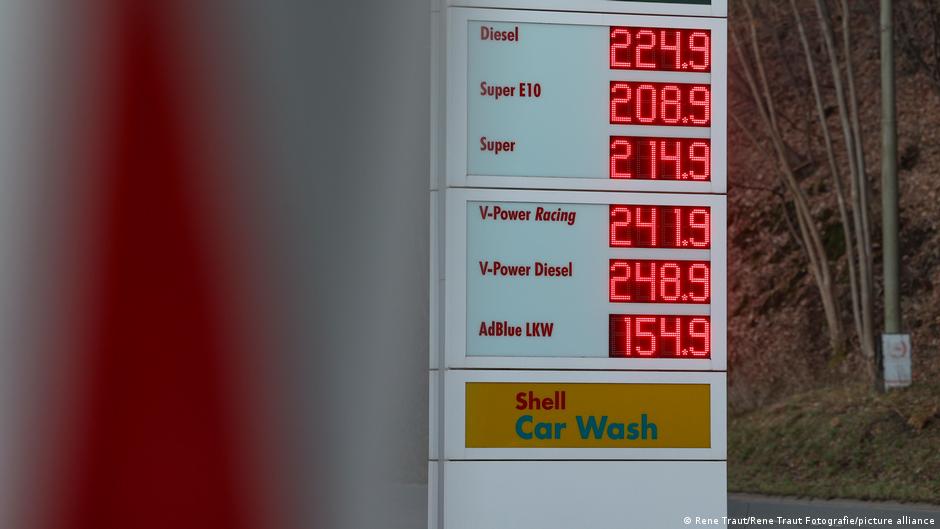
Germany, Austria, Japan, Spain, and France have announced plans to partially release their oil reserves in response to the ongoing conflict in Iran, which has led to a significant increase in oil prices. This decision comes a day after discussions by the International Energy Agency (IEA) regarding the potential benefits and drawbacks of such a move. The IEA has recommended a record release of 400 million barrels of oil amid the escalating situation. The conflict in Iran has intensified, with Iranian drones attacking Saudi Arabia’s Ras Tanura refinery, marking a significant escalation in regional hostilities. Additionally, Kuwait has reported intercepted attacks as Iran continues its retaliatory strikes against various countries in the region. The situation has raised concerns about a potential global oil shock, particularly following Iranian attacks on tanker ships in the Strait of Hormuz, which is a critical shipping route for a substantial portion of the world's oil consumption. Crude oil futures experienced a spike of approximately 8% on March 2nd due to these developments. The Strait of Hormuz, which connects the Persian Gulf to the Gulf of Oman, is vital for oil transport, and its effective closure has heightened fears of disruptions in global oil supply. In response to Iran's threats to block oil exports, the United States has reported the destruction of 16 Iranian mine-laying vessels, further escalating tensions in the region. As the situation unfolds, the international community remains vigilant regarding the implications of the Iran war on global oil markets and security. The coordinated efforts by several countries to release oil reserves reflect a proactive approach to mitigate the impact of rising oil prices and ensure stability in energy supplies during this crisis.
Advertisement
Cluster Activity
Lindy Score Breakdown (V4.2)
Story Timeline
- 2026-02-15
- 2026-02-16
- 2026-02-17
- 2026-02-18
- 2026-02-20
- 2026-02-22
- 2026-02-28
- 2026-03-01
Score BreakdownRisk 25
Stories gain Lindy status through source reputation, network consensus, and time survival.
Same Story from 11 sources








Breaking Similar stories





Anti-Lindy Similar stories