What role is oil playing in the war in the Middle East and what's at stake?
France24 • 2/15/2026 – 3/15/2026
Summary
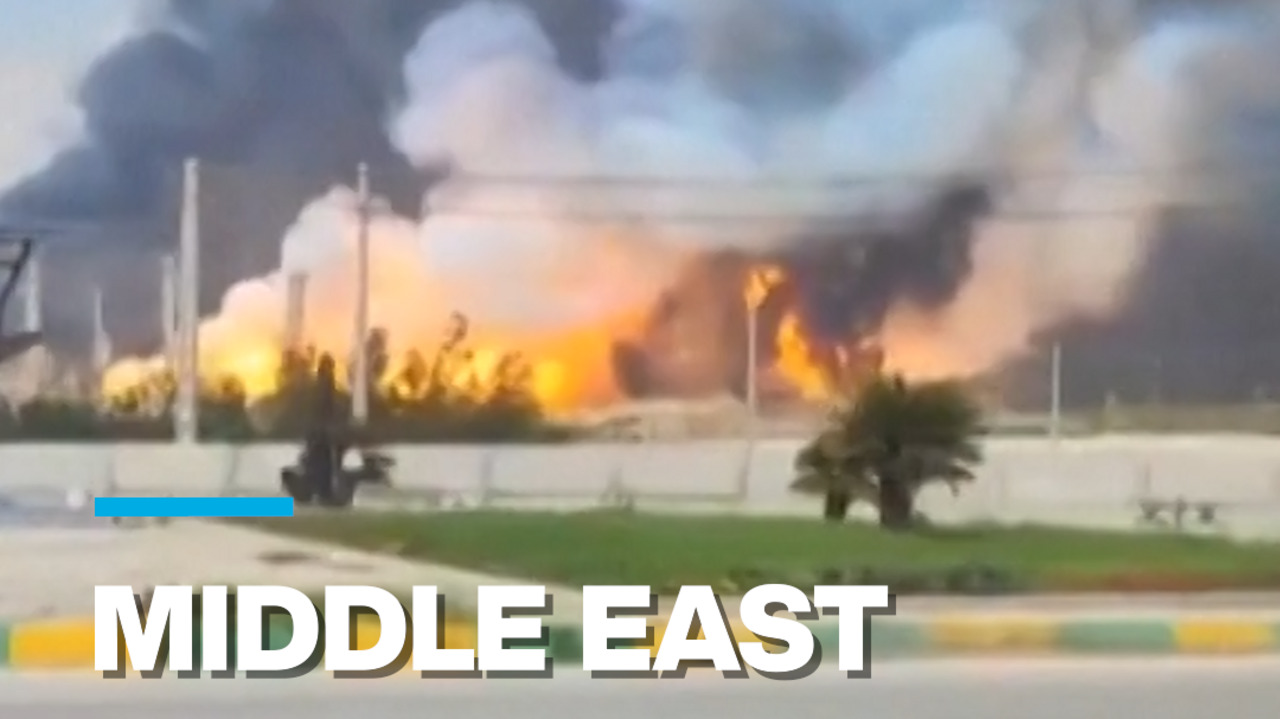
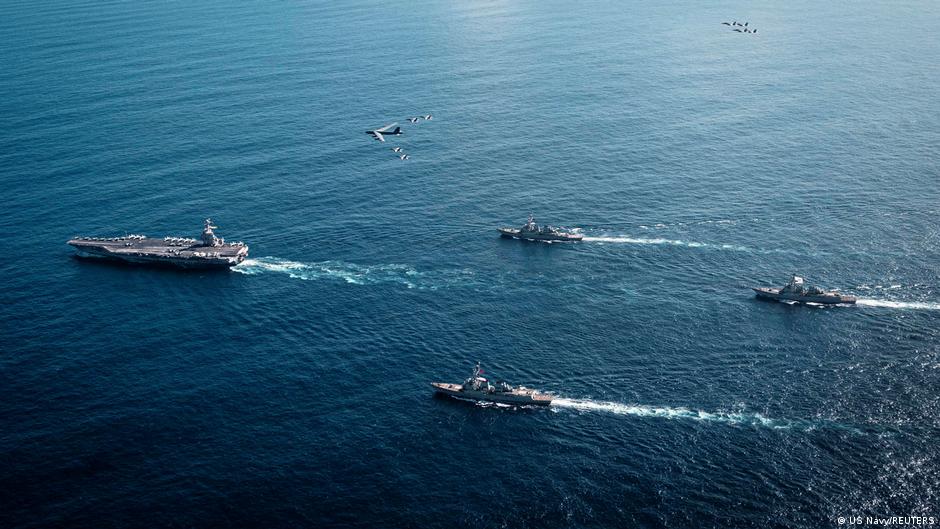
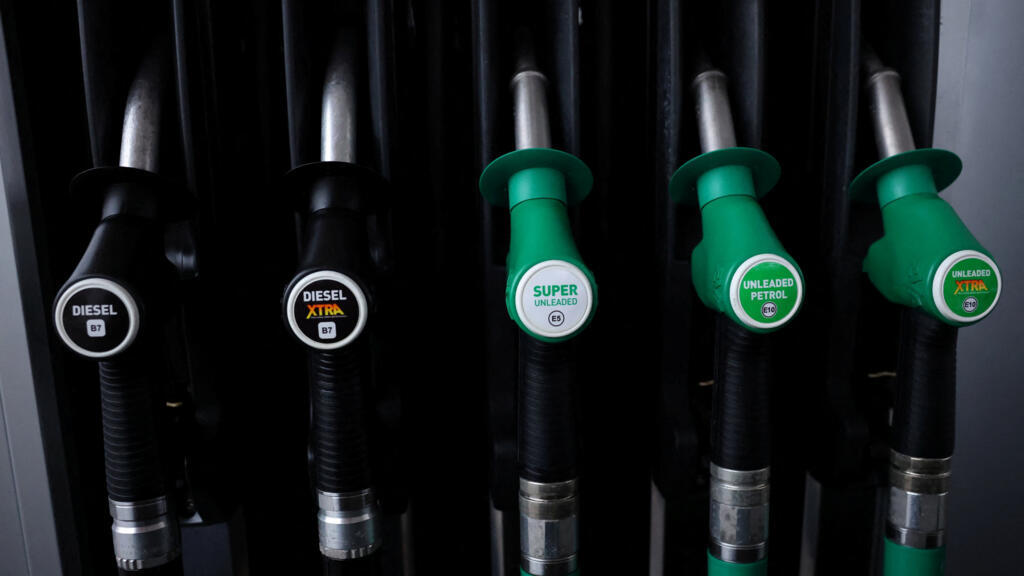
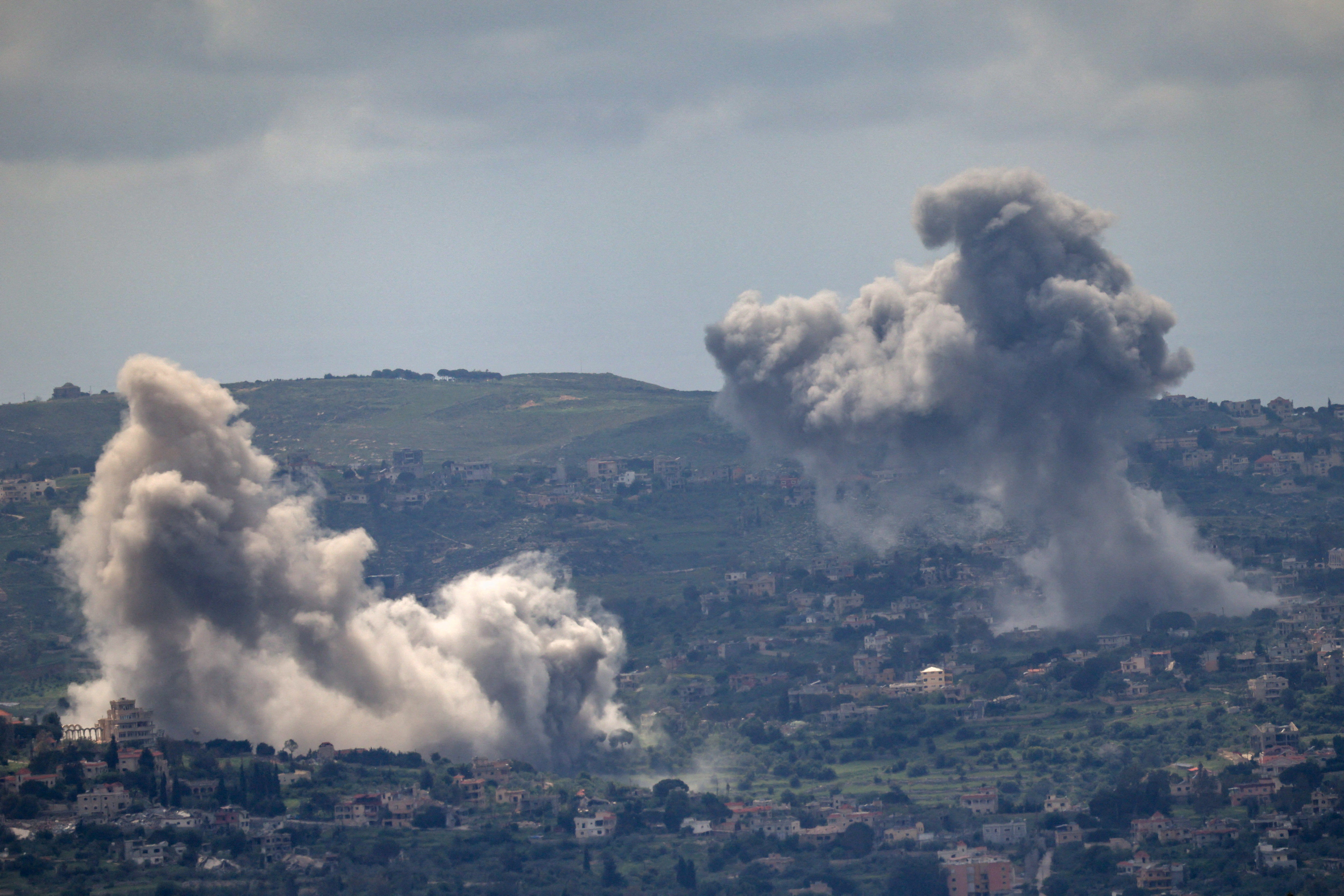
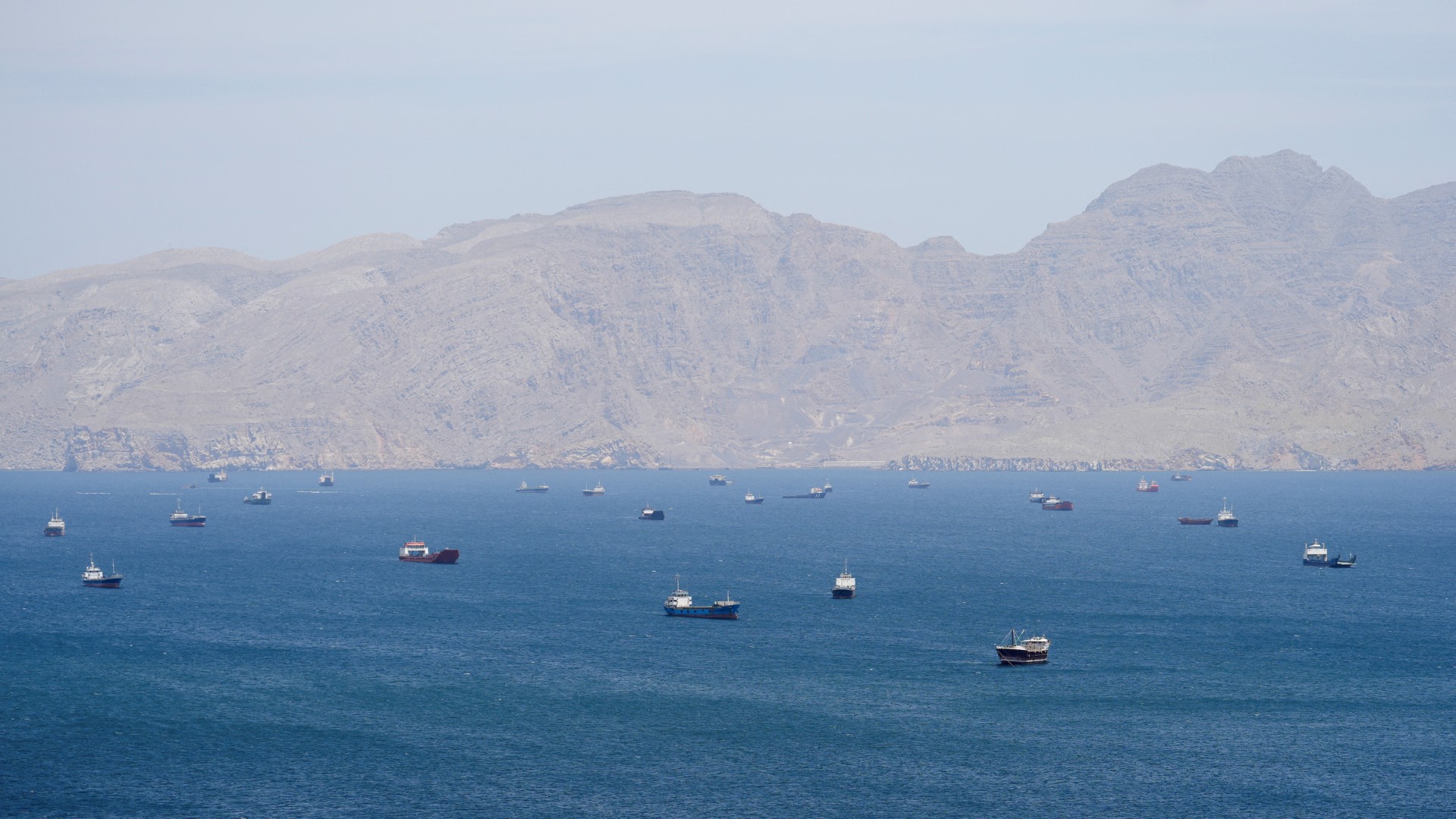
The ongoing conflict involving Iran has led to significant disruptions in global oil markets, following attacks launched by the United States and Israel against Iran over two weeks ago. In retaliation, Iran has targeted various locations across the Gulf, including attacks on Saudi Arabia’s Ras Tanura refinery. The situation has escalated to the point where Iran has effectively halted shipping through the Strait of Hormuz, a critical route for oil transport. As a result, global oil prices have surged, with crude oil futures spiking approximately 8% on March 2nd. The International Energy Agency (IEA) has responded by agreeing to release a record 400 million barrels of emergency oil reserves, surpassing the previous record of 182.7 million barrels released in 2022 during the Russia-Ukraine war. Countries such as Germany, Austria, Japan, Spain, and France are also planning to partially release their oil reserves to mitigate the rising prices linked to the conflict in Iran. Japan holds stockpiled oil equivalent to about 254 days of domestic demand, with the release of some reserves expected to begin soon. The coordinated efforts by multiple nations to release oil reserves reflect a proactive approach to stabilize energy supplies during this crisis. In addition to the attacks on oil infrastructure, Iraq has paused operations at all of its oil ports following an attack on two tankers in Iraqi waters, while Oman has evacuated all ships from its main oil export terminal. The international community is closely monitoring the implications of the Iran conflict on global oil markets and security. Iranian President Masoud Pezeshkian has stated that a temporary leadership council has decided to suspend attacks on neighboring countries unless provoked, amid calls from Gulf states for Iran to avoid further retaliation.
Advertisement
Cluster Activity
Lindy Score Breakdown (V4.2)
Story Timeline
- 2026-02-15
- 2026-02-16
- 2026-02-17
- 2026-02-18
- 2026-02-20
- 2026-02-22
- 2026-02-28
- 2026-03-01
Score BreakdownRisk 25
Stories gain Lindy status through source reputation, network consensus, and time survival.
Same Story from 11 sources






Breaking Similar stories








Anti-Lindy Similar stories