Supreme Court Lets Trump Revoke Deportation Protections for Venezuelans
The New York Times • 10/3/2025 – 10/21/2025
Summary
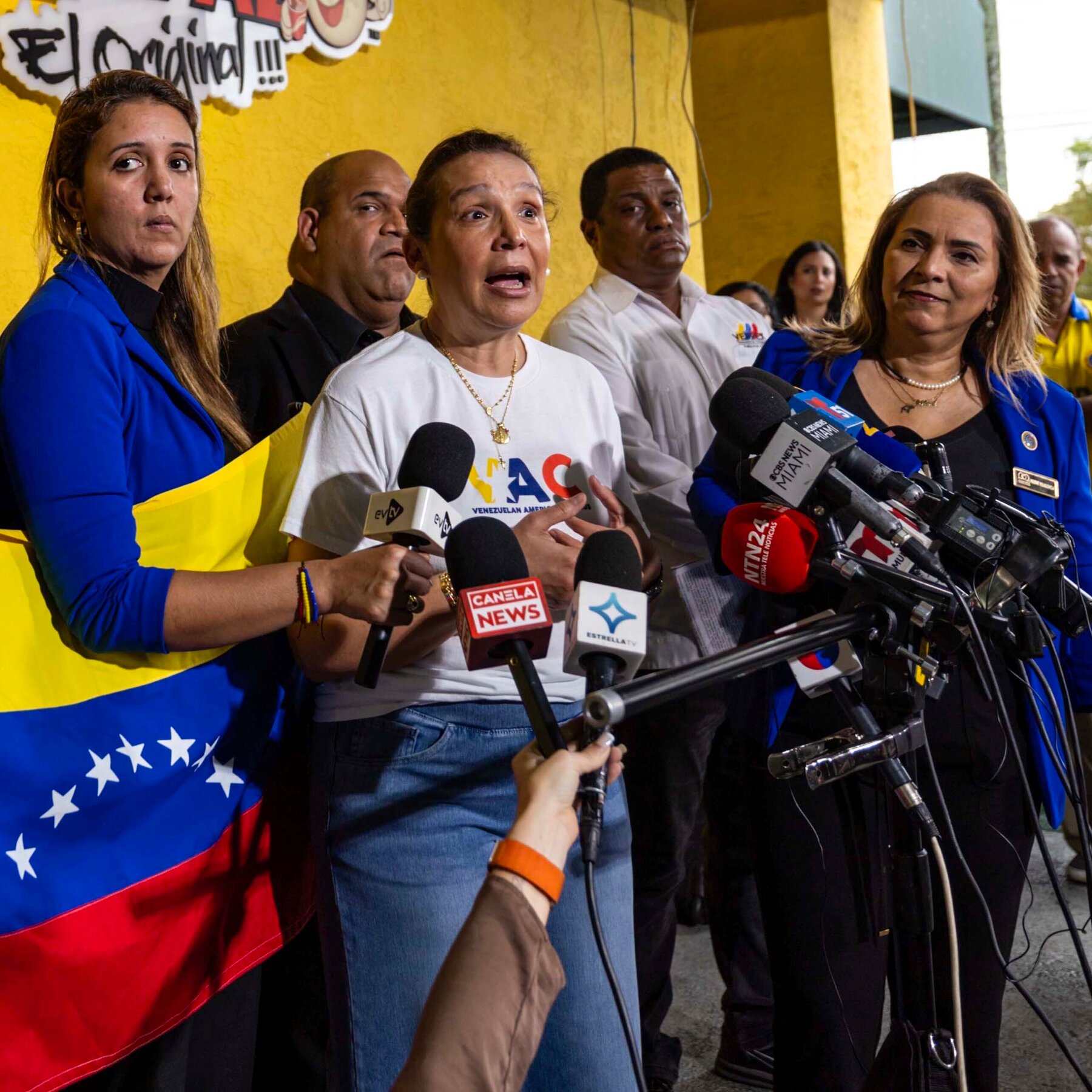
The Supreme Court has allowed the Trump administration to revoke deportation protections for over 300,000 Venezuelan immigrants. This decision marks a significant shift in immigration policy, as the administration has sought to end these protections, which were initially put in place to safeguard Venezuelans facing political and economic turmoil in their home country. The ruling comes as the Supreme Court faces various cases that test the limits of presidential power, particularly those related to the Trump administration's agenda. As the justices return to the bench, they are confronted with significant issues that could impact the balance of power between the executive branch and the judiciary. The court's decisions in these cases are critical, as they may set precedents for future actions by the administration. In addition to immigration policy, the Supreme Court is also dealing with other contentious issues, including the deployment of National Guard forces in urban areas, as requested by President Trump. This request has faced opposition from state and local officials, highlighting ongoing tensions regarding federal authority and local governance. The implications of the Supreme Court's rulings extend beyond immigration, affecting various aspects of governance and the relationship between state and federal powers. As the court navigates these complex issues, its decisions will play a crucial role in shaping the legal landscape in the United States.
Advertisement
Cluster Activity
Lindy Score Breakdown (V4.2)
Story Timeline
- 2025-10-03Supreme Court Lets Trump Revoke Deportation Protections for Venezuelans (current)
- 2025-10-06
- 2025-10-12
- 2025-10-15
- 2025-10-17
- 2025-10-20
- 2025-10-27
- 2025-10-29
AnalysisRisk 20
Same Story from 11 sources









Breaking Similar stories

Anti-Lindy Similar stories