Supreme Court Extends Order Allowing Limits on Food Stamp Payments
The New York Times • 10/3/2025 – 11/12/2025
Summary
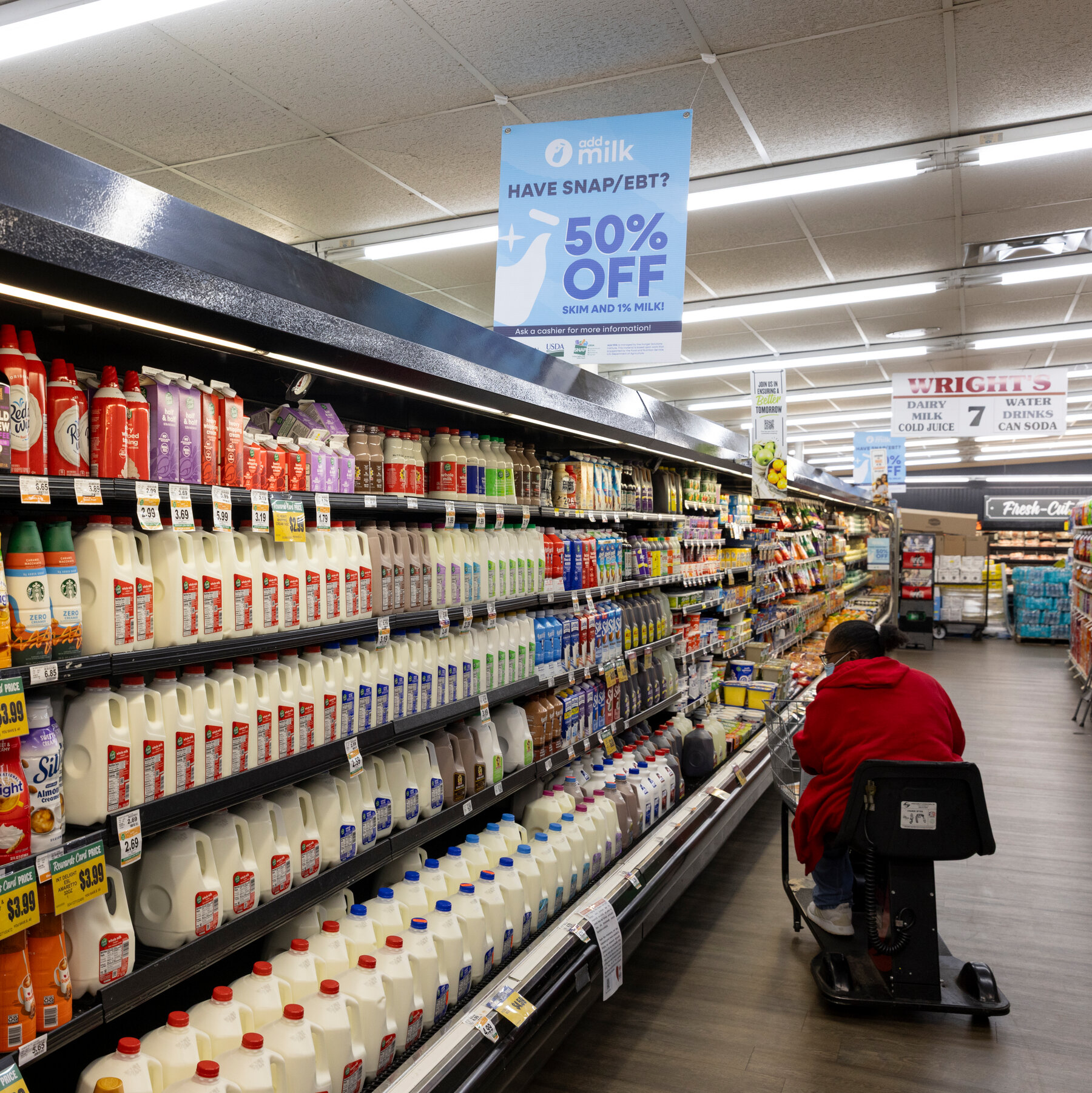
The U.S. Supreme Court has extended an order that allows the Trump administration to limit food stamp payments. This decision permits the administration to withhold full benefits for an additional two days while Congress works on advancing a government funding bill. The ruling reflects the ongoing legal and political challenges surrounding the administration's policies as the justices return to the bench. As the Supreme Court begins its new term, it is set to confront a series of cases that are central to President Trump's agenda. The court's decisions in these cases could have significant implications for various aspects of governance and policy, including issues related to immigration and electoral processes. The justices are expected to review multiple cases that test the boundaries of presidential power and executive authority. In addition to the food stamp payments case, the Supreme Court has agreed to review other significant matters, including an executive order that seeks to end birthright citizenship. Lower courts have previously ruled that this order violates the Constitution, and the administration is seeking the justices' support to uphold it. Furthermore, the court has cleared the way for a Trump administration policy regarding transgender passports, which requires that passports reflect the sex as indicated on an original birth certificate. These developments illustrate the Supreme Court's pivotal role in shaping the legal landscape surrounding the Trump administration's policies, as well as the broader implications for American governance and civil rights. The court's decisions in the upcoming term will be closely watched as they may influence the political climate leading up to the 2026 midterm elections.
Advertisement
Cluster Activity
Lindy Score Breakdown (V4.2)
Story Timeline
- 2025-10-03
- 2025-10-06
- 2025-10-12
- 2025-10-15
- 2025-10-17
- 2025-10-20
- 2025-10-27
- 2025-10-29
AnalysisRisk 20
Same Story from 11 sources










Breaking Similar stories

Anti-Lindy Similar stories