Supreme Court Considers Whether Street Preacher Can Sue to Be Heard
The New York Times • 10/3/2025 – 12/3/2025

Summary
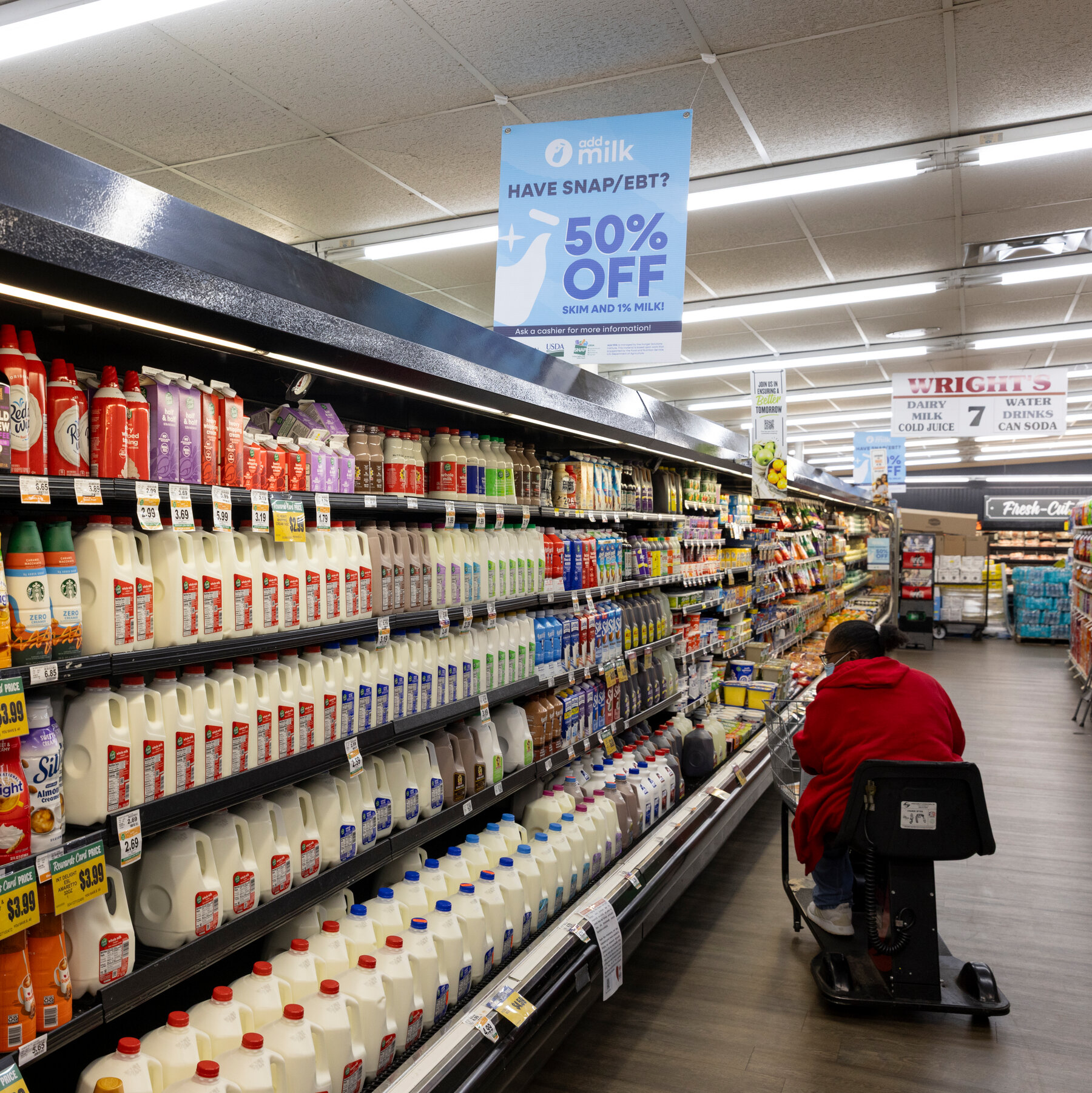
The Supreme Court is currently considering a case involving Gabriel Olivier, a street preacher who was arrested for violating an ordinance on demonstrations outside an amphitheater in Brandon, Mississippi. Olivier seeks to block future enforcement of this law, which has implications for free speech and the rights of individuals to express their views in public spaces. In addition to this case, the Supreme Court has recently made significant rulings affecting various aspects of governance and public policy. One notable decision allows the Trump administration to temporarily withhold full aid under the Supplemental Nutrition Assistance Program (SNAP), raising concerns among families who rely on food stamp payments. This ruling has left many families uncertain about their access to essential food resources, highlighting the potential impact of the court's decisions on vulnerable populations. The court is also addressing contentious issues related to the balance of power between the executive branch and the judiciary. Among these is President Trump's request to deploy National Guard troops in urban areas, including Chicago, despite opposition from state and local officials. The outcomes of these cases are expected to have lasting implications for governance and the relationship between state and federal powers. Furthermore, the Supreme Court has cleared the way for the Trump administration's policy regarding transgender passports, which requires that passports reflect the sex indicated on an individual's original birth certificate. Additionally, the court has allowed the administration to revoke deportation protections for over 300,000 Venezuelan immigrants. These decisions reflect ongoing legal challenges that test the limits of presidential power, particularly concerning immigration and executive authority.
Advertisement
Cluster Activity
Lindy Score Breakdown (V4.2)
Story Timeline
- 2025-10-03
- 2025-10-06
- 2025-10-12
- 2025-10-15
- 2025-10-17
- 2025-10-20
- 2025-10-27
- 2025-10-29
AnalysisRisk 20
Same Story from 11 sources






Breaking Similar stories

Anti-Lindy Similar stories