What the Supreme Court throwing out Trump’s tariffs means for you
The Washington Post • 2/20/2026 – 2/21/2026
Summary
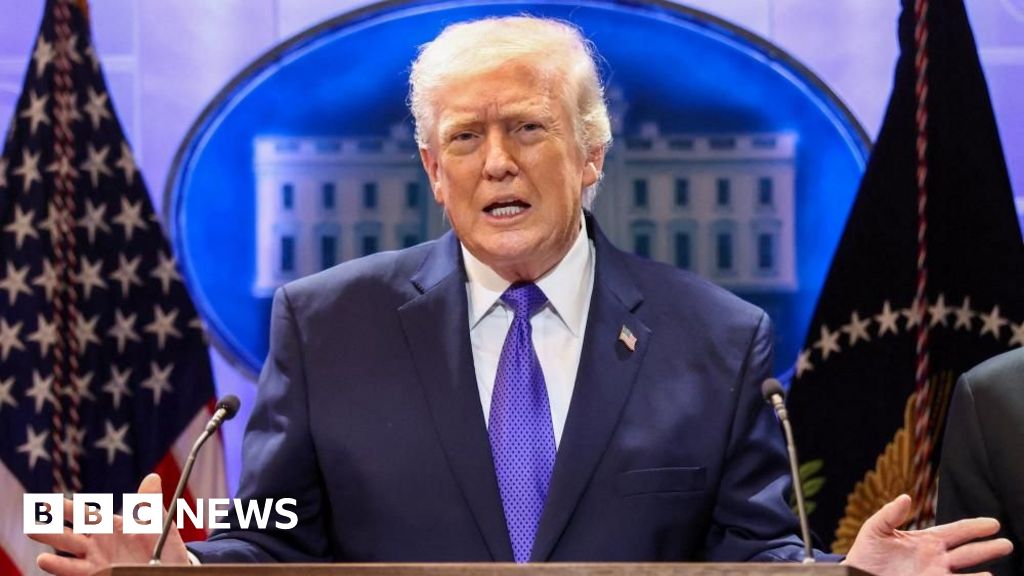
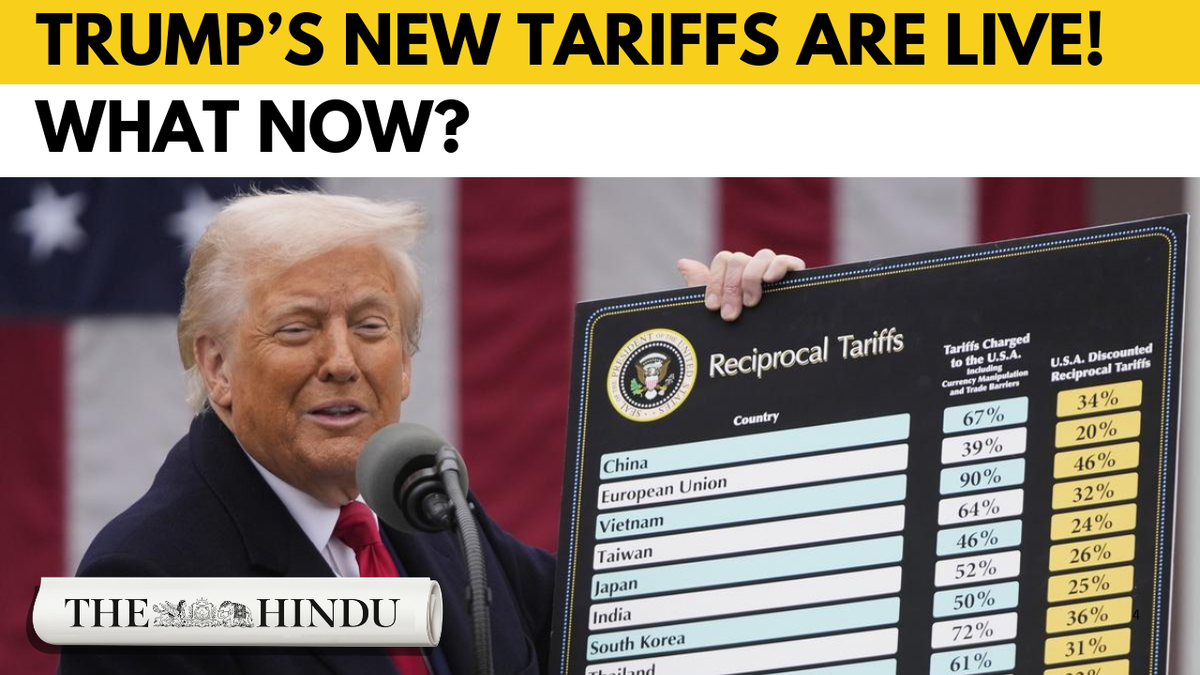
The Supreme Court has struck down former President Donald Trump’s tariffs, marking a significant check on executive power. This decision has been described as a major blow to Trump's trade policies, which had imposed sweeping tariffs on various imports. The ruling has sparked a strong response from Trump and his supporters, who have vowed to implement new levies in retaliation. The court's action reflects a broader legal scrutiny of executive authority in trade matters, emphasizing the need for congressional approval for such significant economic measures. The tariffs, which were originally intended to protect American industries, have faced criticism for their impact on consumers and businesses. The Supreme Court's ruling is expected to have immediate effects on the economy, potentially leading to lower prices for goods that were previously subject to high tariffs. Analysts suggest that the decision could also influence future trade negotiations and the overall approach of the U.S. government towards international trade relations. In the aftermath of the ruling, discussions are underway regarding the implications for U.S. trade policy. The Associated Press notes that the decision may lead to a reevaluation of existing tariffs and a shift in strategy for the Biden administration. As the political landscape evolves, the ruling could prompt renewed debates over trade practices and the balance of power between the executive branch and Congress in determining tariffs.
Advertisement
Cluster Activity
Lindy Score Breakdown (V4.2)
Story Timeline
- 2026-02-20
- 2026-02-21What the Supreme Court throwing out Trump’s tariffs means for you (current)
AnalysisRisk 10
Same Story from 11 sources



Breaking Similar stories
Anti-Lindy Similar stories