Human Dignity as a Geopolitical Condition
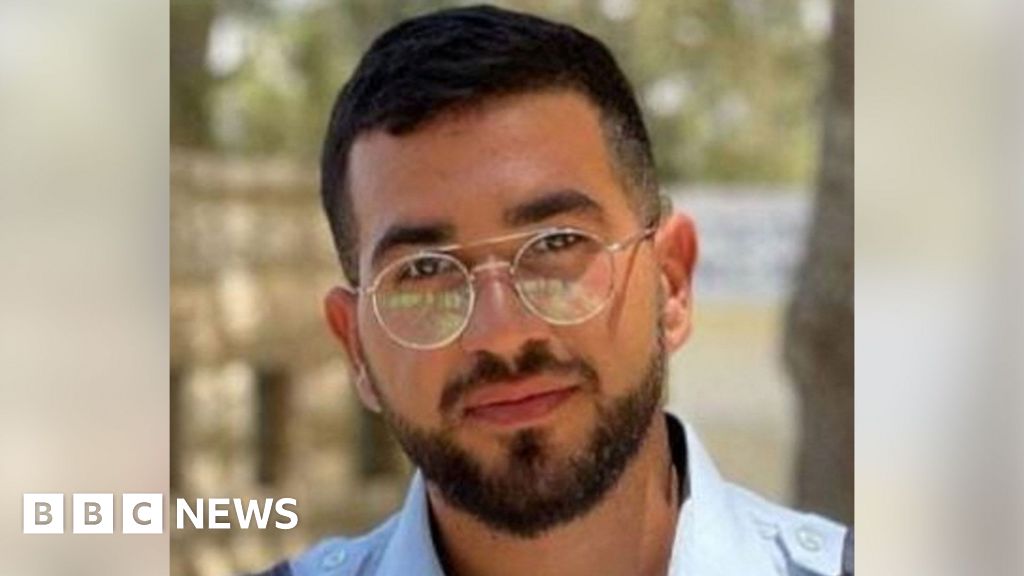
The news cluster illustrates how the profound value placed on human dignity and the state's perceived 'sacred obligation' to its citizens (even posthumously, as seen in the relentless search for Ran Gvili's remains) can become a pivotal condition in complex geopolitical negotiations. The recovery of the last hostage's body was explicitly linked to the reopening of the Rafah crossing and the progression of a ceasefire plan. This demonstrates how deeply held national values and the pursuit of closure for individual lives can exert significant leverage and shape strategic decisions in international conflict, transforming a humanitarian imperative into a geopolitical prerequisite.
Human Dignity as a Geopolitical ConditionHuman Dignity as a Geopolitical Condition
It's a curious alchemy, isn't it? How an abstract, deeply moral concept like human dignity can suddenly manifest as a tangible, immovable force in the brutal calculus of international relations. We often speak of dignity as an ideal, a value to be upheld, but rarely do we consider it a geopolitical condition – a prerequisite, a non-negotiable hinge upon which the gears of grand strategy must turn. Yet, the recent news surrounding the search for Ran Gvili’s remains, explicitly linked to the reopening of the Rafah crossing and the progression of a ceasefire, offers a stark, immediate illustration of this profound truth.
What does it mean for dignity to be a "condition"? It means that beyond the moral appeals and humanitarian urgings, a state’s perceived "sacred obligation" to its citizens – even posthumously – becomes a practical constraint on its foreign policy and military operations. It’s not merely about the living; it extends to the deceased, to the very idea of a proper end, a dignified return, a closure that transcends individual grief to become a collective national imperative. This deeply held national value transforms into a leverage point, shaping strategic decisions far beyond what conventional power politics might predict.
This isn't a modern invention. The intrinsic value of human life, and the political weight of respecting it, has echoed through history. From ancient burial rites, where denying the dead their due was an act of profound political and spiritual transgression, to Enlightenment philosophers like Kant who posited humans as ends in themselves, not means, the concept has always held a special, often politically charged, place. Post-World War II, with the Universal Declaration of Human Rights, this notion gained legal and normative weight, embedding dignity into the very fabric of international discourse. Yet, its power often stems from something more primal: the collective grief, the national honor, and the implicit contract between a state and its people.
Consider the enduring saga of American Prisoners of War (POWs) and Missing in Action (MIAs) from the Vietnam War. For decades after the conflict officially ended, the search for remains and accounting for the missing remained a potent political force, influencing US-Vietnam relations, trade agreements, and diplomatic engagement. The tireless advocacy of families, fueled by an unshakeable belief in the dignity owed to their loved ones, prevented the full normalization of relations until substantial progress was made on the MIA issue. It was a humanitarian quest that became a non-negotiable geopolitical condition, demonstrating how the dignity of individual lives could hold an entire bilateral relationship hostage.
Just as with the MIAs, the recovery of Ran Gvili's body wasn't merely a humanitarian act for his family; it was articulated as a specific condition for the reopening of a vital border crossing and the progression of ceasefire talks. This demonstrates how deeply national values and the pursuit of closure for individual lives can exert significant leverage, shaping strategic decisions far beyond what conventional power politics might predict. It's a reminder that even in the coldest calculations of power, the shadow of human dignity can cast a surprisingly long and decisive geopolitical reach.
But if the dignity of one life can halt the gears of grand strategy, what happens when countless lives are at stake, their dignity violated en masse? Does the geopolitical weight of dignity diminish with scale, or does it demand an even more profound, yet often unfulfilled, reckoning?