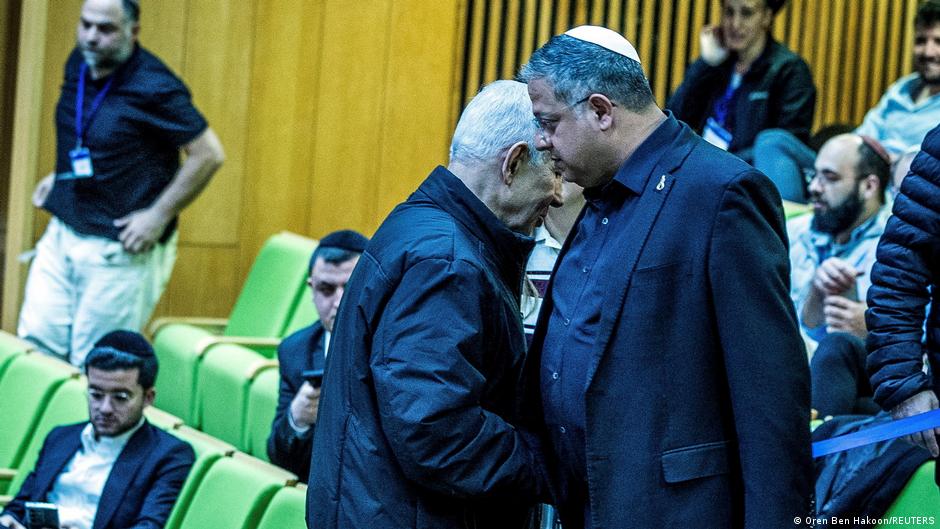
Israel Says It Will Reopen Gaza-Egypt Border Crossing in Days
The New York Times • 1/25/2026 – 1/29/2026
Summary
Israel has announced plans to reopen the Rafah border crossing between Gaza and Egypt within days, following the conclusion of its operation to locate the remains of the last captive held in Gaza. This decision comes amid ongoing tensions in the region and is expected to facilitate the movement of people and goods, which has been severely restricted. The reopening of the Rafah crossing highlights the complex dynamics of the Israeli-Palestinian conflict and the humanitarian issues that persist in Gaza. Historically, border crossings in this region have been critical points of contention, often reflecting broader geopolitical struggles. The Rafah crossing's status has significant implications for the movement of aid and the daily lives of Gazans, underscoring the ongoing humanitarian crisis. This situation is emblematic of the cyclical nature of conflict in the area, where temporary measures can lead to renewed tensions. The reopening may serve as a momentary relief for those affected but also raises questions about the long-term stability and peace efforts in the region. As such, this development is likely to resonate beyond immediate news cycles, reflecting enduring themes of conflict, humanitarian needs, and the quest for resolution in a historically fraught landscape.
Advertisement
Cluster Activity
Lindy Score Breakdown (V4.2)
Story Timeline
- 2026-01-25
- 2026-01-26Israel Says It Will Reopen Gaza-Egypt Border Crossing in Days (current)
AnalysisRisk 10
Same Story from 11 sources


Breaking Similar stories

Anti-Lindy Similar stories